Are French Bulldogs Good Apartment Dogs?


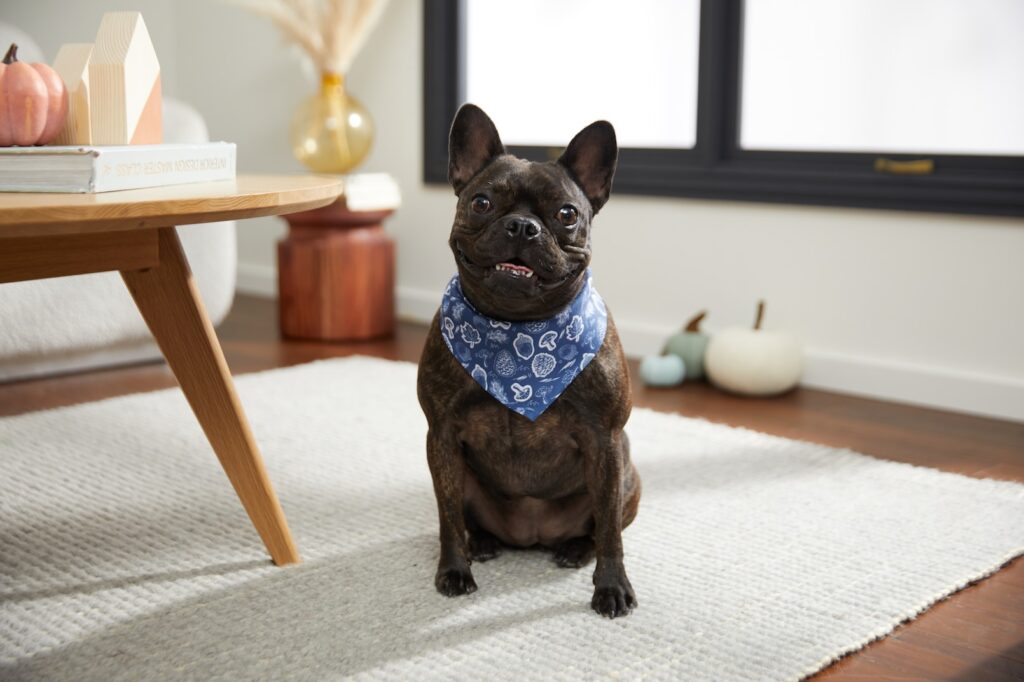
Photo by Chewy
French Bulldogs can be great apartment dogs. Their small size, moderate exercise needs, and generally quiet nature can make them a good match for pet parents who live in smaller spaces.
But apartment life comes with a few considerations for Frenchies, too. Here’s what to know before sharing an apartment with a French Bulldog.
Key Takeaways
- French Bulldogs are small, adaptable dogs who can do well in apartments and other small living spaces.
- Frenchies need regular exercise, but shorter walks and indoor play can help meet their needs.
- French Bulldogs generally aren’t known for excessive barking, which can be helpful when you share walls with neighbors.
- Because French Bulldogs are prone to back problems, pet parents may need to limit stairs and jumping.
- Every Frenchie is different, so talk to your veterinarian about the right exercise and daily routine for your dog.
Why French Bulldogs Make Great Apartment Dogs
Living in an apartment means considering your dog’s size, exercise needs, noise level, and comfort around other people and pets. French Bulldogs have several traits that can make apartment living a good fit.
Frenchies Are Small Dogs
French Bulldogs are compact dogs, typically weighing under 28 pounds. Their small size means they don’t need a sprawling home to have enough room to move around comfortably.
They can play with toys, sprawl out to relax, and spend time with their family without requiring a ton of square footage.
They Have a Moderate Energy Level
French Bulldogs can be playful, but they generally don’t need hours of intense exercise every day. Frenchies are brachycephalic dogs, meaning they have a short, flat face. This can make it harder for them to breathe, especially during strenuous exercise or in extreme weather.
Because of this, one or two neighborhood walks and some casual playtime should be enough to keep them happy. Your veterinarian can help you decide how much exercise is appropriate for your Frenchie.
Frenchies Aren’t Big Barkers
Apartment living often means thin walls and close neighbors. And while all dogs bark occasionally, French Bulldogs generally aren’t known for being especially noisy dogs.
That doesn’t mean a Frenchie will never bark. Individual dogs may bark when they’re excited, frightened, bored, or reacting to sounds in the hallway.
Positive-reinforcement training can help your Frenchie learn how to stay calm around everyday apartment noises. Giving your dog enough exercise, attention, and mental stimulation through play and interactive toys may also help prevent boredom-related behaviors.
Recommended Products


Frenchies Are Friendly
French Bulldogs are companion dogs who are known for their affectionate nature and even disposition.
With proper socialization and positive reinforcement, a Frenchie can learn how to calmly navigate the people, dogs, sounds, and other experiences that come with apartment life. This is particularly helpful when you’re sharing elevators, hallways, lobbies, and outdoor areas with neighbors.
However, breed alone can’t predict how an individual dog will behave. Introduce your Frenchie to new experiences at a pace comfortable for them, and don’t force interactions with strangers or other animals.
If your dog struggles with people, pets, or common apartment noises, talk to your veterinarian or a qualified positive-reinforcement dog trainer or behaviorist for personalized guidance.
Potential Drawbacks to French Bulldogs in Apartments
Frenchies have plenty of apartment-friendly qualities, but their physical needs can make some aspects of apartment life more challenging. Before bringing home a French Bulldog, consider your building’s layout and how easily you can get your dog outdoors.
Stairs Can Be Tricky
A third-floor walk-up might require more planning for a French Bulldog than an apartment with an elevator.
French Bulldogs are among the breeds predisposed to intervertebral disc disease (IVDD). IVDD involves early degenerative changes to the cushioning discs between the bones of the spine. When a damaged disc puts pressure on the spinal cord or nerves, a dog may experience pain, difficulty walking, and, in severe cases, paralysis and incontinence.
It’s important to limit repeated trips up and down stairs if your dog has developed symptoms associated with IVDD. If your apartment requires your Frenchie to regularly navigate stairs, ask your veterinarian about the safest approach for your individual dog.
Contact your veterinarian immediately if your Frenchie develops back or neck pain, becomes reluctant to move, has trouble walking, or suddenly seems unsteady.
Potty Training
Potty training can take patience with any puppy, and living several floors above the ground can add another step to the process. In an apartment, that can mean putting on a leash, walking down a hallway, waiting for an elevator, or taking stairs every time your puppy needs a bathroom break.
Recommended Products


Young puppies generally need frequent opportunities to go outside while they’re learning where to potty. Small dogs like Frenchies may need more frequent trips outside because their bladder is especially tiny, but potty-training aids can help.
Recommended Products



Ultimately, whether a French Bulldog is the right pup for you comes down to your own lifestyle, but many can fit comfortably into apartment life.
Attributions