Collie vs. Border Collie: What’s the Difference?


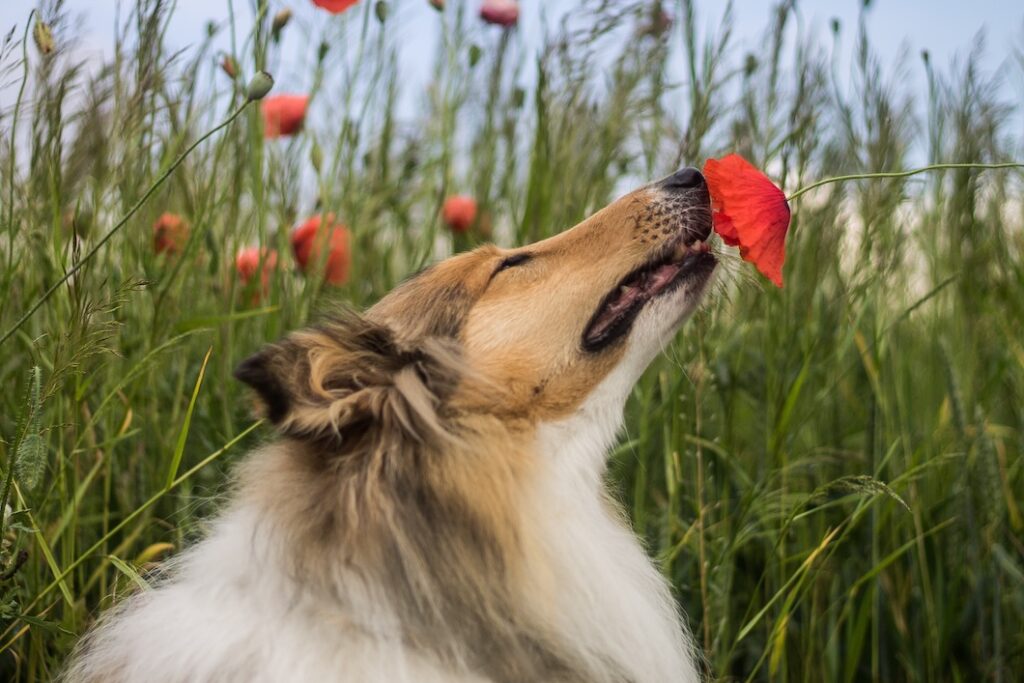
Photo by Adobe/Sabriel Smutný
With their herding histories, expressive faces, and impressive smarts, Collies and Border Collies have plenty in common. But despite their similar names, these are two distinct breeds—and their differences can be important when deciding which dog may best fit your lifestyle.
Key Takeaways
- Collies can be a good match for some first-time pet parents, while Border Collies tend to do best with experienced pet parents.
- Collies are larger, at 50–75 pounds, while Border Collies weigh 30–55 pounds.
- Both are energetic dogs; Border Collies need more daily exercise.
- Both breeds have double coats that shed year-round.
History
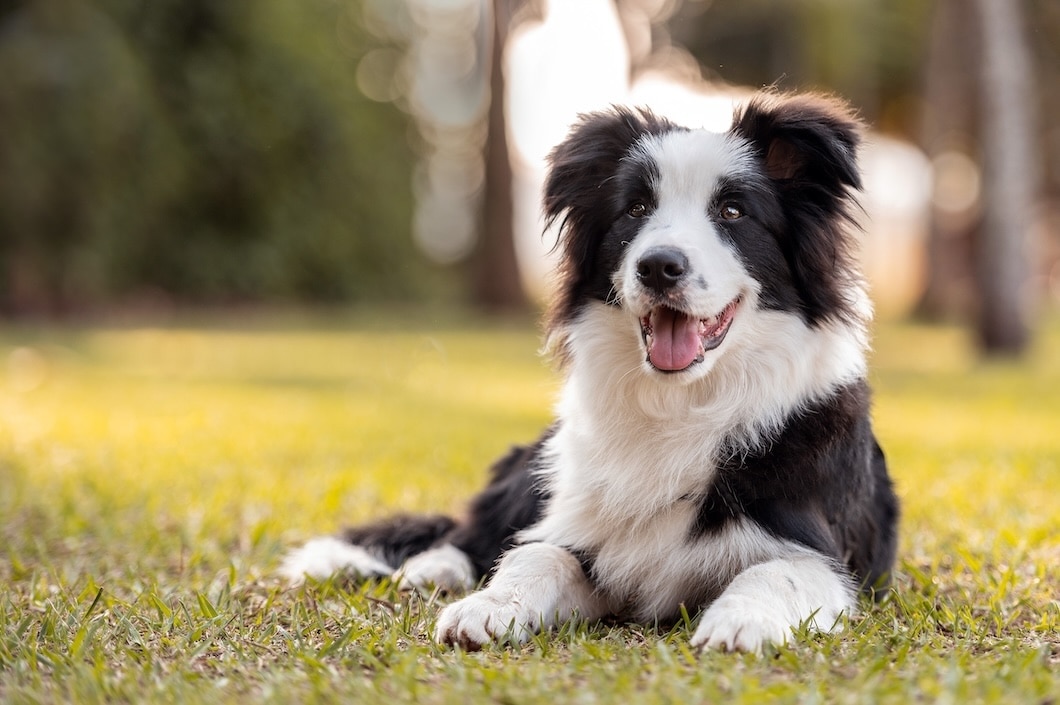
Photo by Elayne Massaini/iStock via Getty Images
Collies and Border Collies both have long histories as herding dogs, but they developed into distinct breeds.
Collies originated in Scotland, where they spent centuries helping farmers herd sheep. Queen Victoria became an admirer of the breed in the 1860s, helping Collies gain popularity as companion dogs. They arrived in the U.S. in the 1870s and later became pop-culture icons thanks in large part to “Lassie”—who was actually portrayed by nine different dogs across various films and television shows.
Border Collies are also from the United Kingdom—they developed in the countryside along the border of England and Scotland. Their sheep-herding heritage helped shape the breed’s intense focus, energy, and strong drive to work.
Their working roots still matter today. Both breeds need activities that engage their bodies and brains, though Border Collies generally have more demanding exercise and enrichment needs.
Appearance
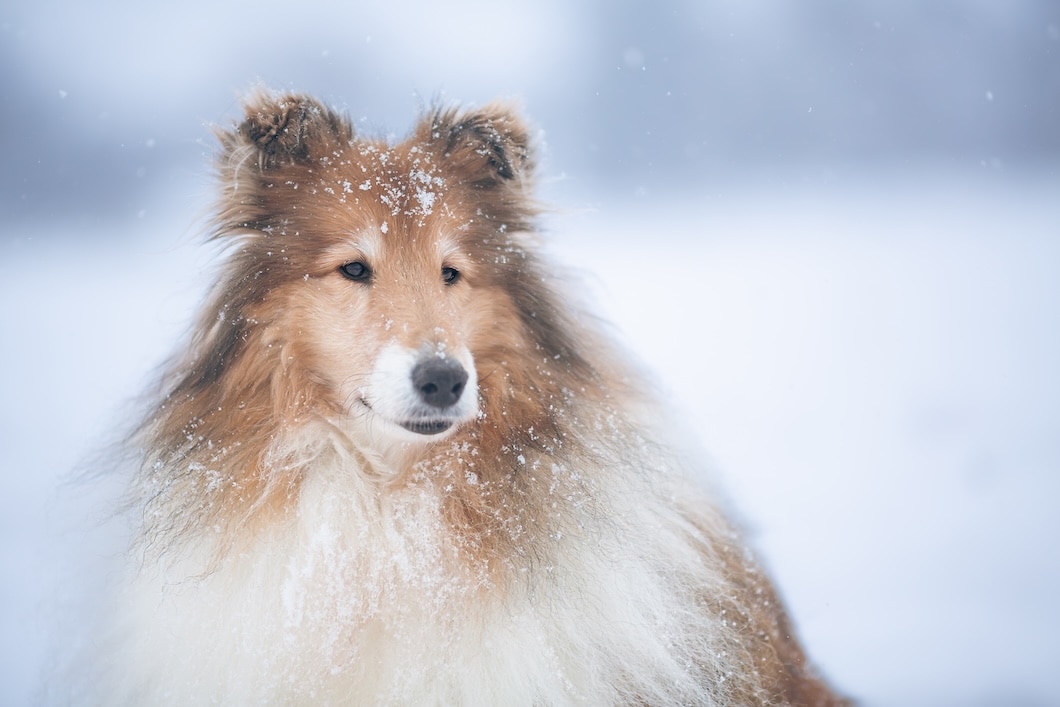
Photo by Kanashi/iStock via Getty Images
When a Collie and Border Collie are side by side, their size and head shape are two useful ways to tell them apart.
Size
- Collie: The larger of the two breeds, Collies stand 22–26 inches tall and weigh 50–75 pounds.
- Border Collie: Smaller overall, standing 18–22 inches tall and weighing 30–55 pounds.
Head
- Collie: Has a distinctive long, wedge-shaped head with a slender muzzle, almond-shaped eyes, and ears carried mostly upright with the tips folding forward.
- Border Collie: Features a broader, more moderately shaped head with a slightly tapered muzzle, oval eyes, and medium-sized ears that may be erect or semi-erect.
Coat and Colors
- Collie: Comes in two coat varieties: rough and smooth. Rough Collies have long, abundant outer coats, while smooth Collies have short, dense, flat coats. Colors include sable and white, tricolor, blue merle, and white.
- Border Collie: Also comes in two coat varieties: a rough, medium-length coat and a smooth, short coat. The most common colors are black and white, but they can also have blue, red, sable, merle, brindle, and gold coats.
Personality
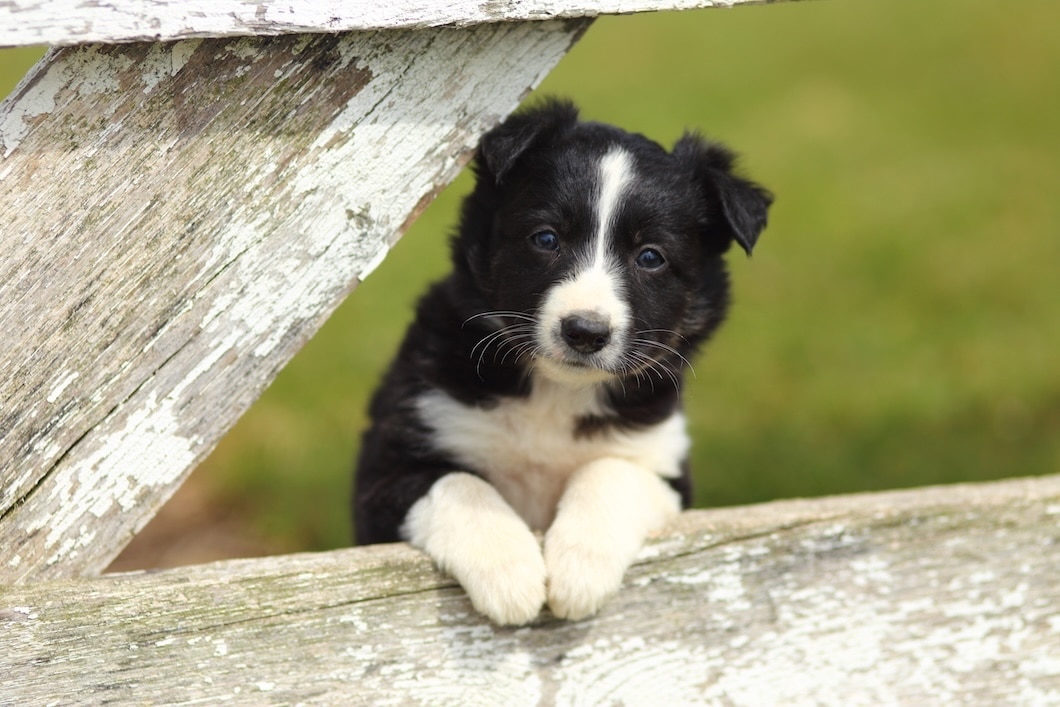
Photo by JLSnader/iStock via Getty Images
Collies tend to be outgoing, friendly dogs who enjoy spending time with their family and meeting new people. They’re active and intelligent but can also have an easygoing side. They may become more vocal when they’re bored or haven’t had enough physical or mental activity.
Border Collies are also affectionate and people-oriented, but they typically thrive when they have plenty to do. Routine, training, games, toys, and other purposeful activities can help keep their busy brains occupied.
Recommended Products


Their herding heritage can also show up in everyday life, and both breeds may try to herd other pets or people. Early socialization and positive reinforcement training, along with making sure your dog doesn’t become bored, can help curb this behavior.
Remember, though, that breed alone doesn’t determine behavior. Every dog is an individual, and factors including genetics, socialization, training, environment, health, and life experiences help shape who they become.
Exercise Needs
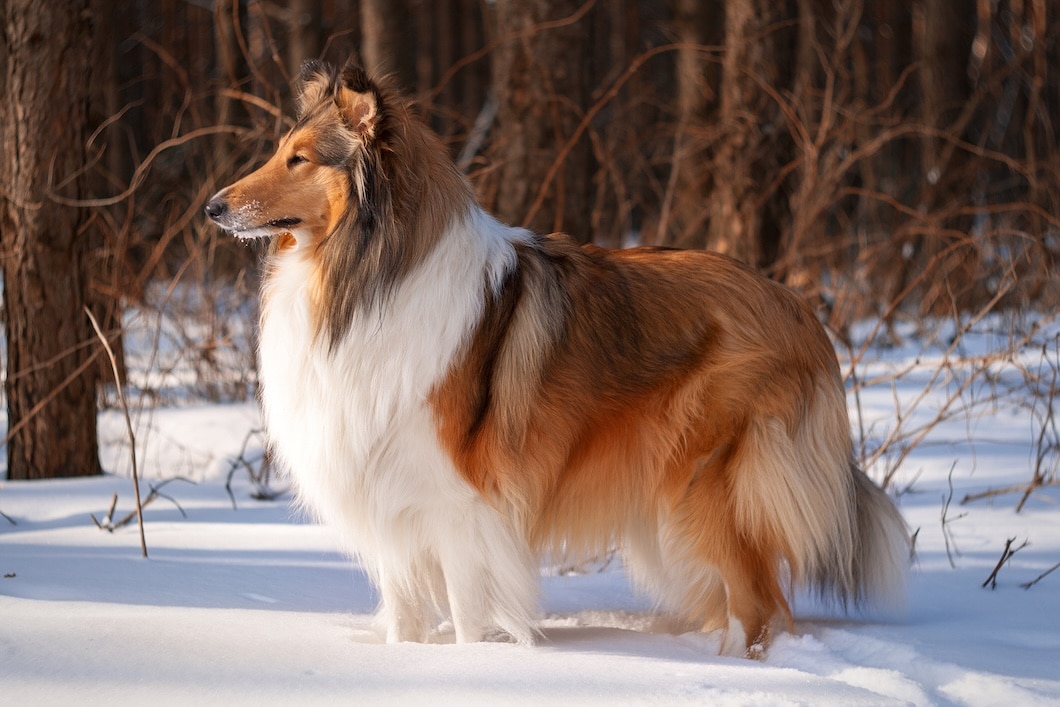
Photo by Adobe/eugenegg
Neither of these breeds is a couch potato, but Border Collies generally require a bigger daily exercise commitment.
Collies need at least one hour of exercise each day. Daily walks and jogs can help them burn energy, while retrieving games, interactive toys, and agility (yes, at home works!) can provide mental stimulation, too.
Recommended Products

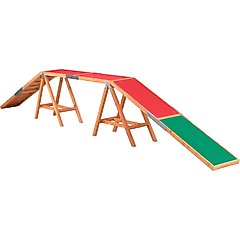
Border Collies need a solid one to two hours of exercise every day. Long walks, running, playing fetch, scent walks, and agility are all activities that can put their athleticism to good use.
Both dogs also need dedicated playtime and interaction with their people rather than simply being given space to entertain themselves with their own to-do list, like chewing socks or digging holes.
Grooming
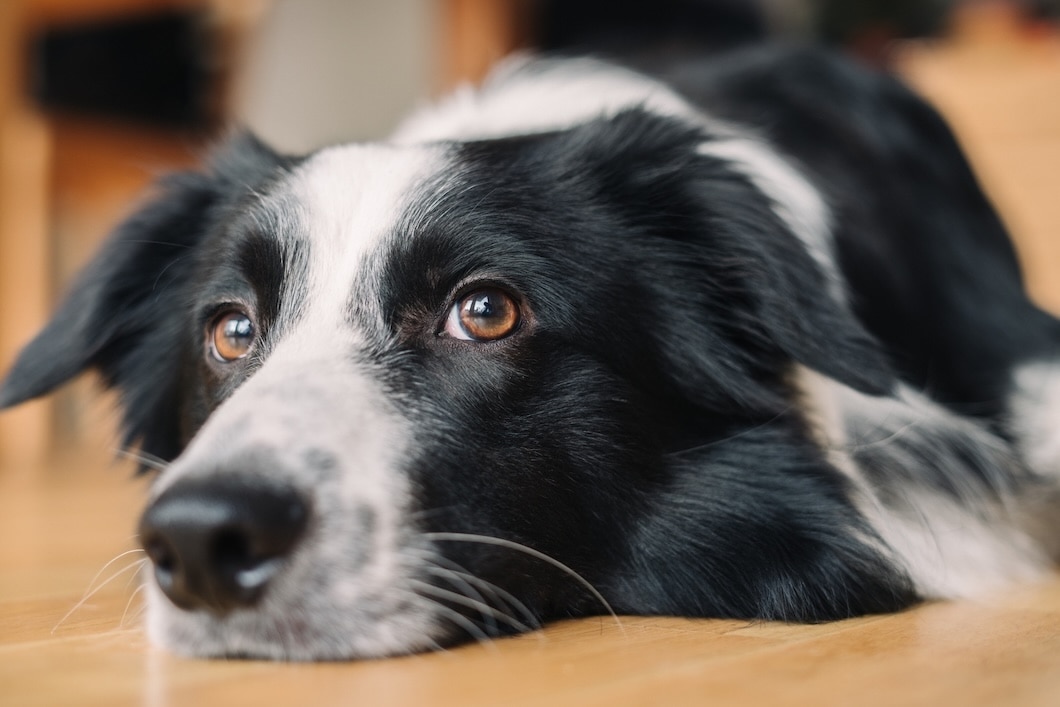
Photo by Xsandra/iStock via Getty Images
Both Collies and Border Collies have double coats, so pet parents should be ready for shedding and regular brushing.
A Collie’s grooming routine depends on whether you have a rough or smooth Collie:
- Rough Collies should be brushed a few times each week to remove loose hair and prevent tangles. Use a slicker brush, pin brush, and comb to work through their long double coat.
Recommended Products
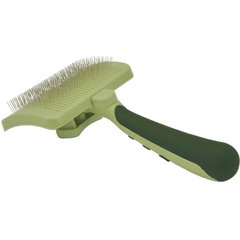

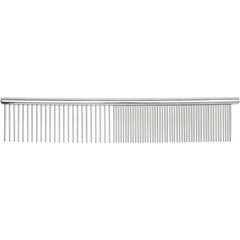
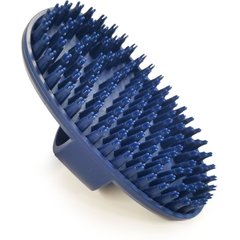
- Smooth Collies have lower-maintenance coats that generally need brushing about once a week. Rubber curry combs and slicker brushes work best for their short fur.
Recommended Products

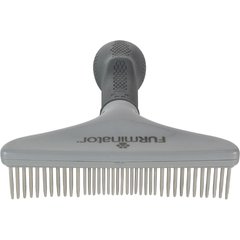
Border Collies also need to be brushed a few times a week. A slicker brush works well for smooth-coated Border Collies, and adding an undercoat rake will ensure that all layers of a rough-coated dog’s coat are cared for.
Recommended Product
Both breeds shed throughout the year, with heavier shedding typically occurring in spring and fall (during which time you may want to have a good pet hair vacuum on hand). You’ll need to brush your dog more frequently during this time.
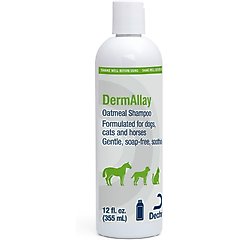
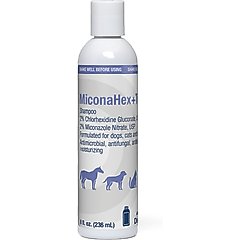
They generally only need baths when they get dirty. Make sure to only use a dog-safe shampoo.
Recommended Products
Routine care for both breeds should also include nail trims, dental care, and attention to their ears.
Recommended Products


Health
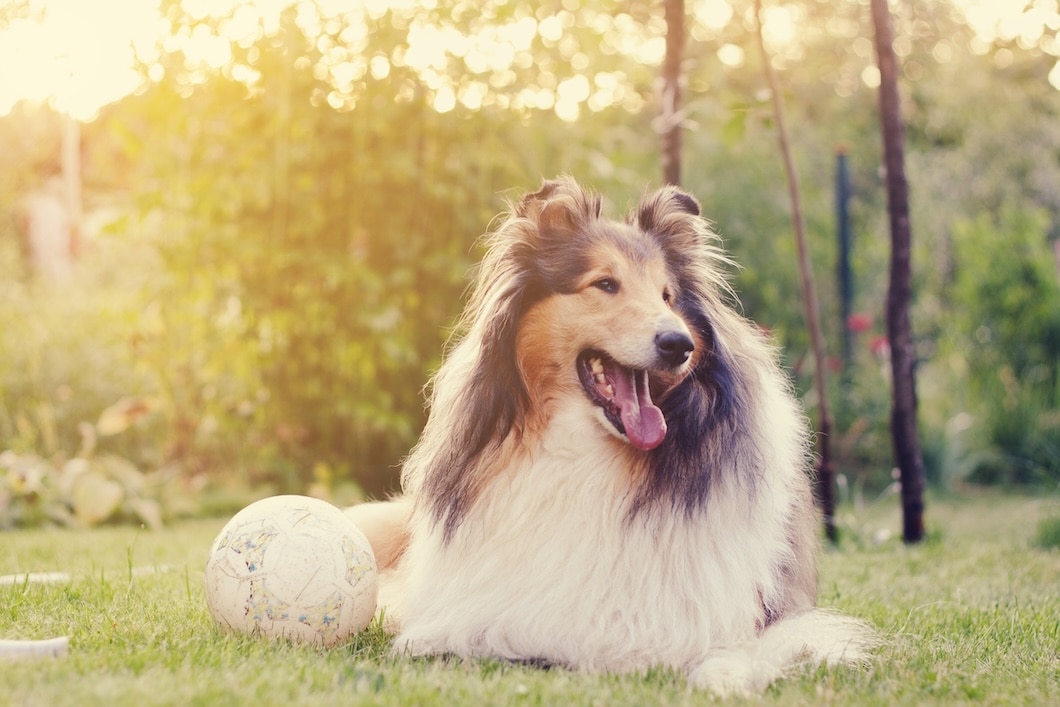
Photo by Adobe/eugenegg
Both breeds have average lifespans extending into their teens. Collies typically live 12–14 years, while Border Collies typically live 12–15 years.
Health conditions associated with both breeds include:
- Collie eye anomaly (CEA)
- Progressive retinal atrophy (PRA)
- Hip dysplasia
- Epilepsy
- Congenital deafness
- Multidrug resistance mutation (MDR1), especially in Collies
Health conditions associated with Collies include:
- Bloat and gastric dilatation-volvulus (GDV)
- Immune-related skin conditions, including dermatomyositis and discoid lupus erythematosus
Health conditions associated with Border Collies include:
- Border Collie collapse (BCC)
- Neuronal ceroid lipofuscinosis (CL)
- Trapped neutrophil syndrome (TNS)
This is not a complete list of all the health problems these breeds can develop. Genetic screening can help identify certain heritable risks.
Recommended Product

Regular veterinary checkups are also an important part of keeping either breed healthy. Ask your veterinarian which screenings and preventive care are appropriate for your individual dog. Both dogs have breed-associated health considerations, but an individual dog’s health depends on many factors beyond breed.
Which Is the Breed for You?
| Breed | Size | Lifespan | Exercise Needs | Grooming Needs | Health Considerations |
|---|---|---|---|---|---|
| Collie | 22–26 inches; 50–75 pounds | 12–14 years | At least 1 hour daily | Rough coat: Brush a few times weekly; smooth coat: Brush about weekly | Average |
| Border Collie | 18–22 inches; 30–55 pounds | 12–15 years | 1–2 hours daily | Brush every few days; daily during heavier seasonal shedding | Average |
Both Collies and Border Collies are smart, active herding dogs who need exercise, mental stimulation, and companionship to live their fullest lives.
Collies tend to be more easygoing, making them a good fit for active families and first-time pet parents. High-energy Border Collies do best with experienced pet parents who can provide plenty of exercise, training, and brain games.
Whichever breed you choose, always consider the individual dog’s personality and care needs to find the right fit for your lifestyle.
Attributions