Why Do Dogs Like To Carry Sticks? Is This Normal?


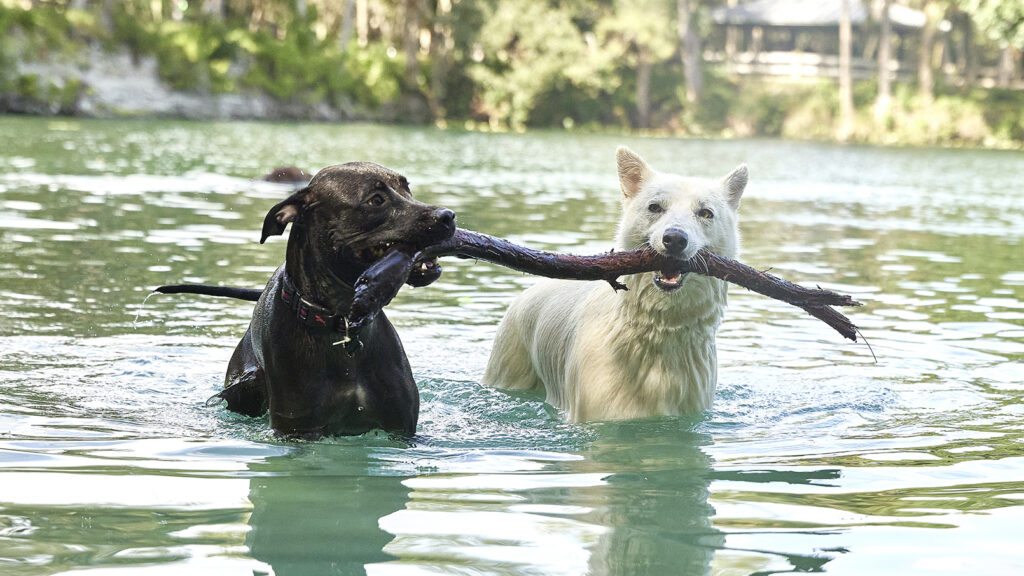
Photo by Chewy
Q: My pup loves to look for sticks on our walks and carry them all the way home—big sticks, small sticks, literally any sticks he can find. I like to call him my branch manager! I can’t help but wonder, why do dogs carry sticks? Is this normal?
A: Yes! Carrying a stick is completely normal behavior in dogs. Dogs usually carry sticks because they appeal to their instincts and senses, give them a feeling of accomplishment, and are just plain fun.
We talked to experts to learn more about this inquisitive and natural behavior, including why dogs like to carry sticks, if it’s safe, and when to intervene.
Key Takeaways
- Dogs carrying sticks is instinctual, like retrieving, exploring with their mouths, and seeking enrichment—especially during play or outdoor adventures.
- Stick chewing and carrying can be risky, as splinters, choking, or intestinal blockages may occur if pieces are swallowed.
- Redirection is recommended if your dog begins chewing aggressively, trying to ingest stick fragments, or guarding sticks.
- Call your veterinarian or a certified dog trainer if stick-focused behavior is obsessive, unsafe, or linked to anxiety.
Why Do Dogs Carry Sticks?
Stick carrying taps into their instincts and curiosity. In most cases, it’s a normal expression of canine play and exploration, and not a sign that something is wrong, says Christopher Pachel, DVM, DACVB, CABC, board-certified veterinary behaviorist, owner, and lead clinician at the Animal Behavior Clinic in Portland, Oregon.
Here are some common reasons why dogs carry sticks.
They’re Acting on Instinct
Stick carrying often stems from a dog’s natural retrieving instinct, and holding an object like a stick can feel rewarding because it mimics carrying prey, says Sabrina Kong, DVM, veterinary consultant at WeLoveDoodles.com and certified canine rehabilitation practitioner in Tracy, California.
Dr. Pachel says retriever, herding, or sporting breeds may be especially drawn to carrying objects due to their working history.
They’re Performing a Reinforced Behavior
Do you praise your pooch when they carry sticks they discover on your casual strolls and outdoor adventures together? If so, not only have they picked up sticks, but they also picked up on your reaction to this behavior.
“Many dogs learn early that carrying a stick gets attention, laughter, or engagement from their humans, which can unintentionally reinforce the behavior,” Dr. Pachel says.
They’re Seeking Enrichment or Comfort
No matter whether it’s a new toy, your dirty socks, or—you guessed it—sticks from your backyard, dogs tend to explore whatever they find fun, tasty, or interesting with their mouths.
The scent and texture of wood can be especially appealing, and chewing may feel rewarding or soothing. In fact, Dr. Kong and Dr. Pachel say chewing can help relieve discomfort for teething puppies and may have a calming effect in stimulating outdoor environments.
If your furry friend likes to chew, pet parents should redirect their dog or puppy from chewing on sticks to a more appropriate dog chew toy. (Read more on how to do that below.)
Recommended Products


They’re Exploring or Playing
Dr. Kong says carrying sticks can be a simple play solicitation. So, when you see your furry friend romping toward you with a stick in their mouth, this can be their way of saying, “Hey, hooman, I want to play a game of tug or chase!”
Additionally, Dr. Pachel says stick carrying is often correlated with outdoor activity, exploration, and heightened arousal or excitement.
They’re Copying Other Dogs
While some dogs genuinely love sticks, others might engage in this behavior if they see all the cool canines doing it. (Yes, really!)
“Dogs may be more likely to carry sticks if other dogs around them are doing the same thing,” Dr. Pachel says.
What Should I Do About Their Stick-Carrying Behavior?
In many cases, Dr. Pachel says stick carrying doesn’t need to be corrected at all. However, this behavior does require careful supervision and redirection if it becomes unsafe or problematic.
Stick carrying can be risky, because wood can splinter or break apart, leading to injury or digestive issues. Our experts say some risks associated with stick carrying include:
- Ingestion
- Splintering
- Gastrointestinal (GI) upset
- Intestinal irritation
- Obstruction
- Perforation
- Oral or facial injury, especially if your dog is running or playing with a long stick
- Potential injury to others if your dog swings or collides with the stick
It’s best to redirect stick-carrying behavior if your dog is showing signs, such as:
- Chewing aggressively on sticks
- Trying to ingest stick pieces
- Resource guarding sticks
- Competitive or conflict-based behavior around sticks with other dogs
Ultimately, you want to guide your dog toward safer choices without creating stress, frustration, or conflict around possession of items, Dr. Pachel says. To accomplish this, try these expert-recommended tips on how to redirect your dog’s stick carrying when necessary:
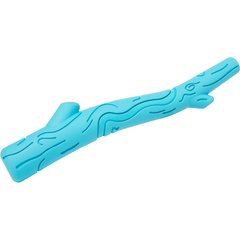
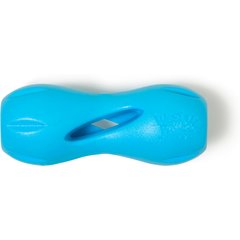
- Immediately trade the stick for a high-value, safe item, like a toy designed for carrying or chewing. Some options to try are the Frisco rubber stick dog toy and the West Paw Qwizl chew toy.
Recommended Products
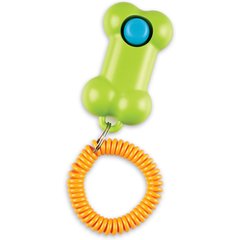
- Teach and reward cues like “drop it” or “leave it” in low-stress contexts for essential safety before relying on them outdoors. Pair a clicker, such as the Brightkins training clicker, with training treats.
Recommended Products

- Reinforce voluntary relinquishment by rewarding your dog for choosing to drop or leave the stick. You can reward your four-legged friend with praise, playtime, or dog treats.
Recommended Products


When To Reach Out to a Professional
Nothing makes us happier than seeing our dogs’ tails wag and eyes light up over the simple joys in life, like sticks. However, there are times when it may be worth contacting an expert about your pooch’s stick fascination.
Dr. Kong advises consulting a certified trainer or veterinary behaviorist if you notice these signs in your dog:
- Fixating on sticks in an obsessive manner
- Ignoring all other toys
- Searching for sticks constantly
- Becoming anxious or distressed when prevented from having a stick
These signs could indicate an underlying compulsive disorder that requires professional assessment, Dr. Kong says. A trainer would address this behavior by:
- Focusing on management and safety, advising pet parents to remove access to sticks when unsupervised.
- Working on reinforcing alternative behaviors, such as teaching the dog to carry and play with an appropriate toy instead. Reinforcement involves using high-value rewards to make the safe toy more appealing than the stick.
Recommended Product

3. Strengthening impulse control cues, like “leave it,” and practicing these skills in low-distraction environments before generalizing them to walks where sticks are abundant.
“The goal is to replace the risky behavior with a safe, equally satisfying one—not to punish the dog’s natural instinct,” she says.
FAQs About Dogs and Sticks
Why do dogs eat sticks?
Dogs can eat sticks for several reasons, such as hunger, nutritional imbalances, pica, or underlying GI discomfort or disease, accidental reinforcement, or normal exploratory behavior, Dr. Pachel says.
Why do dogs bring in sticks?
Dogs bring in sticks primarily because of their instinctive drive. They may engage in this behavior because it is enriching and/or rewarding.
Is it safe for dogs to eat sticks?
No, it generally isn’t safe for dogs to eat sticks, despite how much they might love them. Eating sticks can lead to mouth injuries, intestinal irritation, obstruction, or perforation, Dr. Pachel says.
When are sticks considered dangerous for dogs?
Dr. Kong says sticks are considered dangerous for dogs when they splinter, as sharp pieces can cause oral injuries, become lodged in the esophagus or stomach, or cause intestinal blockages or perforations if swallowed.
Attributions