Why Your Old Dog Won’t Sleep at Night (And How To Help)


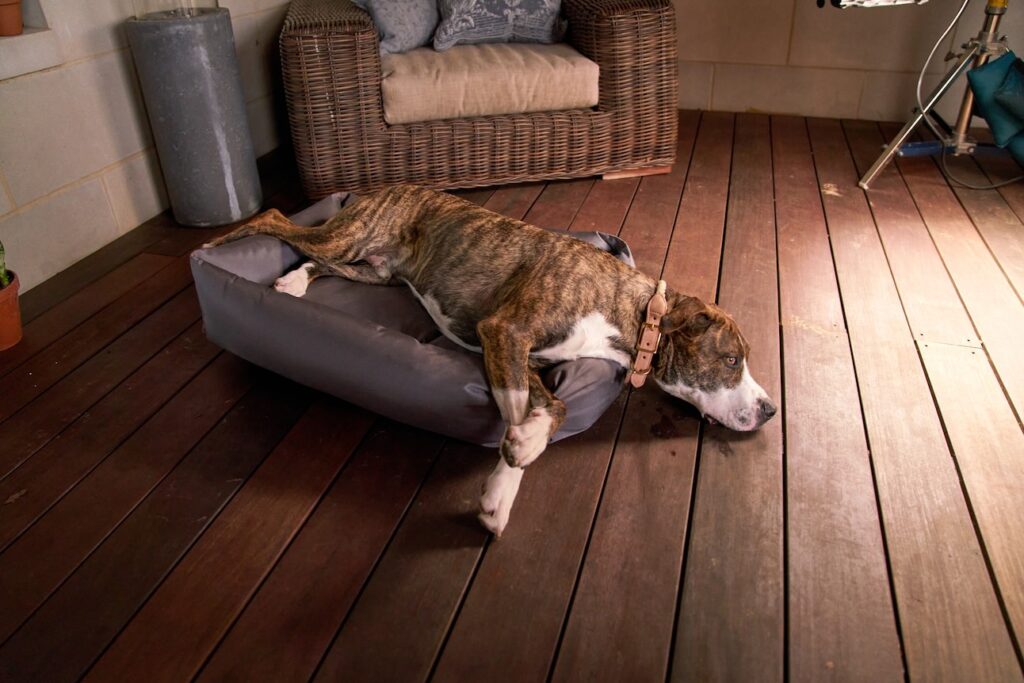
Photo by Chewy
If your old dog won’t sleep at night, it may be indicative of some underlying health problems. The good news is that there are solutions that can help some senior dogs get the rest they need.
Key Takeaways
- Senior dogs may wake up at night due to medical conditions, like canine cognitive dysfunction, pain, or anxiety.
- Canine cognitive dysfunction can cause nighttime restlessness, confusion, house soiling, and other behavior changes.
- Environmental changes, reduced exercise, and increased stress can also cause nighttime restlessness in older dogs.
- All sudden behavioral changes in your dog should be assessed by your veterinarian.
Why an Old Dog Won’t Sleep at Night
There are a few reasons why a senior dog might not be sleeping well at night, including:
- Canine cognitive dysfunction (CCD), also known as canine dementia
- Pain
- Anxiety
- Seizures
- Needing to go outside
- Environmental factors
- Nightmares
- Learned behavior
Because sleep disruptions can be caused by medical issues, always speak with your veterinarian if your pet isn’t sleeping well at night.
Canine Dementia
As dogs get older, they have an increased risk of canine cognitive dysfunction (CCD), says Nicholas Dodman, BVMS, MRCVS, DACVB, program director in the Cummings Veterinary Medical Center at Tufts University.
Because there’s no test for CCD, diagnosis can be tricky. Essentially, it’s a diagnosis of exclusion—when other causes have been ruled out, Dr. Dodman says. A trip to your vet can help determine if CCD is the cause of your dog’s insomnia and rule out other culprits.
Symptoms of canine dementia that affect sleep include restlessness, disorientation, and confusion. There may be indicators during the day, too, including house soiling, increased anxiety, reduced appetite, weight loss, loss of learned behaviors, and lack of energy.
Unfortunately, there is no cure for CCD, but your veterinarian can recommend the best ways to manage the condition.
Pain
Another possible reason for why a senior pup is restless at night is arthritis and pain, especially due to cancer in dogs, which Dr. Dodman says is the most common cause of death in older dogs.
And if a dog is in pain, that pain can be worse at night because there are no distractions, Dr. Dodman says.
Anxiety and Fear
Dogs who cannot sleep at night because of fear and anxiety may display signs like hiding, seeking attention, enlarged pupils, whale eye (where the whites of the dog’s eyes are visible), tucked tails, and drooling.
Seizures
Sleeplessness may also be caused by neurological problems like seizures in dogs.
“Seizures are not as well suppressed as they are during the day, and are especially common in old dogs,” Dr. Dodman says.
Needing To Go Outside
Older dogs with medical problems that increase their need to urinate and defecate may not be able to make it through the night without having to relieve themselves.
Environmental Causes
Any change in an adult dog’s behavior is cause for concern, says Pat Miller, CBCC-KA, CPDT-KA, director of Peaceable Paws Dog and Puppy Training in Fairplay, Maryland. Always discuss behavioral changes with your vet.
But sometimes, instead of a medical cause for dog insomnia, there could be external factors causing the sleeplessness that can be easily resolved.
If your senior dog is restless at night, consider any external changes that have occurred, including:
- Changes in the household routine
- Outside noises that may be disturbing your dog
- New household members
- Reduction in your dog’s daily exercise/activity level
- Temperatures that are hotter or colder than normal
Nightmares
Something else that can affect a dog’s sleep at any age is nightmares. Dr. Dodman says electroencephalograms (EEGs) demonstrate brainwave activity increases during rapid eye movement (REM) sleep, the dreaming phase of sleep.
Dogs with the condition REM behavior disorder (RBD) physically act out what’s going on, instead of dreaming quietly, displaying the symptoms you would expect of a nightmare. Behaviors typically seen with REM sleep behavior disorders include sudden leg movements, growling, barking, and biting during sleep.
If you notice your dog having nightmares regularly, speak with a veterinarian or veterinary behaviorist. It’s also important to have a veterinarian rule out seizures because signs can look similar.
Learned Behavior
It’s also possible for pet parents to inadvertently reinforce their dog waking up at night. If you regularly give your pup attention or treats in the middle of the night, they can learn that waking up has its benefits.
How To Treat Dog Insomnia and Help Your Senior Pet Sleep at Night
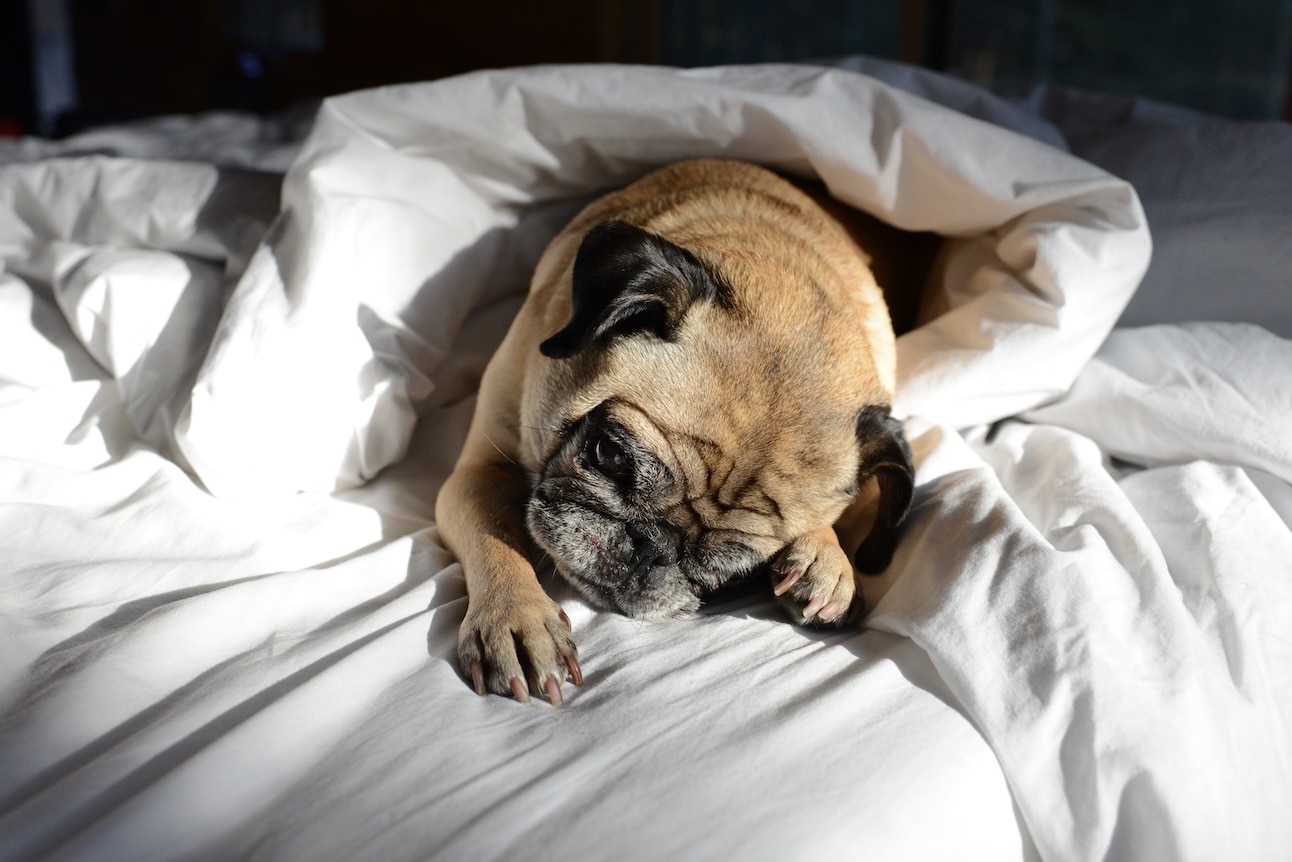
Photo by Chewy
If your old dog won’t sleep at night, your veterinarian can help get to the root of the issue.
“Senior dogs should be getting at least an annual senior well-pet check-up, if not twice a year,” Miller says. “And if any significant behavior changes occur between visits, a conversation with the vet is always warranted.”
Prescription Treatments
For certain causes, your vet might prescribe medications to help your dog. For example, selegiline hydrochloride capsules can help a dog with CCD.
Recommended Product

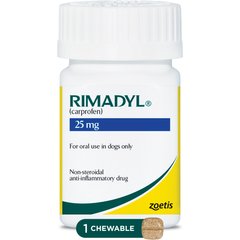
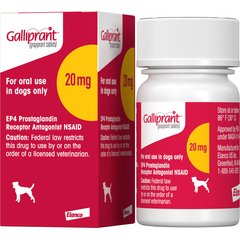
If your primary veterinarian identifies pain on physical exam, they may recommend prescription pain medication, such as Rimadyl or Galliprant, to help your dog to rest easier at night.
Recommended Products
Holistic Treatments
Huperzine-A is an herbal extract of firmoss used to help some people with Alzheimer’s, and can potentially be used to treat cognitive dysfunction and seizures in dogs, per a study by the Cummings School of Veterinary Medicine.
Always consult your veterinarian to get the proper dosage and discuss side effects.
For dogs with dementia, senior dog foods high in omega fatty acids and antioxidants, like Purina Pro Plan Veterinary Diets Neurocare, can help reduce inflammation and oxidative damage in the brain.
Recommended Product

Nighttime Routines
If you and your vet determine the cause to be environmentally based, try to establish a nighttime routine for your dog.
“Dogs love routine, some dogs more than others,” says Janet Tobiassen Crosby, DVM. In conjunction to your own schedule, “provide structure [to establish a nighttime routine] once possible medical problems have been ruled out.”
Calming Products
Calming aids like pheromone diffusers and supplements like Purina Pro Plan Calming Care can also help older dogs sleep at night.
Recommended Product

“I am a big fan of the Adaptil collar for dogs who may be anxious with a schedule disruption, thunder, travel, or other stresses,” Dr. Crosby says.
Recommended Product

The collar releases a calming pheromone, formerly called dog-appeasing pheromone (DAP), which can help ease a stressed-out pup suffering from environmentally based nighttime restlessness.
You can also attempt to counter outdoor noises by utilizing a white noise machine, Miller says.
Recommended Product

Exercise
Increasing exercise may also help a dog sleep, but Miller warns that pet parents must check with their veterinarian before increasing exercise for a senior dog.
If physical exercise is not recommended due to other health conditions, mental enrichment can also help to release stress and tire out your dog. Lick mats and dog puzzle toys are good examples.
Recommended Products


When To Go to the Vet
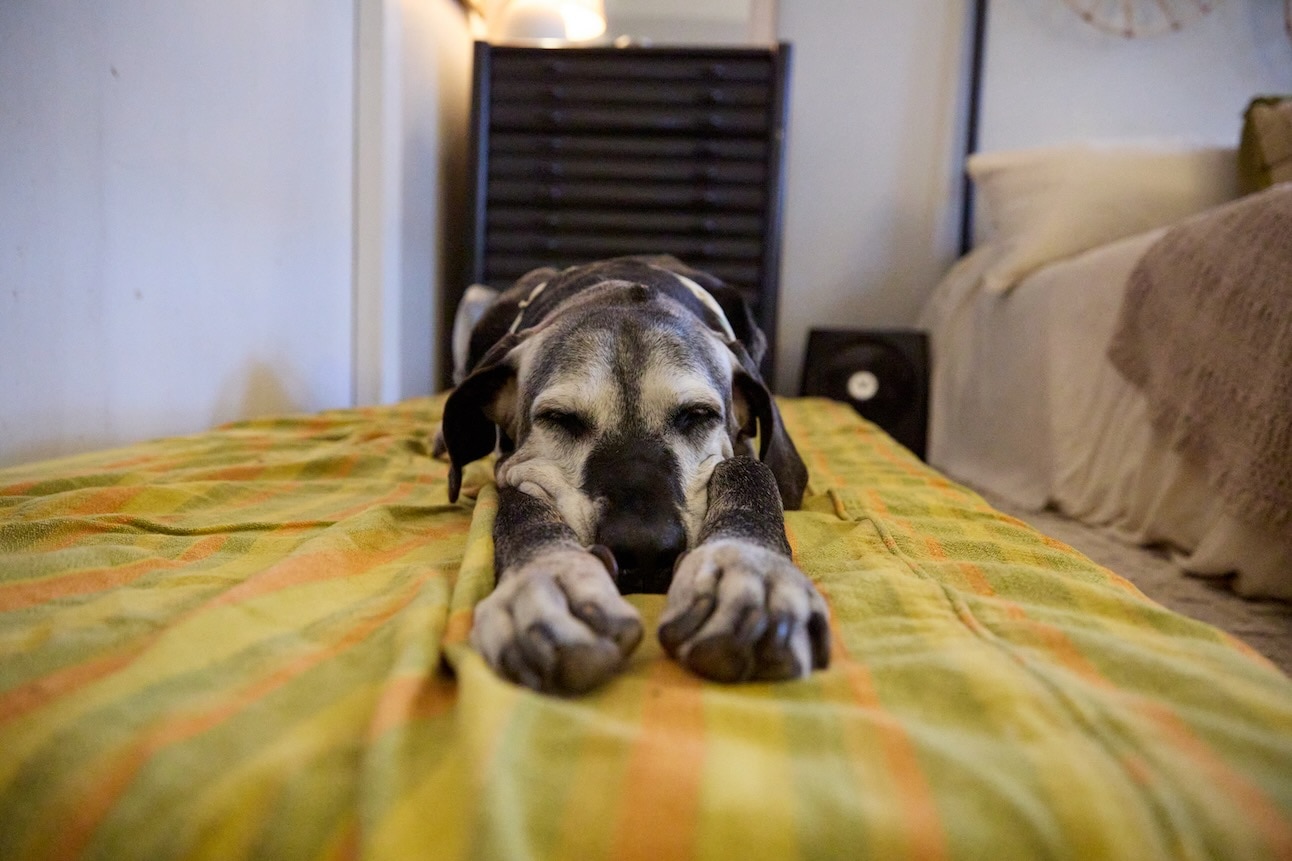
Photo by Chewy
“All dogs, but especially senior dogs who experience a change in sleep behavior, specifically waking up at night, should be examined by their veterinarian sooner rather than later,” says Crosby. “I would check in with your vet after a night or two of disrupted sleep, depending on how upset your dog is and other signs seen.”
FAQs About Why Old Dogs Won’t Sleep at Night
Can senior dogs have sleep apnea?
Sleep apnea is unlikely to be the reason why your senior dog can’t sleep at night.
However, sleep apnea does occur in brachycephalic dogs—that is, dog breeds with flat faces, like Pugs and Shih Tzu—at any age, especially if they’re overweight, Dr. Dodman says.
Possible signs of sleep apnea in dogs include snoring, suddenly waking up to gasp for air, and daytime fatigue.
Why is my senior dog restless at night?
Nighttime restlessness in older dogs can have several causes including canine cognitive dysfunction and other neurologic problems, pain, anxiety, needing to go outside, environmental factors, and learned behavior. Talk to your veterinarian if your senior dog is having trouble sleeping through the night.
What are the first signs of dementia in a dog?
Pet parents often first notice signs like disorientation, altered sleep patterns, changes in behavior (becoming clingy or withdrawn, for example), and loss of potty training when their dogs develop dementia (canine cognitive dysfunction).
Attributions