9 Gross Things Your Dog Does (And Why)

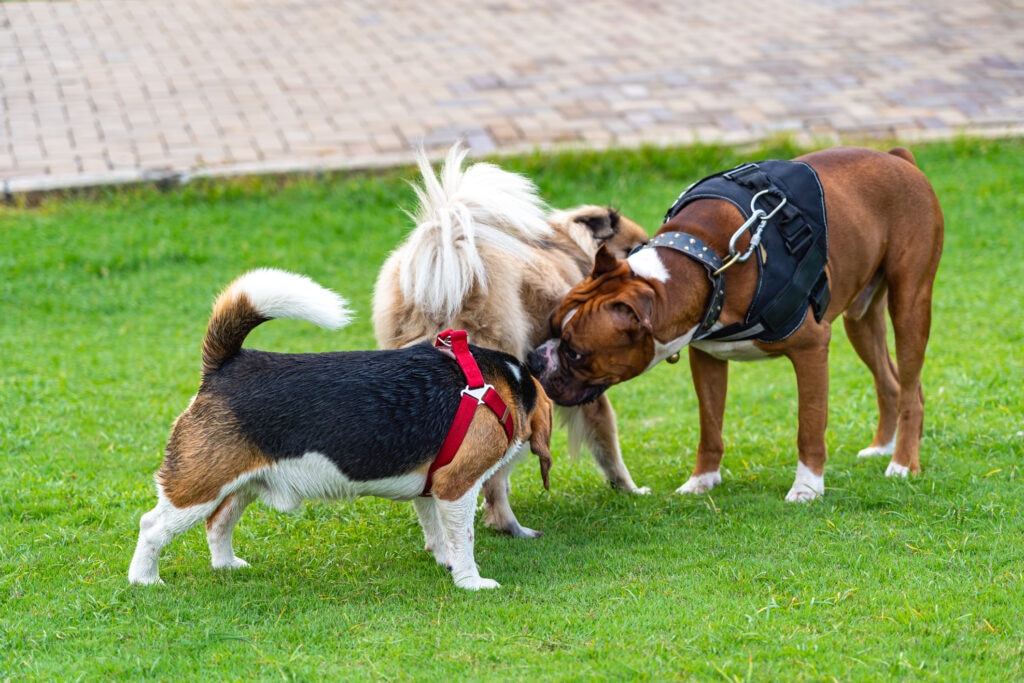
Photo by SamuelBrownNG via iStock / Getty Images Plus
As cute as they can be, dogs are prone to doing awkward, downright gross stuff. When you catch your pup eating their own poop or sniffing your crotch, you’re probably wondering: “Why do they do this?”
Here are some examples of gross behaviors your dog has probably engaged in—and why they happen.
Key Takeaways
- Dogs often engage in behaviors that seem gross to humans, but many are completely normal.
- Many “gross” dog behaviors are ways dogs gather information, play, or express excitement.
- Management strategies like supervision, positive reinforcement training, and restricting access can reduce unwanted behaviors.
- Talk to your vet if you have any concerns about your dog’s behavior.
1. Rolling in Poop
Dogs rolling in poop is most likely an evolutionary behavior, says Zazie Todd, PhD, animal behaviorist and author of “Bark! The Science of Helping Your Anxious, Fearful, or Reactive Dog.” But the exact reason why dogs do this isn’t fully understood.
“One idea is that the scent provides some kind of camouflage,” Todd says. Other theories of why dogs roll in poop include:
- To communicate where they’ve been
- To mask their scent from prey
- To create a shared scent (such as when a pack of wolves all roll in poop together)
- Simply because it’s fun for them
While you can’t completely prevent your dog from rolling in poop, close supervision during walks and outdoor play can help you redirect your pup before it’s too late.
2. Sniffing Each Other’s Butts
Dogs navigate the world through their sense of smell. A dog’s nose can have up to 300 million olfactory receptors, depending on the breed. Humans, by comparison, have about 400.
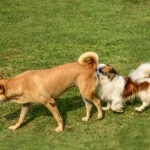
Sniffing other dogs’ butts is a normal behavior when greeting each other. Through this, dogs gather information about the other dog from their scent, including their stress levels, sex, and hormones.
3. Sniffing Crotches
The same goes for sniffing people.
Crotch-sniffing is a normal dog behavior in which a pup gathers information about a person. But if your dog is sniffing a crotch for an extended period of time, they might be seeking attention, and you can correct the behavior.
“One thing you can do is teach your dog to greet people politely using positive reinforcement,” Todd says. “For example, you could train them to sit or to sniff the person’s hand instead.”
4. Eating Their Own Vomit
Dogs eat their own vomit because, to them, it might still smell and taste like food, says Stephanie Borns-Weil, DVM, assistant clinical professor at the Department of Clinical Sciences at Cummings School of Veterinary Medicine at Tufts University.
“Dogs are scavengers by nature as a species and are not as sensitive to odors we associate with refuse or decay,” she says. “There is little difference to them between what was in their bowl and what they regurgitate.”
If your dog throws up, clean it up ASAP and teach them a cue to leave it alone.
5. Drinking From the Toilet
Toilet water isn’t appealing to humans for obvious reasons. But for dogs, it can seem fresh, cool, and easy to access.
“Every time [the toilet] is flushed, the bowl fills with fresh water. Their regular water bowl is stale by comparison,” Dr. Borns-Weil says. And while it’s not necessarily dangerous for dogs to drink from the toilet, it’s not exactly a behavior you want to encourage.
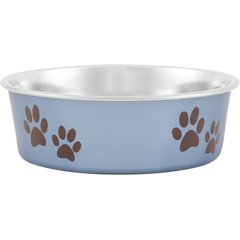
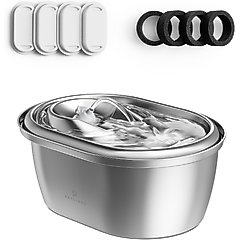
To prevent this, keep the toilet lid closed and make sure your pup always has access to fresh, clean water in their dog bowl or fountain.
Recommended Products
Excessive drinking or seeking water from unusual sources (like the toilet) can also be a sign of a medical issue, like diabetes, urinary tract infections, or kidney disease.
Talk to your vet if you notice changes in your dog’s drinking.
6. Eating Poop
Eating poop—also known as coprophagia—is another gross but common dog behavior.
Mother dogs naturally eat their newborn puppies’ waste, but this typically stops as puppies grow.
In adult dogs, poop may taste appealing because it can contain protein or fat, Dr. Borns-Weil says. Other causes include dietary deficiencies, boredom, attention-seeking, or simply because they’re curious and exploring their surroundings.
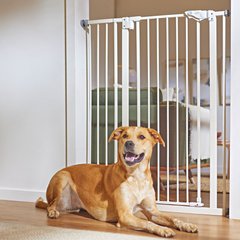
The best way to stop this habit is with management. “Pick up their poop right away, and if you have a cat, keep the cat litter boxes in locations where they are out of reach of the dog,” Todd says. A dog gate can prove useful here.
Recommended Products

7. Humping
While seeing your dog hump another dog, a favorite toy, or another person can be embarrassing, it’s a completely normal behavior.
“Dogs can hump in play or because of excitement,” says Todd. This is another behavior that can be redirected with patience and positive reinforcement.
8. Scooting
It may look funny, but scooting is often a sign that something is irritating your dog’s rear, Todd says.
Scooting helps relieve itching or discomfort and may indicate skin irritation, anal gland problems, parasites, or issues with poop.
“[Scooting] is a sign of itching or pain around the anus, most commonly caused by impacted anal glands, but can be caused by other problems as well,” says Dr. Borns-Weil. “If it persists, the dog should be seen by their veterinarian.”
9. Licking Their Genitals
Licking the genital area is a normal part of canine grooming, Dr. Borns-Weil says. However, if the licking is excessive, it may signal an underlying medical issue.
Talk to your vet if your dog is licking themselves more than usual.
Attributions