Why Do Dogs Eat Poop? How Do I Make It Stop?

We’re about to have a conversation about poop—more specifically, about why dogs eat poop. Whether your dog eats their own poop, another pet’s, or even human feces, this weird behavior can be unsettling, especially for first-time dog parents. But it’s also very common.
So, why do dogs eat poop? Dogs eat poop (a behavior called coprophagia) for a variety of behavioral, nutritional, or medical reasons. While some causes are normal, others may signal a health or behavior issue. We spoke to veterinary experts to learn more.
Key Takeaways
- Dogs eat poop (coprophagia) for behavioral, nutritional, or medical reasons.
- Coprophagia is common in puppies and mother dogs and may be normal in certain situations.
- Dogs may eat poop due to stress, boredom, attention-seeking, or nutrient deficiencies.
- Treatment depends on the cause and may include training, diet changes, environmental management, and veterinary care.
What Is Coprophagia?
Coprophagia is the act of eating feces. In the canine world, this behavior isn’t unusual and may involve a dog eating their own stool or that of other animals.
Why Do Dogs Eat Poop?
Dogs eat poop for behavioral, nutritional, or medical reasons. In some cases—such as when a mother dog cleans her puppies—this behavior is normal. In other situations, it may indicate an underlying issue.
Dogs Eat Poop for Attention
Some dogs eat poop to get attention from their pet parents.
“If the [pet parent] responds dramatically when their pet engages in coprophagia, the dog might associate this behavior with the attention they crave,” says Sara Beth Ochoa, DVM, veterinarian at Animal Hospital of West Monroe in West Monroe, Louisiana.
When your pup wants your attention, they may just eat poop because they know you’ll respond.
Dietary Deficiencies
Dogs who eat poop may not be getting all the nutrients they need.
Possible causes include:
- Low-quality food: Poor-quality diets may lead dogs to seek nutrients elsewhere.
- Not enough food: Feeding too little may cause hunger-driven behaviors. Check with your vet to find out how much your dog should be eating.
- Vitamin B deficiency: When a dog eats another dog’s poop, it could be because the poop contains undigested food, which may have trace amounts of vitamin B, Dr. Ochoa explains.
- Malabsorption: If a dog isn’t properly absorbing their food, they may eat poop to try to gain the nutrients they’re not getting.
Dogs with nutritional deficiencies may develop pica, a condition where they eat non-food items, including feces.
Reaction to Punishment
Dogs who have been punished for having potty accidents may eat their stool to avoid negative reactions from their pet parents, says Dr. Harris.
If a dog is yelled at or punished during potty training, they may learn to hide the evidence rather than avoid the behavior.
Mother Dogs Groom Their Puppies
Mother dogs lick their puppies to stimulate bowel movements and keep them clean, says Allyson Harris, DVM, founder and CEO of Woodlawn Animal Hospital in Chicago, Illinois.
As part of this instinctive grooming behavior, they may ingest feces. This is normal and not a cause for concern.
Puppies Exploring the World
A puppy may eat poop because they picked up the behavior from their mother, Dr. Harris says. In fact, this pet behavior is very common in puppies.
“They discover the world through their mouths,” Dr. Harris says. “Apparently, everything has to be tasted!”
Other Reasons Dogs Eat Poop
Dr. Ochoa says there are other causes you may want to consider, including:
- Medical conditions: Medical problems that have an impact on a dog’s appetite can lead to poop-eating. These include diabetes and thyroid issues.
- Medications: Certain medications can stimulate appetite and increase the likelihood of your dog eating poop. These meds can include:
-
- Steroids
- Thyroid meds
- Antibiotics
- Some psychiatric meds
- Appetite stimulants
- Anti-nausea meds
Additionally, any medications that cause GI upset can increase the likelihood that your dog will eat poop.
- Intestinal parasites: A dog who has worms or intestinal parasites may eat poop in an effort to replace lost nutrients.
- Enzyme deficiencies: When a dog lacks enzymes necessary for the breakdown of food, they may try to get the nutrients they are missing from undigested food in other dogs’ feces.
- Exocrine pancreatic insufficiency (EPI): This medical condition affects the pancreas’s ability to produce enzymes that your dog needs to digest their food, Dr. Ochoa explains. Your dog may eat poop to get more nutrients.
- Stress or anxiety: Eating feces can become a coping mechanism for a dog experiencing stress, anxiety, or boredom.
- Habit: Before weaning, a puppy can learn coprophagia from their mom because mother dogs clean up after puppies by eating their feces.
Why Do Dogs Eat Cat Poop?
Dogs often eat cat poop because it smells strong and contains higher levels of protein.
“Cat foods are extremely high in protein, and they typically have a very strong odor,” says Dr. Harris. “Some dogs feel if they can’t get the cat’s food on the way in, they’ll get it coming out!”
If your dog frequently eats cat feces, consult your veterinarian to rule out underlying health issues.
Is It Dangerous for Dogs to Eat Poop?
Eating poop is not always harmful, but it can expose dogs to parasites, bacteria, and toxins depending on the source of the feces. This is true whether your dog is eating their own poop, other animals’ poop, and even human feces.
The risks include:
- Ingesting intestinal parasites (worms, protozoa)
- Exposure to harmful bacteria (like Salmonella or E. coli)
- Possible ingestion of medications or toxins (especially in human or cat feces)
Contact your vet if you notice the following symptoms in your dog:
- Vomiting
- Diarrhea
- Lethargy
How To Get a Dog To Stop Eating Poop
The best way to stop coprophagia depends on the underlying cause.
Be Observant
Keep an eye on your dog so you can identify how they are getting access to poop and anything that seems to trigger the poo-eating behavior.
Even if you don’t witness your dog eating poop, watch for these signs:
- Sudden or unexplained weight loss
- Never finding poop
- Breath that smells like feces
- Loose stools
Consult Your Vet
Take your furry friend to the vet to check for intestinal parasites, medical conditions (including Cushing’s disease, diabetes, and thyroid disease) and anxiety. These conditions require specific treatments for control of symptoms.
Feed a Balanced Diet
Work with your vet to ensure your dog is eating a balanced diet and that their food is high-quality, nutritionally sound, and appropriate for their lifestage (puppy, adult, senior).
Feed your pup meals at regular intervals (two to four times per day, depending on age and breed).
Never decrease the amount of food you give your dog in an effort to have them produce less stool, unless your veterinarian has specifically recommended caloric restriction due to weight concerns. Not providing the proper amount of food might lead to dogs eating poop because they’re so hungry that they must resort to it.
Provide Positive Attention
If the coprophagia is due to your dog looking for attention, your best bet is to stop “rewarding” the attention-seeking poop-eating with a big response.
Instead, give your pup plenty of positive reinforcement for good behavior and love in other situations.
Keep Living Areas Clean
Teach your dog to eat, sleep, and play in separate areas from their waste.
Promptly clean up used dog potty pads or other messes.
Train Them to “Drop It” or Walk Away
Teach your dog how to “drop it,” “leave it” and “come.” (And don’t forget to use positive reinforcement when training them!)
Be Consistent With Potty Breaks
Set a schedule for your dog to go outside to potty. Check with a vet about how often they need to go out. If you need help staying on schedule, try using our printable potty training chart.
Remember to always give your pup positive reinforcement when potty training (or during any dog training for that matter).
If your adult dog has accidents, schedule an appointment with your vet to find out what may be the cause as a medical condition is likely.
Provide Mental Enrichment
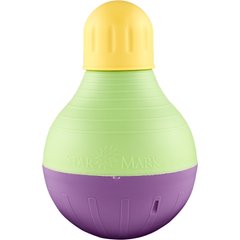
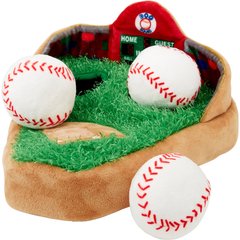
Keeping your dog’s mind busy and their focus and energy directed toward toys may lower the likelihood of your dog eating poop, says Dr. Ochoa. These items can “[address] underlying problems like boredom, stress, and anxiety.”
Recommended Products
Consider a Dog Probiotic
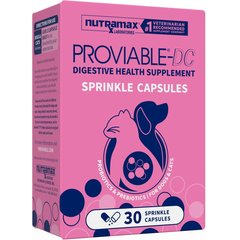
Probiotics are beneficial bacteria that promote a healthy gut in dogs, boost the immune system, aid in digestion, and help balance good and bad gut bacteria, Dr. Ochoa says. If your dog is eating poo in response to a nutritional need, probiotics may help with poop-eating.
Nutramax Proviable Probiotics & Prebiotics Capsules Digestive Supplement is a highly rated probiotic.
Recommended Product
Make the Poop Inaccessible
Limit access to feces whenever possible:
- Clean up your yard promptly
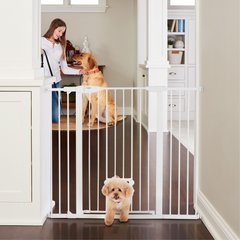
- Use pet gates to block your dog’s access to cat litter boxes
- Place litter boxes in elevated or enclosed areas your dog can’t reach
Recommended Products


With treatment, you may see a reduction in poop-eating behaviors (and possibly increased quality of stool).
Try a Coprophagia Supplement
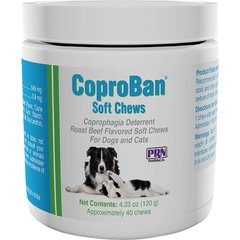
Over the counter supplements for dogs with coprophagia work by changing the taste and texture of the dogs stool to discourage them from eating it. Coproban is a soft chew that does just that. Just remember: This only works if they are eating their own stool. Ask your vet if this is the right choice for your pet.
Recommended Product
FAQs About Dogs Eating Poop
Will my dog grow out of eating poop?
Some dogs—especially puppies—may grow out of eating poop as they mature and learn appropriate behaviors. Puppies often explore the world with their mouths, and coprophagia can be part of that phase. However, if the behavior continues into adulthood, it’s less likely to resolve on its own and may require training, environmental management, or a veterinary evaluation.
Do supplements stop dogs from eating poop?
Supplements may help in some cases, but they are not a guaranteed solution. Products like probiotics or digestive enzyme supplements can support gut health and improve nutrient absorption, which may reduce poop-eating if it’s linked to a nutritional issue. However, behavioral causes—such as boredom or attention-seeking—will need to be addressed through training and enrichment.
Is coprophagia a sign of anxiety?
Yes, coprophagia can be a sign of anxiety in some dogs. Dogs experiencing stress, boredom, or separation anxiety may eat poop as a coping mechanism. If your dog shows other signs of anxiety—such as pacing, whining, destructive behavior, or changes in appetite—it’s a good idea to consult your veterinarian or a behavior professional.
What dog breeds are prone to eating poop?
Coprophagia is not limited to specific dog breeds—it can occur in any breed or mixed-breed dog. However, dogs that are highly food-motivated, curious, or prone to scavenging behaviors may be more likely to eat poop. Environmental factors, training, and individual personality play a much bigger role than breed alone.
How do I clean my dog’s mouth after they eat cat poop?
If your dog eats cat poop, you can clean their mouth by gently wiping their teeth and gums with a damp cloth or offering a dog-safe dental chew. Providing fresh water can also help rinse their mouth. Do not use human toothpaste, as it can be harmful to dogs. If you’re concerned about bacteria exposure or notice symptoms like vomiting or diarrhea, contact your veterinarian.
With the right tools and the help of a veterinarian, you can nip your dog’s poo-eating habit in the bud.
Attributions