How To Calm an Anxious Dog


If your dog tends to get anxious—whether triggered by fireworks, separation from you, or new environments—you’re certainly not alone. The reassuring news? There are many effective ways to help ease your pup’s stress.
But where do you start? We spoke with two veterinarians to gather practical, compassionate solutions designed to soothe your nervous pup. Here’s how to calm an anxious dog.
Key Takeaways
- Dog anxiety is a persistent state of fear or stress that can affect a dog’s behavior and overall well-being.
- Common triggers include loud noises, separation from pet parents, schedule changes, and past trauma.
- Signs of anxiety range from behaviors like barking and pacing to physical symptoms like panting and trembling.
- Treatment options include training techniques, exercise, calming products, supplements, and veterinarian-prescribed medications.
What Is Dog Anxiety?
Dog anxiety is a condition where a dog experiences excessive fear, worry, or apprehension.
Anxiety is not the same as nervousness, though. They’re different in terms of intensity, duration, and impact on your dog’s daily life.
Nervousness is a short-term stress reaction triggered by specific situations, like loud noises or encountering new people. The symptoms are milder and subside once the stressor is removed.
Anxiety, on the other hand, is chronic and more pervasive. It can be triggered by the same things as nervousness but leave a dog feeling tense or on edge after the initial trigger has passed, or sometimes even when there’s no clear trigger at all.
This persistent state of unease can disrupt a dog’s everyday life, leading to ongoing stress and behaviors that can be difficult to manage.
Why Do Dogs Experience Anxiety?
“There are so many reasons why a dog might experience anxiety,” says Elizabeth DeLomba, DVM, MBA, senior veterinary services consultant at VetriScience. She says some of the most common reasons include:
- Loud noises (aka noise phobias): Loud noises, like thunderstorms or fireworks, are a common anxiety trigger in dogs. While some dogs quickly return to normal once the noise stops, loud noises can trigger persistent anxiety in other dogs.
- New environments or experiences: Major changes, like moving to a new home or being sent to doggy daycare, can trigger longer-term anxiety in some dogs.
- Schedule changes: Dogs thrive on routine, so changes in their humans’ schedules—whether due to a new job or altered hours—can set the stage for anxiety.
- Previous trauma: Dogs who have experienced previous trauma or lacked proper socialization during their formative puppy years may develop deep-rooted anxiety. This can show up as fear of certain people, places, or situations that remind them of past negative experiences.
- Separation from their pet parent (aka separation anxiety): When left alone or separated from their favorite human, a dog may become distressed. While some dogs calm down once their pet parent returns, others may develop ongoing anxiety, constantly worrying about the possibility of being left again.
- Aging: As dogs get older, they can develop age-related anxiety, often linked to cognitive decline or sensory changes. This type of anxiety can make previously familiar situations confusing or frightening.
What Are the Signs of Anxiety in Dogs?
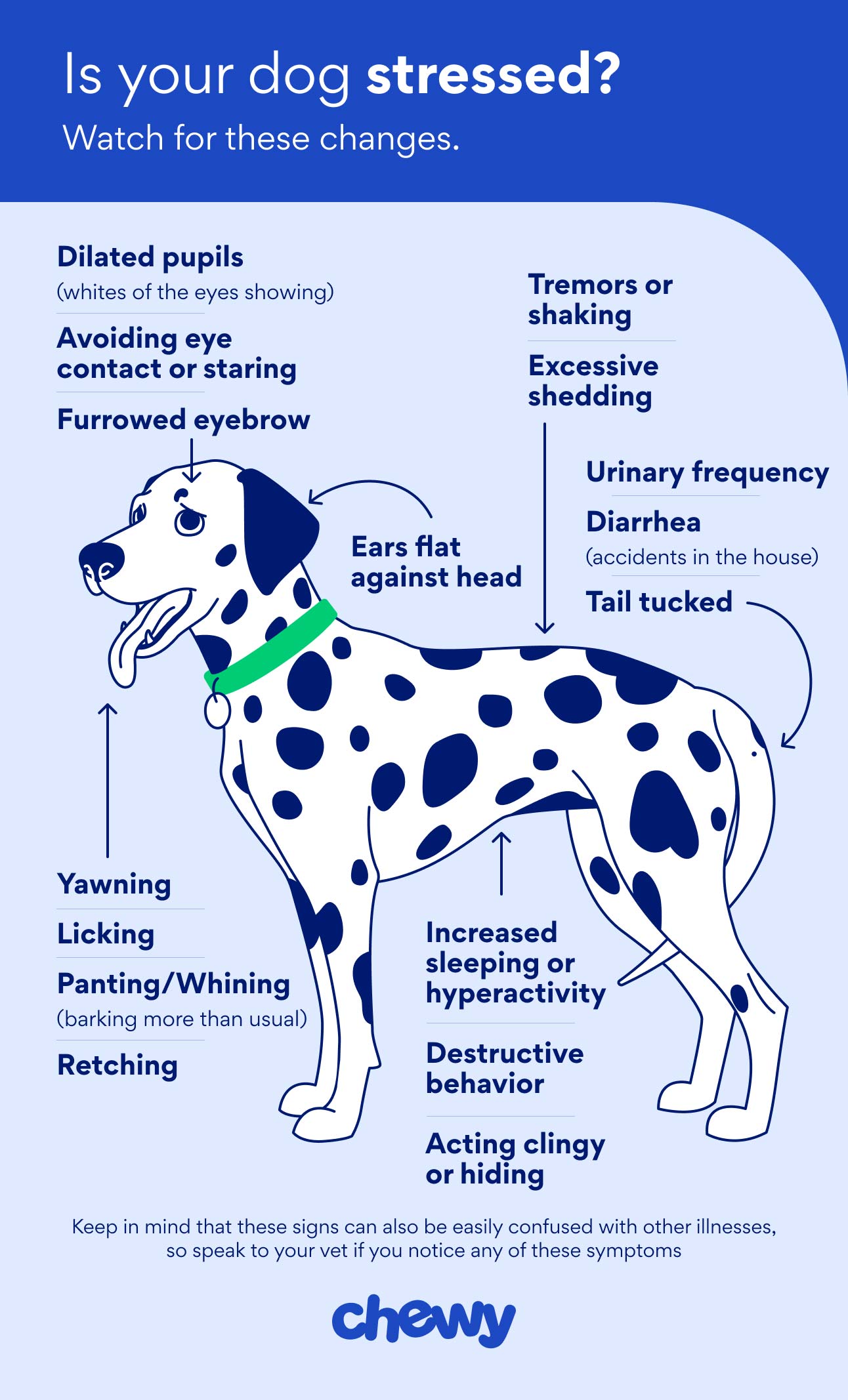
Recognizing the signs of anxiety in your dog is an important first step to helping them feel safer in the world. Anxiety can manifest in both behavioral and physical ways.
Chewy
Behavioral signs of anxiety include:
- Excessive barking or whining
- Destructive chewing or digging
- Restlessness or pacing
- Hypervigilance
- Trembling or shaking
- Jumping at sudden noises
- Lip licking
- Aggression or irritability
- Attempts to escape or hide
- Loss of appetite
- Yawning
- Potty accidents (i.e., inappropriate urination or defecation)
Physical signs of anxiety include:
- Panting or drooling excessively
- Dilated pupils
- Wide eyes
- Excessive shedding
- Tucked tail
How To Calm an Anxious Dog
Chewy
So, how do you help a nervous or anxious dog? Fortunately, there are plenty of vet-approved methods to help your furry friend chill out. Here are a few things to try.
Use Behavioral Modification Techniques
Desensitization and counterconditioning are techniques that help your dog gradually build tolerance to anxiety triggers.
They involve slowly exposing your dog to the source of their fear at low intensity—like playing a quiet recording of thunder—and rewarding them with a treat for staying calm.
As your dog becomes more comfortable, the intensity of the exposures is increased until they can remain calm during the “real deal.”
Provide Daily Exercise
Whether it’s a brisk leashed walk, a game of fetch, or agility training, regular physical exercise plays a vital role in managing your dog’s anxiety.
Recommended Products
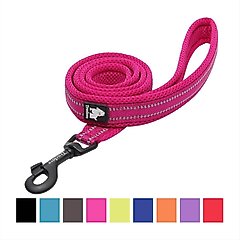


Many dogs were bred for an active role or “job,” so without sufficient activity, pent-up energy can lead to restlessness and stress, Dr. DeLomba explains.
Walks also provide opportunities for socialization and exposure to new sights, sounds, and smells, helping build confidence and reduce focus on anxiety.
Use a Pheromone Diffuser, Collar, or Spray
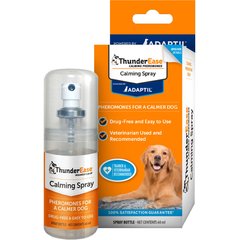
Over-the-counter pheromone-based calming aids can help relieve your pup’s stress.
These products release small amounts of a synthetic form of the dog-appeasing pheromone (DAP), says Amy Attas, VMD, founder of City Pets Vets in Manhattan, New York.
“This pheromone is produced by female dogs when they are nursing their puppies and has a calming effect on dogs,” Dr. Attas explains.
Such calming aids include:
Recommended Product
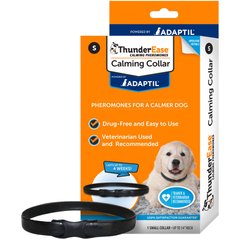
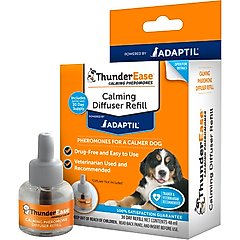
- Pheromone diffusers, such as the Thunderease Calming Dog Diffuser powered by Adaptil, which plugs into an electrical outlet, like an air freshener
Recommended Product
Recommended Product
Wrap Them in a Comfort Vest
Comfort vests, such as the ThunderShirt vest, apply gentle, constant pressure to your dog’s body. This can have a soothing effect, much like swaddling a baby, says Dr. Attas.
Recommended Product
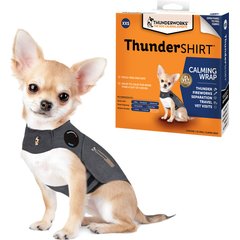
“The mechanism for the resulting relaxation is not known but may be due to the release of hormones or neurotransmitters from the hugging sensation,” Dr. Attas says.
Give Them Soothing Supplements
Chewy
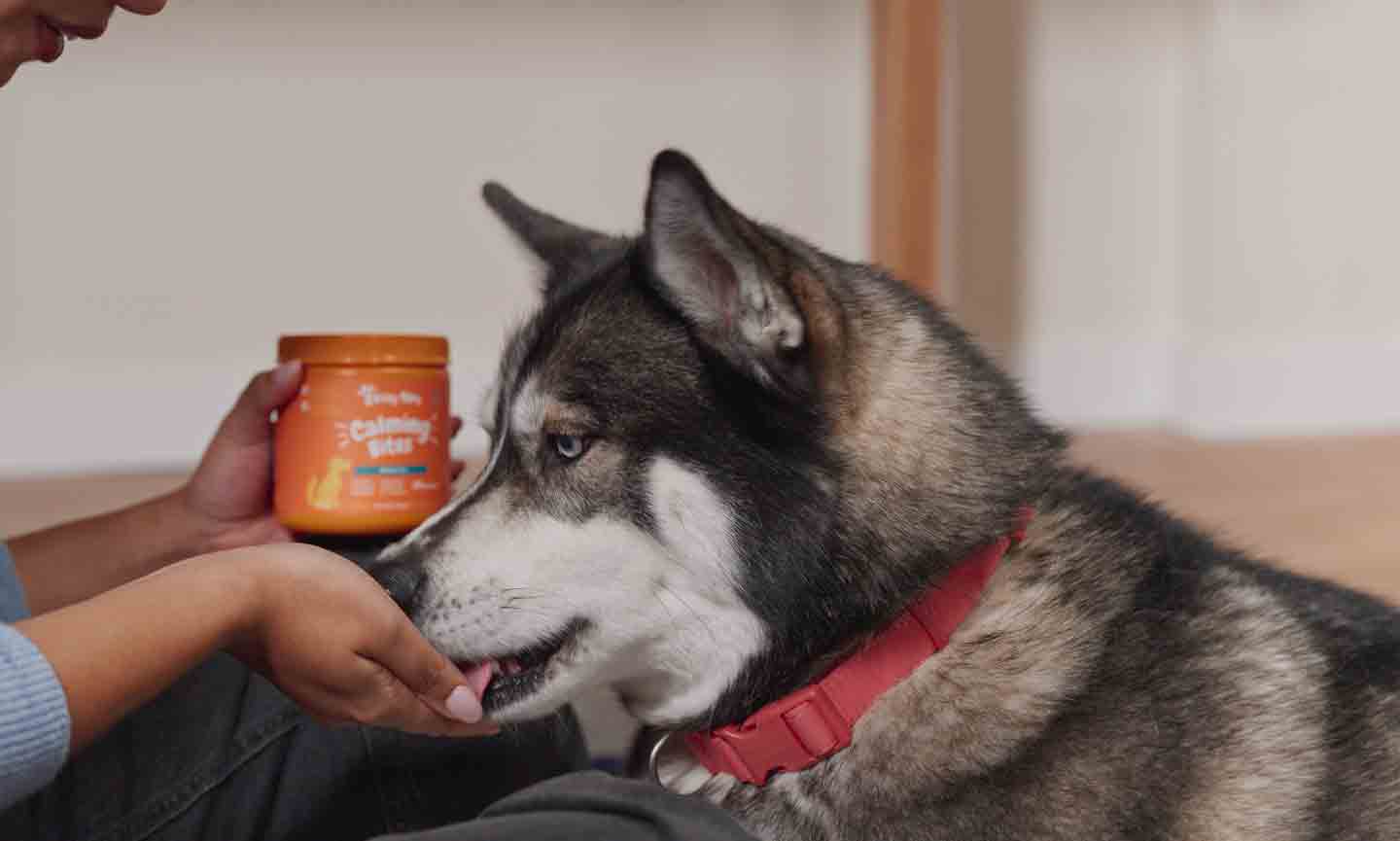
Certain supplements are designed to reduce stress and promote relaxation. Ingredients that Dr. DeLomba has found most effective include:
- L-theanine
- L-tryptophan
- Colostrum
- Ashwagandha
- Thiamine (vitamin B1)
Other popular ingredients include melatonin, chamomile, and passionflower.
“Ingredients and quality are important, so people should look for products that have the National Animal Supplement Council seal,” Dr. DeLomba says. This helps ensure that the contents match what’s promised on the label, she explains.
Ask your vet about the best calming supplement for your pet.
Recommended Products


Provide Interactive Toys
Chewy
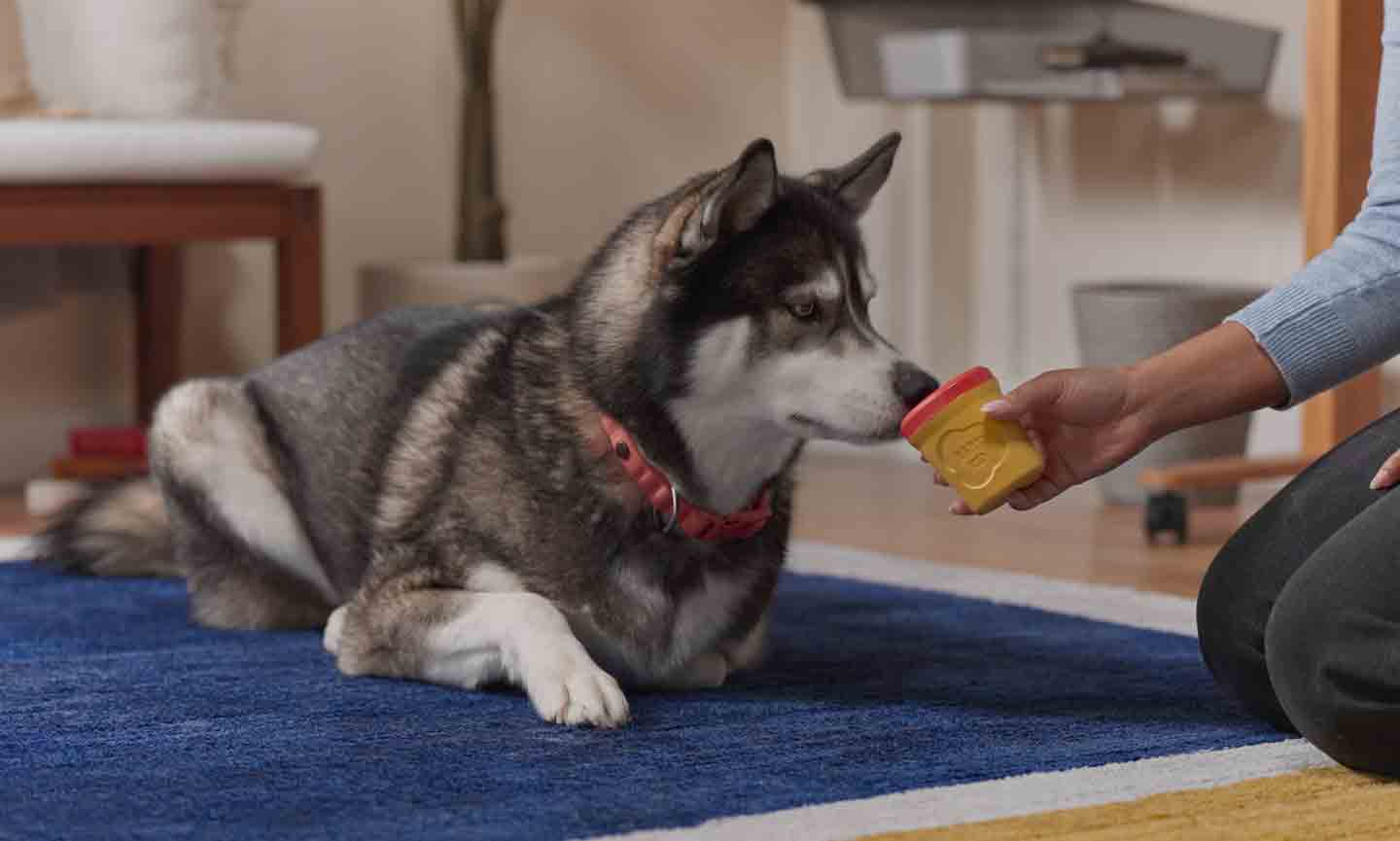
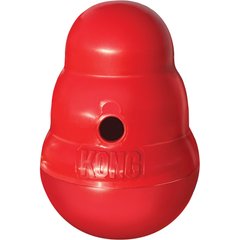
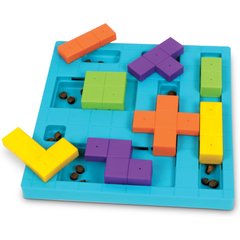
Interactive toys and puzzle toys, such as the KONG Wobbler and the Brightkins Brain Teaser Treat Puzzle, challenge your dog to problem-solve, which helps redirect their focus away from anxiety and provides a sense of accomplishment.
Recommended Products
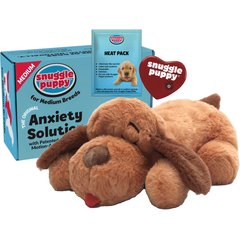
You might also consider trying the Snuggle Puppy . This soft, snuggly plushie features a simulated heartbeat and optional heat source designed to naturally calm and soothe your pup.
Recommended Product
Ask a Vet About Anxiety Medications

Chewy
For dogs with more severe anxiety, a veterinarian may prescribe anxiety medications, usually in conjunction with other methods.
Common anxiety meds for dogs include trazodone and fluoxetine. However, your vet will determine if medication is right for your pet.
Recommended Products


How To Prevent Dog Anxiety
Chewy
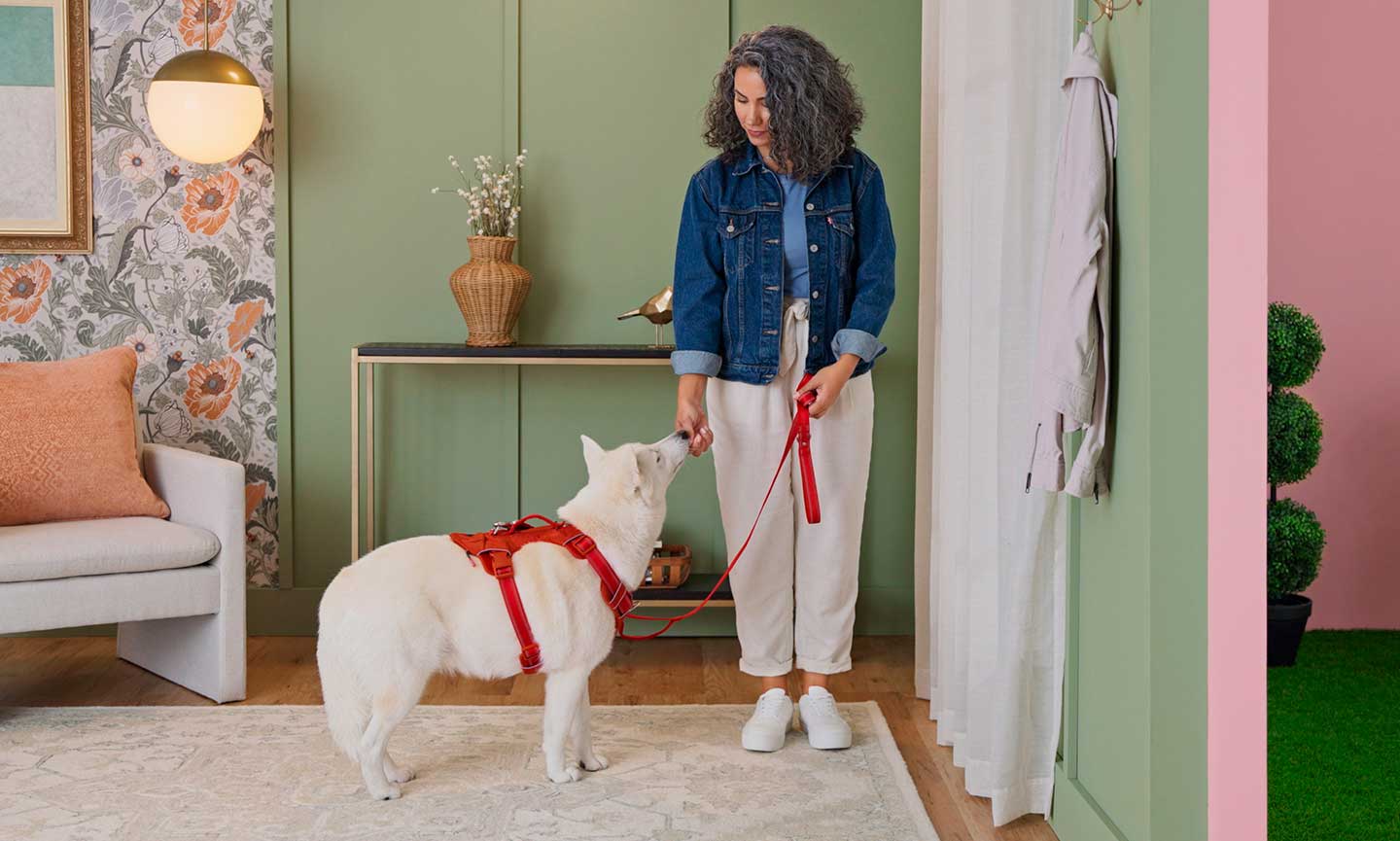
Preventing anxiety in dogs involves creating a stable environment and addressing potential stressors before they become overwhelming.
Here are some proactive steps you can take to reduce your dog’s risk of anxiety (or prevent it from worsening):
- Start training and socialization early. Gradually introduce your dog to new environments, people, and animals to help them become comfortable in a variety of situations.
- Maintain a consistent routine. Dogs thrive on predictability, so sticking to a consistent schedule for feeding, walks, and playtime can help reduce anxiety.
- Provide plenty of exercise and mental stimulation. Daily physical activity and mentally engaging toys or games help reduce pent-up energy and offer distraction.
- Use positive reinforcement. Reward calm behavior with dog treats or praise to encourage relaxation in potentially anxiety-inducing situations.
Recommended Product

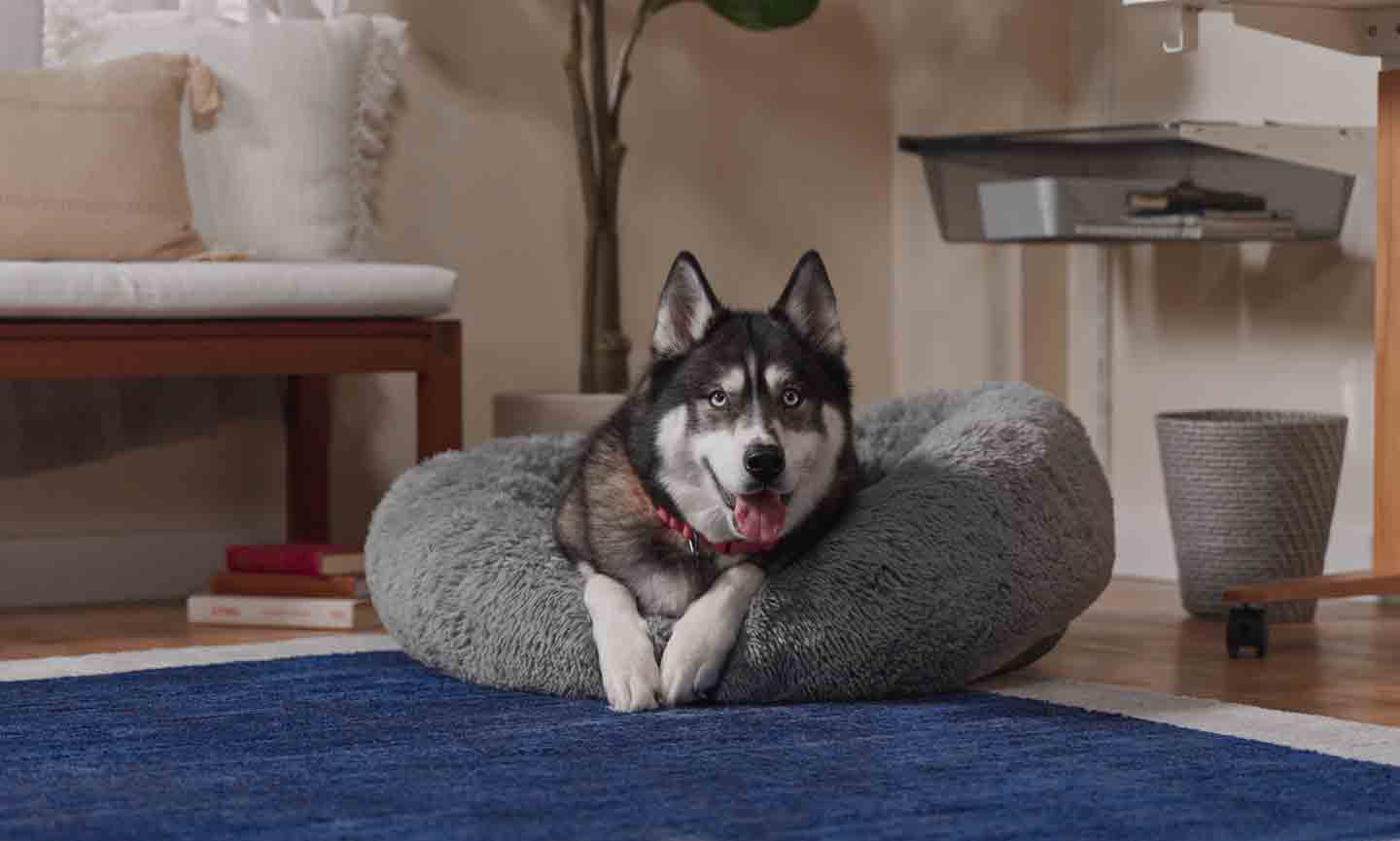
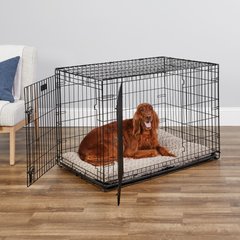
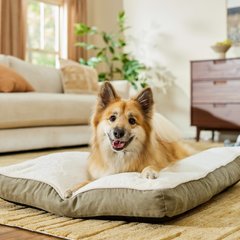
- Create a safe space. Designate a quiet, comfortable area in your home (like a dog crate with a cozy dog bed) where your dog can retreat to if they start feeling anxious.
Recommended Products
- Address medical concerns. Regular vet visits can help catch health issues early that might contribute to anxiety, such as pain in any dog or cognitive decline in older dogs.
If your dog is dealing with persistent anxiety, it’s important to schedule an appointment with your vet. They can rule out any underlying health issues and help develop a plan to alleviate your pup’s stress.
If your dog is dealing with persistent anxiety, it’s important to schedule an appointment with your vet. They can rule out any underlying health issues and help develop a plan that may include some of the solutions mentioned in this article.
Attributions