Can Dogs Eat Cheese?



Photo by Chewy
Everyone loves ooey, gooey cheese, and while your dog won’t be downing a slice of pizza, you might wonder if they can have a small cube of cheddar or a small bite of deli Swiss cheese instead.
So can dogs eat cheese? Yes, many can.
Here’s what to look out for.
Can Dogs Have Cheese?
Yes, cheese can be a tasty treat for many dogs if fed in moderation.
However, dogs with certain health conditions, such as pancreatitis, should skip this snack.
While cheese is not toxic to dogs, dogs lack the digestive enzyme lactase, meaning they’re born lactose intolerant.
But as long as you’re feeding cheese to your dog as an occasional treat and avoiding fatty cheeses—sorry, pups, no cream cheese!—cheese is usually safe.
Is Cheese Good for Dogs?
Yes, cheese can be good for dogs if you choose the right kind.
Cheese is:
- Rich in calcium, which helps maintain strong bones and teeth
Healthy bones are vital to helping dogs have an active lifestyle full of walks and playtime.
Is Cheese Bad for Dogs?
Sometimes it can be. While most dogs can eat cheese as a treat or mixed in with their regular food, not all dogs should.
Here’s why cheese isn’t always a good choice:
- It has lactose. Dogs cannot fully and properly digest dairy products, including cheese, so they may get an upset stomach from eating it.
- Cheese can cause weight gain. Cheese has a lot of calories due to its naturally high fat content, so pet parents concerned about their dog’s weight should avoid feeding them cheese.
- It can make pancreatitis worse. Pancreatitis is a serious and life-threatening digestive disorder that may require hospitalization. If your dog has or has had this health condition, avoid feeding them cheese.
How To Safely Feed Cheese to Your Dog
To feed your dog cheese safely, follow these steps:
- Choose a low-fat cheese. Cottage cheese, Cheddar, Swiss, and mozzarella are good options. Avoid blue cheese, which contains roquefortine C, which is toxic to dogs.
- Avoid spicy cheeses. Avoid pepper jack cheese or other spicy types, which may cause an upset stomach.
- Start small. If your dog has never had cheese, start with a small amount to see how they react. If they don’t have any side effects like an upset stomach, you can continue feeding cheese to your dog in small quantities and in moderation.
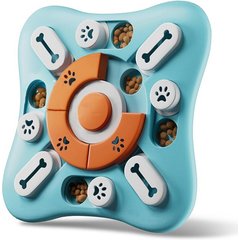
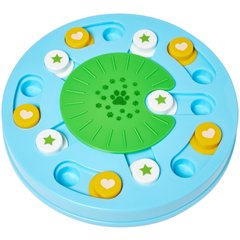
- Mix cheese in with your dog’s regular food. A sprinkle of cheese makes a nice food topper. Or try hiding the cheese in a puzzle toy or snuffle mat to make an enrichment activity out of it.
Recommended Products

How Much Cheese Can My Dog Eat?
Cheese should be only an occasional treat and, along with any other treat, never more than 10% of your dog’s daily calories.
| Dog Size | Serving Size | Frequency |
|---|---|---|
| Extra-small dogs (2–10 pounds) | 1–2 pea-size pieces | A few times per week at most |
| Small dogs (11–20 pounds) | 1–2 cubes of cheese (measuring about ¼ inch square) | A few times per week at most |
| Medium dogs (21–50 pounds) | 3–4 cubes of cheese | A few times per week at most |
| Large dogs (51–90 pounds) | 5–6 cubes of cheese | A few times per week at most |
| Extra-large dogs (91+ pounds) | 7–8 cubes of cheese | A few times per week at most |
My Dog Ate Too Much Cheese—What Do I Do?
Cheese isn’t usually bad for dogs, but eating too much can cause stomach upset and make them uncomfortable.
Watch out for the following signs:
If you see any of these signs after your dog eats cheese, contact your veterinarian for steps on what to do next.
If your dog eats blue cheese, call your veterinarian immediately or head to an emergency vet. You can call Pet Poison Helpline (855-764-7661; a fee applies) on the way.
Vet-Recommended Dog Treats With Cheese
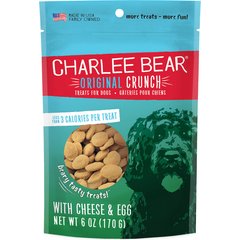
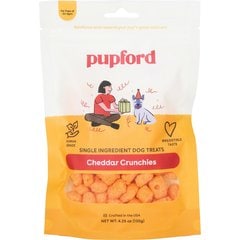
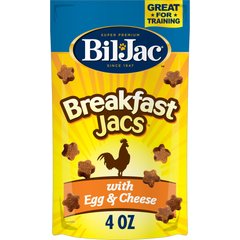
If your pup loves the taste of cheese, there are plenty of cheesy dog treats. Here are some tasty vet-recommended options.
Recommended Products

Frequently Asked Questions About Dogs and Cheese
Can dogs eat cheesecake?
No. Cheesecake has a very high fat content, which can put dogs at risk for pancreatitis.
Can dogs eat cheese sticks?
Yes, dogs can have a small taste of a low-fat cheese stick.
Can dogs eat blue cheese?
No, never. Blue cheese is toxic to dogs.
Can dogs eat cream cheese?
No. Cream cheese is very high in fat, which can contribute to obesity.
Can dogs eat cottage cheese?
Yes! Cottage cheese is a nice low-fat option that many dogs love, and vets will sometimes recommend it as part of a bland diet for GI issues.
Can dogs eat mozzarella sticks?
No, dogs should not eat fried cheese.
Can dogs eat cheese puffs?
No. Cheese puffs have a lot of fat and sodium, neither of which are good for your dog.
Attributions