Why Do Dogs Bury Bones? Is This Normal?


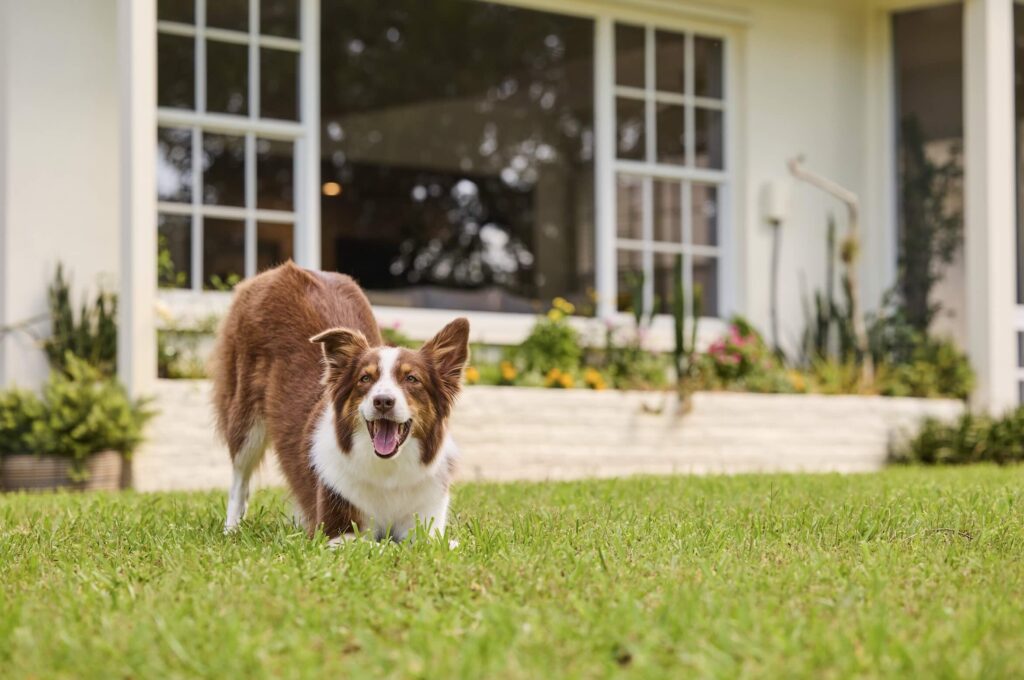
Photo by Chewy
Q: My dog buries bones, toys, and treats in the yard. So why do dogs bury things? Is this normal?
A: Yes, most of the time, burying or hiding prized possessions is a normal, instinctive dog behavior. Dogs may stash treats, toys, chews, and other treasures to save for later or to hide them from others. Or they may simply enjoy digging and hiding things.
But if the behavior begins suddenly, becomes excessive, or causes distress or injury, contact your veterinarian.
Key Takeaways
- Yes, burying toys, treats, and other treasures is a normal, instinctive behavior for many dogs.
- Your pup might bury something to save it for later, keep it safe, or simply because digging and hiding things is fun.
- Step in if your dog is burying something dangerous, digging somewhere unsafe, or guarding their hidden treasures.
- If burying suddenly becomes excessive or your dog seems distressed or unable to stop, check in with your veterinarian.
- If your dog loves to dig, giving them a safe, approved digging spot can provide a healthy outlet for that natural instinct.
Why Do Dogs Bury Bones?
Before we get into the “why,” one quick safety note: Despite the familiar image of a dog happily gnawing on a bone, you shouldn’t give your dog real bones—whether raw or cooked—because of the health and safety risks they pose, says Colleen Guilfoyle, DVM, national shelter medicine veterinarian at Best Friends Animal Society in Kanab, Utah.
But bones aren’t the only things dogs bury. They may also stash dog-safe chews, treats, toys, and even household items (ahem, that missing shoe).
So why do dogs hide their prized possessions? Here are some of the most common reasons:
They’re Saving It for Later
“Burying bones, chews, toys, or other objects is a completely normal, instinctual behavior rooted in a dog’s wild ancestry,” Dr. Guilfoyle says.
This behavior, known as caching, helped your dog’s ancestors store extra food for times when meals were harder to come by, she explains.
Pet dogs now have regular meals, but that old instinct can still kick in when they’re given a treat or chew they don’t want right away.
They Consider It Valuable
“Burying can be a very normal, instinctive way of saying ‘this is high-value,’” says Leigh Siegfried, CCPDT-KA, a dog trainer and founder of Opportunity Barks Behavior & Training in Philadelphia.
The prized possession might be a favorite toy, a tasty treat, or even something they shouldn’t have, such as a sock.
By burying the item, a dog is essentially placing their treasure somewhere they consider safe.
They Don’t Want Anyone Else To Take It
A dog may bury an item to keep another pet—or person—from taking it. This can be especially common in multi-pet homes or among dogs who have experienced food scarcity or competed for resources.
They Enjoy Digging and Hiding Things
For some dogs, digging a hole, placing an object inside, and covering it up is simply fun and satisfying. The behavior gives them an outlet for natural instincts and can provide physical and mental stimulation.
Dogs can also “bury” things without digging in dirt. Your pup may pull a blanket over a treat, wedge a toy beneath a cushion, or tuck a prized possession into their bed.
They’ve Learned It Gets Your Attention
If your dog snatches something off-limits and runs away, chasing them can turn the moment into a thrilling game of keep away. Making a fuss can teach them that stealing and stashing your stuff is a reliable way to make you drop everything and play with them.
When To Stop Your Dog From Burying Things
Occasionally hiding a toy or another safe item is usually nothing to worry about, especially if your dog seems relaxed and can easily move on to something else afterward, Dr. Guilfoyle explains.
You may need to intervene, though, if what your dog is burying or where they’re burying it could put them at risk—or if the behavior becomes unusually intense.
You should step in if:
- The item could be dangerous: Take away socks, shoes, bones, or anything else your dog might swallow whole or chew into pieces they could choke on.
- They bury edible items outdoors: Burying a treat or chew is normal, but the item could pick up dirt, mold, bacteria, lawn chemicals, or parasites. Toss it rather than letting your dog eat it later.
- They’re digging somewhere unsafe or off-limits: Redirect them away from fences, toxic plants, treated soil, irrigation systems, garden beds, or anywhere else they could get hurt, escape, or damage your yard.
- They’re hurting themselves: Frequent digging can injure a dog’s paws, nails, nose, or mouth.
- They guard the hiding spot: Growling, snapping, lunging, or becoming distressed when someone approaches could signal resource guarding.
- The behavior seems frantic or disrupts daily life: Repeatedly burying and retrieving the same item, struggling to settle, or prioritizing burying over eating, sleeping, or playing may signal a behavioral concern.
- Burying starts suddenly or changes significantly: If burying begins out of the blue, escalates sharply, or occurs alongside other unusual behavior, such as disorientation, appetite changes, or changes in bathroom habits, it could point to a medical or behavioral issue, Dr. Guilfoyle says.
If your dog’s behavior concerns you, contact your veterinarian. They can check for pain, cognitive decline, or other medical issues.
If anxiety or another behavioral concern is behind the burying, they can refer you to a veterinary behaviorist or certified trainer for help managing it.
How To Stop Your Dog From Burying Things
If your dog’s burying habit has become unsafe, destructive, or excessive, don’t punish them—they’re just following a natural instinct.
Here’s what to do instead:
Cut Back on the Extras
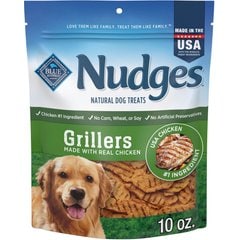
If your dog has more treats, chews, or toys than they can handle, they may tuck the leftovers away for later.
Offer one chew or just a few toys at a time, then rotate them regularly to keep things fresh without creating an overflowing stash.
Recommended Products


Keep an Eye on Special Goodies
If your dog tends to bury certain high-value items, such as chews or squeaky toys, offer them only when you can supervise their activity at that time.
Pick up the item once your dog loses interest, before it disappears beneath the couch cushions or into the backyard.
Give Them Space To Enjoy Valued Items
“Give high-value items in a calm place where the dog doesn’t feel like they need to protect them,” Siegfried suggests. “If you have multiple dogs in the home, give everyone enough space to enjoy their goodies without somebody breathing down their neck.”
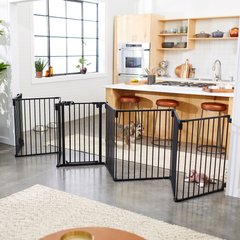
You can use separate rooms or pet gates to create that space, if needed, and pick up any leftovers before bringing the dogs back together.
Recommended Product
Teach Them To Trade
If your dog grabs something off-limits, don’t chase, scold, or try to pry it from their mouth. Instead, offer a high-value treat as a trade, then praise your dog and give them the treat as soon as they release the object.
Recommended Products


Offer Something Better To Do
If you catch your dog getting ready to bury something, calmly call them away and suggest a different activity.
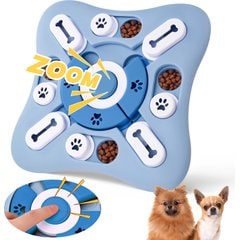
Try a game of fetch, do a short training session, or offer a puzzle toy, treat-dispensing toy, or snuffle mat—then reward them for going along with the change of plans.
Recommended Products

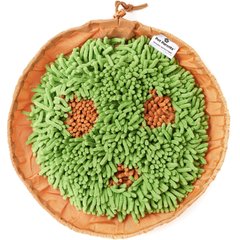
Give Them an Approved Digging Spot
“If your dog simply loves digging and hiding things, give that instinct somewhere appropriate to go—a digging area, sandbox, snuffle activity, or other outlet where they can be gloriously dog about it,” Siegfried suggests.
Bring in Professional Help If Needed
If your dog guards hidden objects, becomes upset when they can’t bury something, hurts themselves, or seems unable to stop, talk with your veterinarian or a qualified, reward-based behavior professional.
“Look at the whole dog,” Siegfried says. “Is this dog getting enough movement? Enough opportunities to sniff, chew, dig, play, and decompress? Is there tension around resources in the home? Has something changed recently?”
Addressing the underlying cause, whether it’s an abundance of goodies, competition over resources, boredom, or anxiety, can help reduce unwanted burying.
FAQs About Why Dogs Bury Things
Why do dogs bury their food?
Burying food is a form of caching, an instinct inherited from dogs’ ancestors, who stored leftovers for times when food was scarce.
Why do dogs hide bones or other treats?
Treats, including bones, are especially desirable, so some dogs stash them somewhere they consider safe. Note that you should never give your dog a real bone, as it can be dangerous. Try a toy bone instead.
Why do dogs bury their toys?
Some dogs simply enjoy digging and hiding things. Others may tuck away a favorite toy to keep another dog from taking it or stash toys they don’t feel like playing with right away.
Attributions