How Often Should You Feed a Dog?


Photo by Chewy
Bringing home a new dog is exciting—especially when the dog toys are neatly stacked (for now), the crate is ready, and a clean dog bowl is waiting for that first meal. But as you scoop out their kibble, a common question pops up: How often should you feed a dog?
In general, most adult dogs do well eating two meals a day about eight to 12 hours apart. Puppies usually need more frequent, smaller meals because their bodies are growing and their stomachs are still small. Here’s how many times a dog should eat based on age and other factors.
Key Takeaways
- Most adult dogs should eat two meals per day, while puppies need to eat more frequently.
- Your dog’s feeding routine depends on their age, breed size, activity level, weight, and overall health.
- Free feeding can increase the risk of overeating and obesity in some dogs.
- Your veterinarian is the best resource for determining the best feeding schedule and portion size for your dog.
How Often Should You Feed a Dog?
Most adult dogs should be fed twice a day, about eight to 12 hours apart. Puppies usually need three to five meals a day, depending on their age and breed size.
Use the table below as a quick guide to how many meals dogs need at each life stage.
| Age | Daily Frequency | Type of Food |
|---|---|---|
| 6–12 weeks | 4 meals | Puppy food |
| 3–6 months | 3 meals | Puppy food |
| 6–12 months | 2 meals | Puppy food |
| 12 months and older | 2 meals | Adult dog food |
Most puppies are fully weaned to solid food by the time they’re 6–8 weeks old, and their early feeding schedule should support growth without overloading their little bellies.
Breed size can also influence meal frequency:
- Toy breeds and some small-breed puppies often need more frequent meals, especially when they’re young, to help prevent hypoglycemia.
- Large and giant-breed puppies need carefully measured portions and, when appropriate, a large-breed puppy formula to support controlled growth.
To set your puppy up for success, ask your veterinarian about the right food and feeding schedule for their age and expected adult size.
Factors That Affect How Often a Dog Should Eat
Several factors can affect how often a dog should eat, including:
Age
Puppies are tiny furnaces with paws that burn through energy quickly. They need smaller meals more often.
Adult dogs usually do best with breakfast and dinner.
Seniors may still eat twice daily, but some older dogs may need softer food, smaller meals, specialized food, or a different feeding routine if they have dental disease, nausea, or chronic illness.
Breed
Small dog breeds have smaller stomachs, and some may feel better with daily calories split into three meals instead of two.
Deep-chested dogs may benefit from multiple smaller meals (three times daily) because eating one large meal can increase risk in dogs prone to gastric dilatation-volvulus (GDV), also called bloating. The Merck Veterinary Manual recommends multiple small meals and avoiding exercise around mealtimes for breeds at high risk.
Activity Level
A couch-loving bulldog and a trail-running border collie who weigh the same won’t need the same daily calories.
Working, sporting, pregnant, nursing, or active may need more calories—sometimes split into more meals.
Medical Conditions
Dogs with diabetes, gastrointestinal disease, a history of pancreatitis or kidney disease often need a specific feeding schedule.
Weight Goals
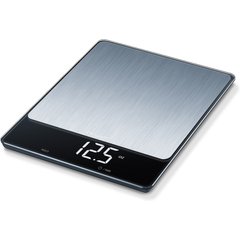
If a dog is gaining weight, the first fix is usually not buying a different food; it’s measuring food correctly, ideally with a scale for accuracy.
Recommended Product
The 2021 AAHA nutrition guidelines recommend regular nutrition screening, including body weight, diet history, and activity level.
Best Practices for Feeding Your Dog
Start with the feeding guide on the dog food bag or can, then adjust based on your dog’s body condition.
Your veterinary care team can also help you determine your dog’s daily calorie needs and how much to feed them each day—bring the exact food you’re feeding (brand and formula) and they can calculate a precise daily feeding target.
A few habits make feeding cleaner, safer, and more consistent:
- Weigh food using a gram scale instead of using a measuring cup for accuracy and to help prevent overfeeding.
- Feed on a schedule, aiming for the same times each day.
- Discard uneaten wet food after 20–30 minutes.
- Keep treats to 10% or less of daily calories.
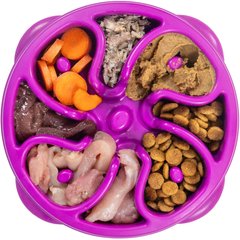
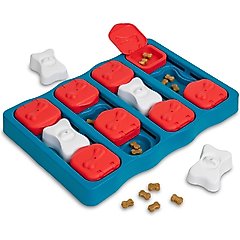
- Use a bowl or puzzle toys for dogs who eat too quickly.
Recommended Products
- Wash food bowls regularly to reduce bacteria and odor. Wash daily if feeding wet food.
- Track weight monthly—or more often if your vet recommends it.
The Pet Nutrition Alliance calorie calculator can help veterinary teams estimate daily calories and notes that treats should not exceed 10% of total daily calories.
Risks of Feeding a Dog Too Much or Too Little
If You Feed Your Dog Too Much
Dogs are excellent at looking hungry five minutes after breakfast, but overfeeding can lead to weight gain and obesity. Extra weight increases the risk of early-onset joint strain, poor stamina, obesity-related diseases, and a shorter, less comfortable life. Extra calories often sneak in through treats, chews, table scraps, and “just a little more” at dinner.
If You Feed Your Dog Too Little
On the other hand, feeding too little can cause:
- Weight loss
- Poor coat quality
- Lethargy
- Constant hunger
- Nutrient deficiencies
Puppies are the biggest concern because they need the right amount of calories and nutrients to grow normally—not too much, not too little. Your veterinarian is your best resource for dialing in your dog’s portion size.
When To Call Your Veterinarian
Meal size matters too. Dogs who eat large meals quickly may vomit, regurgitate, or feel bloated. In large, deep-chested dogs, sudden restlessness, a swollen belly, drooling, or repeated unproductive retching can signal bloat—a life-threatening emergency. If you notice these signs, go to a veterinarian or emergency hospital right away.
Other food-related reasons to call your veterinarian include:
- You’re feeding the recommended amount, but your dog is gaining or losing weight.
- Your dog is voraciously hungry all the time or has a poor appetite.
- Your dog is vomiting, has diarrhea, or you see worms in their stool.
- Your dog ate something they shouldn’t.
FAQs About How Often To Feed a Dog
Is it better to feed a dog once or twice a day?
Feeding a dog twice a day is better for most adult dogs. This helps prevent long gaps between meals and makes it easier to notice appetite changes.
How much should I feed my dog?
Start with the food label, then adjust based on your dog’s weight, body condition, age, and activity level. Your veterinarian can calculate a more accurate daily calorie target.
Is free feeding bad for dogs?
Free feeding is not ideal for many dogs because it can lead to overeating and makes appetite changes harder to spot. It may work for a few dogs, but measured meals are usually the better plan for most dogs.
Is it OK to leave kibble out all day?
Dry kibble can sit out longer than wet food but leaving it out all day can attract pests and encourage grazing. Measured meals are better for weight control and routine.
Should puppies and adult dogs have the same feeding schedule?
No. Puppies need more frequent meals than adult dogs because they are growing and have smaller stomachs.
How do I know if I’m feeding my dog enough?
Your dog should have a visible waist from above, ribs you can feel without digging into their skin, good energy, and a stable weight. If you’re unsure, ask your vet for a body condition score check and a weight recommendation.
Attributions