What Is the Best Dog Food for Arthritis?

Photo by Chewy
Arthritis is a highly prevalent, progressive, lifelong condition in dogs that becomes more common as they age.
Along with medications, exercise, and weight management, nutrition plays an important role in helping arthritic dogs stay active and comfortable. Choosing the right dog food for arthritis can help support your dog’s mobility, comfort, and overall quality of life. Here’s what to look for.
Before changing your dog’s diet or adding supplements, talk with your veterinarian—especially if your dog has chronic conditions or mobility issues.
Key Takeaways
- The best dog food for arthritis supports joint health while helping dogs maintain a healthy body weight.
- Nutrients like omega-3 fatty acids, glucosamine, chondroitin, and antioxidants may help support mobility and joint function.
- Keeping dogs lean is one of the most important parts of arthritis management.
- Some dogs benefit from prescription joint diets formulated specifically for mobility support.
- Your veterinarian can help you choose the best diet, based on your dog’s age, weight, mobility issues, and other medical conditions.
Why Diet Matters for Dogs With Arthritis
Maintaining a healthy weight is one of the most important ways to help support dogs with arthritis. Extra body weight places additional stress on painful joints, while the right diet may also provide nutrients that support joint health, mobility, muscle mass, and overall quality of life.
What To Feed a Dog With Arthritis
The best dog food for arthritis should support healthy weight management, joint health, and overall mobility.
However, there is no single perfect diet for every arthritic dog. Age, breed size, activity level, and other medical conditions all play a role in choosing the right food.
Key Feeding Considerations
- Weight management and calorie control: Keeping dogs lean is one of the most important parts of arthritis care. Extra body weight increases stress on painful joints.
- Wet vs. dry food: Either can work. Wet dog food may help with hydration or picky eating, while dry dog food can be convenient for portion control.
- Senior diets and life-stage nutrition: Senior dog food formulas may be more likely to include joint-support nutrients and controlled calories, but the best choice depends on your dog’s overall health and life stage.
- Veterinary diets vs. over-the-counter diets: Some dogs do well on OTC foods, while others benefit from prescription therapeutic diets formulated for mobility support.
- Other medical conditions: Dogs with conditions like kidney disease, obesity, or GI sensitivities may need a diet plan that prioritizes those needs first.
Nutrients and Features To Look For
- Omega-3 fatty acids (EPA/DHA): Help support joint health and mobility.
- Glucosamine and chondroitin: Common in joint diets and supplements to help support cartilage and mobility.
- Appropriate protein levels: Support muscle mass, which helps stabilize and protect joints. But talk to your vet if your dog has a medical condition, such as kidney disease.
- Antioxidants (e.g., vitamins E and C): Help support overall wellness and healthy aging.
- Calorie-controlled formulas: Can help dogs maintain a healthy body condition, which helps reduce strain on joints.
Treats for Dogs With Arthritis
Treats add calories quickly, which can make it harder for dogs with arthritis to maintain a healthy weight. Consider options like:
- Low-calorie produce: Small pieces of baby carrots or green beans
- Portion-controlled training treats: Break treats into tiny pieces to help limit calories
- Kibble as treats: Set aside part of your dog’s measured daily food to use for rewards
If your dog needs strict calorie control (or has other health conditions), ask your veterinarian which treats are safest—and how many are appropriate.
What About Home-Cooked Diets?
If you feed your dog a home-cooked diet, work with a veterinarian (ideally a board-certified veterinary nutritionist) to ensure the food is complete and balanced. Unbalanced homemade diets can lead to nutritional deficiencies over time.
What Is the Best Dog Food for Arthritis?
There isn’t a single “best” dog food for arthritis. Instead, work with your veterinarian to determine the optimal diet for your pet’s specific arthritic condition, age, sex, breed, and any other health conditions.
Below are a few commonly recommended options; many dogs show improvement on arthritis diets in three to six weeks.
Best Dry Dog Food for Arthritis
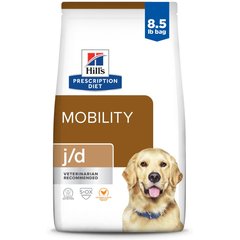
- Prescription: Hill’s Prescription Diet j/d Joint Care Dry Dog Food is a therapeutic diet for dogs with osteoarthritis that helps support mobility with omega-3 fatty acids, glucosamine, and chondroitin.
Recommended Product
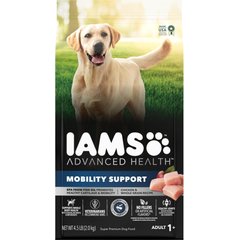
- Over the counter (OTC): Iams Advanced Health Mobility Support is a great non-prescription diet option that includes natural sources of glucosamine, chondroitin, omega-3 fatty acids, L-carnitine, and live probiotics.
Recommended Product
Best Wet Dog Food for Arthritis
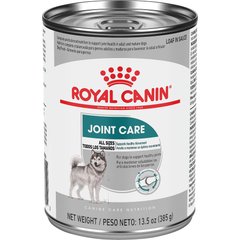
- Prescription: Royal Canin Canine Care Nutrition Joint Care contains collagen, antioxidants, omega 3 fatty-acids, and turmeric to support joints while also maintaining an ideal body weight.
Recommended Product
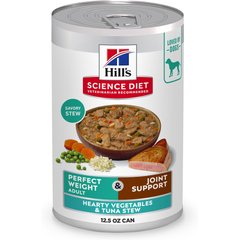
- OTC: Hill’s Science Diet Adult Perfect Weight Management & Joint Support is a weight-management diet that also provides glucosamine, chondroitin, and fish oils.
Recommended Product
Best Dog Food for Seniors With Arthritis
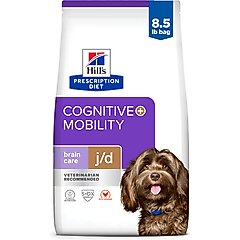
- Prescription: Hill’s Prescription Diet Brain Care + j/d Joint Care is a prescription diet that supports aging dogs’ cognitive function and provides mobility support.
Recommended Product
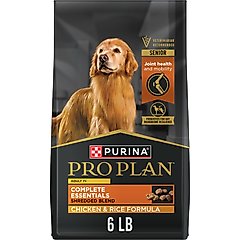
- OTC: Purina Pro Plan Complete Essentials Adult 7+ mixes hard kibble with meaty pieces, plus EPA, vitamin A, linoleic acid, glucosamine, and probiotics.
Recommended Product
Best Dog Food for Small Breeds With Arthritis
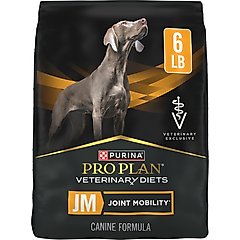
- Prescription: Purina Pro Plan JM Joint Mobility is known for its higher protein content, which can help support muscle mass while having a smaller kibble size that makes it a great option for smaller breeds.
Recommended Product
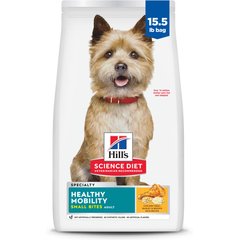
- OTC: Hill’s Science Diet Adult Healthy Mobility Small Bites is designed for small-breed dogs, It features EPA and natural sources of glucosamine and chondroitin in a small-sized kibble that makes it easier for small breeds to eat.
Recommended Product
Best Dog Food for Large Breeds With Arthritis
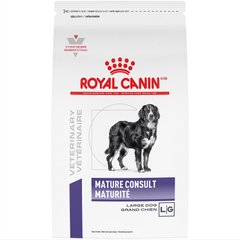
- Prescription: Royal Canin Veterinary Diet Mature Consult Large Breed Adult is for dogs that weigh at least 55 pound and age 5 and older. This blend of nutrients helps preserve muscle mass and provides joint support.
Recommended Product
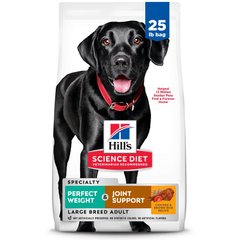
- OTC: Hill’s Science Diet Perfect Weight Management & Joint Support Large Breed Adult Dry Dog Food contains omega-3 fatty acids and helps maintain an ideal weight.
Recommended Product
FAQs About What To Feed a Dog With Arthritis
What foods are good for dogs with arthritis?
Dogs with arthritis often do best on complete and balanced diets that support healthy weight management and joint health. Diets rich in omega-3 fatty acids may also help support mobility and comfort. Some dogs may also benefit from prescription joint diets formulated specifically to support arthritis.
Your vet can recommend the best diet for your dog.
What is the best diet for a senior dog with arthritis?
The best diet for a senior dog with arthritis depends on the individual dog. In general, veterinarians look for diets that help maintain lean body weight, support muscle mass, encourage hydration, and provide joint-support nutrients.
Should I give my arthritic dog supplements?
Some dogs may benefit from supplements such as fish oil, glucosamine, chondroitin, green-lipped mussel extract, and antioxidants, while others show little noticeable improvement.
Recommended Products
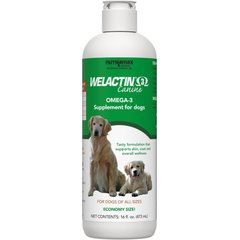
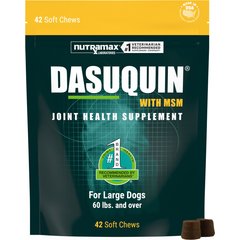
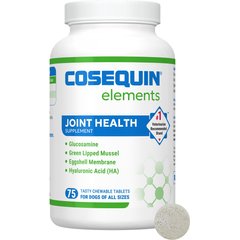
Talk with your veterinarian before starting supplements, especially if your dog is already eating a prescription joint diet or has other medical conditions.
Are there other ways to help a dog with arthritis besides diet?
For many dogs, arthritis care works best when several factors are combined, such as weight management, controlled exercise, rehabilitation therapy, medications, supplements, and environmental changes at home.
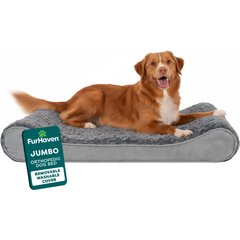
Orthopedic beds, ramps and steps, and minimizing slippery surfaces may all help reduce strain on painful joints.
Recommended Products

Attributions