Anxiety in Dogs: What It Is and How To Help Your Pup

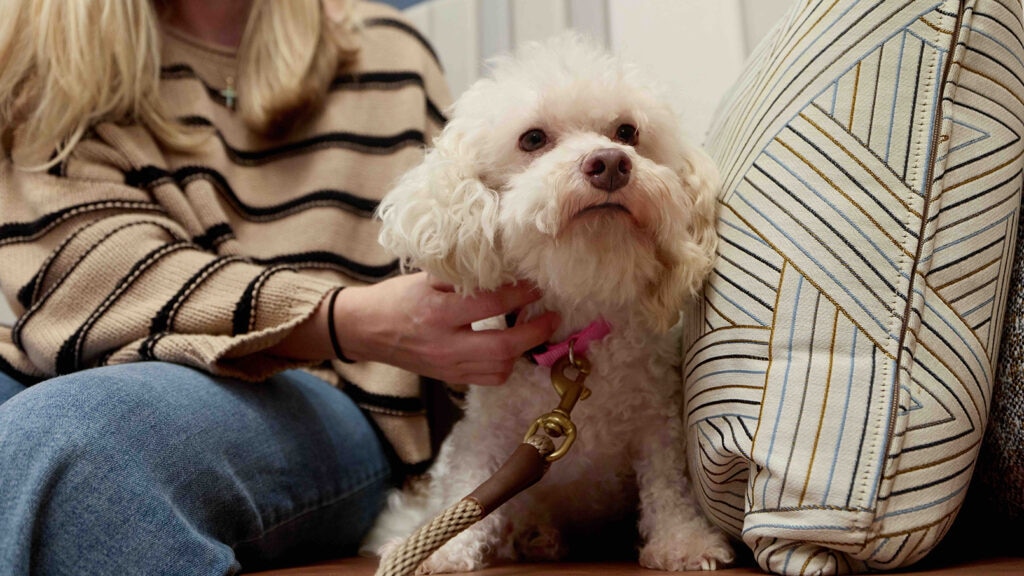
Photo by Chewy
Everyone gets anxious now and then—even our dogs.
Sometimes they’re reacting to a trigger, or sometimes it seems out of the blue. But there are steps you can take to get your bestie back to their calmer, happier self.
Here’s what anxiety is in dogs, the symptoms to look for, and how to help your dog deal with it.
Always talk with your veterinarian before starting any new calming product, supplement, or medication, especially if your dog has other health conditions or is taking other medications.
Key Takeaways
- Dog anxiety can be situational, triggered by specific events, or generalized with no obvious trigger.
- Signs of anxiety in dogs can include panting, pacing, hiding, shaking, destructive behavior, and appetite changes.
- Separation anxiety is specifically triggered by being left alone or apart from a pet parent.
- Mild anxiety may be managed with a safe space, calming products, enrichment, and other vet-approved strategies.
- Severe or sudden anxiety warrants a vet visit; treatment may include behavior modification, medication, or both.
What Is Anxiety in Dogs?
Anxiety in dogs happens when your dog is uneasy about something and sees it as a potential threat. In fact, canine anxiety is pretty similar to human anxiety.
While it may occur in response to a clear and present stimulus, anxiety can manifest even in the absence of an actual trigger.
Veterinarians generally group anxiety into two categories:
- Situational anxiety: This happens in specific moments, like before a car ride or a vet visit. It’s often triggered by warning signs your dog has learned to notice, such as seeing their carrier come out.
- Generalized anxiety: This sticks around all the time, often with no clear trigger, and can get in the way of everyday things like eating or spending time with the family.
What Causes Anxiety in Dogs?
There’s no single cause of anxiety in dogs. More often, it’s a mix of nature and nurture.
Here are some key factors:
- Genetics and breed: Some dogs are simply born with a more sensitive temperament.
- Inadequate socialization: Puppies who miss out on positive exposure to a variety of people, places, sounds, and animals during the key socialization window (roughly 8–16 weeks of age) may grow into more anxious adults.
- Traumatic experiences: A single frightening event, like too-rough playing with another dog, can have a lasting effect.
- Medical conditions and pain: Physical and mental health are closely linked. Illness or chronic pain, such as arthritis, can lower a dog’s threshold for stress.
- Aging: In senior dogs, age-related brain changes can cause confusion and anxiety.
- Instability or change: Repeated rehoming, time in a shelter, a move, a new household member, or a change in routine can all trigger anxious episodes.
Signs of Anxiety in Dogs
Dogs can’t tell us when they feel anxious, but their body language often gives it away.
Common signs of anxiety and stress include:
- Dilated pupils, often with the whites of the eyes showing (“whale eye”)
- Hiding, running away, cowering under furniture, or avoiding eye contact
- Tucked tail and lowered body
- Lip licking and yawning
- Excessive shedding
- Peeing more often, diarrhea, or accidents in the house
- Sleeping more than usual or sudden hyperactivity
- Destructive behavior
- Panting and shaking
- Pacing
- Whining or barking more than normal
- Changes in appetite
What Is Separation Anxiety in Dogs?
Separation anxiety is a specific type of anxiety triggered when a dog is apart from their primary caregiver or left alone.
While general anxiety can crop up at any time, separation anxiety is directly tied to your absence.
Common signs include:
- Destructive behavior, often near doors or windows
- Excessive howling or barking when left alone
- Accidents in the house from an otherwise house-trained dog
- Drooling or excessive salivation
- Self-trauma, such as excessive chewing or licking
When To See Your Veterinarian About an Anxious Dog
Work closely with your veterinarian or a behavioral specialist if your dog has severe symptoms, such as:
- Self-injury: Your dog is hurting themselves by licking, chewing, or trying to escape a crate or room.
- Aggression: Worry is escalating into growling, snapping, or biting.
- Poor quality of life: Your dog cannot enjoy normal walks or play.
- Physical signs of stress: Ongoing diarrhea, vomiting, or a complete loss of appetite during anxious episodes.
- Sudden changes: A senior dog who suddenly becomes fearful or anxious for no clear reason may need extra help.
How To Calm an Anxious Dog at Home
If your dog’s anxiety is mild and occasional, you may be able to try at-home calming steps with your veterinarian’s approval.
Create a Sanctuary Space
Set up a dedicated safe zone where your dog can retreat from the noise and activity of the house. Include the essentials, like a cozy bed and—if your dog finds a crate comforting—a crate with soft padding or a blanket.
Recommended Products
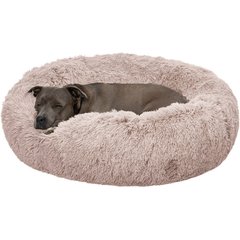
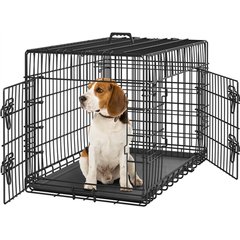


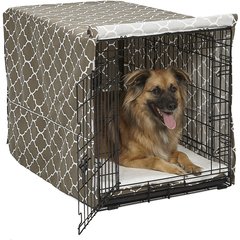
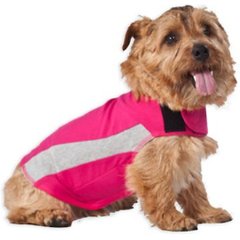
A crate cover may also come in handy, and a cozy anxiety vest can help some dogs feel more secure.
Recommended Products
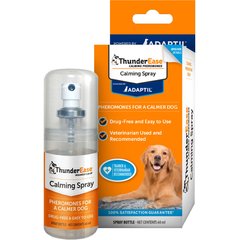
Calming pheromone products, like a diffuser, spray, or collar, may also help by mimicking the soothing scent a mother dog releases to her puppies.
Recommended Product
Consider a Calming Diet or Supplement
Certain supplements and diets can help lower a dog’s baseline stress level when offered regularly, though they may take a few weeks to reach full effect.
Always ask your veterinarian before giving your dog any supplements or new food.
- Purina Pro Plan Veterinary Diets Calming Care Calming Supplement is a daily probiotic you can mix with your dog’s food.
Recommended Product

- VetriScience Composure Calm & Confident Chews are fast-acting and don’t cause grogginess.
Recommended Product

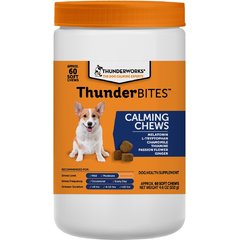
- ThunderBites Melatonin Calming Chews may reduce stress from car rides, thunderstorms, fireworks, travel, vet visits, and more.
Recommended Product
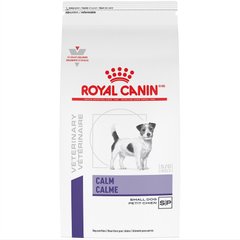
- Royal Canin Veterinary Diet Adult Calm Dog Food contains hydrolyzed milk protein and L-tryptophan to help manage stress in dogs.
Recommended Product
Add a Sound Machine or Enrichment Puzzle
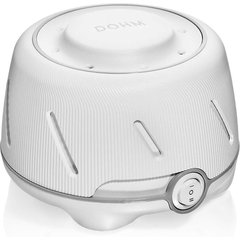
Calming music or a white noise machine can help mask triggering sounds, such as thunder.
Recommended Product
Some dogs also relax with food puzzles, which redirect their focus to a rewarding task.
Recommended Product

What To Do If Your Dog Is Having an Anxiety Attack
If your dog is in a state of panic, follow these steps:
- Stay calm. Dogs pick up on our emotions, and frustration or anger will only make their fear worse.
- Offer a hiding spot or crate. A den-like environment may help your dog feel more secure.
- Use a familiar cue. If your dog will still take treats—try a calming one—ask for a simple, well-known behavior, like sit or stay. A target stick can also give your dog a task to focus on as they follow this visual cue.
Recommended Products


4. Comfort them. Never use negative reinforcement or yell at your dog.
How Vets Diagnose and Treat Anxiety in Dogs
Your veterinarian will usually start with a full physical exam and blood work to rule out medical causes.
Bringing short video clips of the worrying behavior at home can be very helpful.
Treatment plans usually combine a few approaches:
- Identifying triggers: You can then figure out a plan to avoid them as much as possible.
- Behavior modification: A positive, reward-based plan using desensitization and counter-conditioning can slowly change how your dog feels about a trigger.
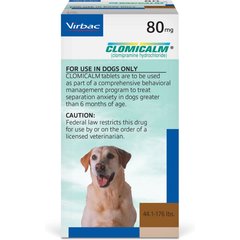
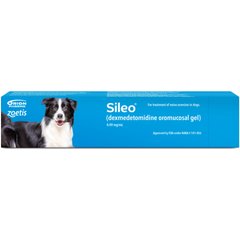
- Medication: Your vet may determine that medication could help support your dog. Some commonly prescribed medications for canine anxiety include:
Recommended Product

Recommended Product

Recommended Product
Recommended Product
For more complex cases, your veterinarian may refer you to a board-certified veterinary behaviorist.
FAQs About Anxiety in Dogs
Are anxiety and separation anxiety in dogs the same thing?
No. Separation anxiety is a specific type of anxiety triggered only by being apart from a caregiver. General anxiety can happen at any time, with or without a clear trigger.
What is the 3-3-3 rule for dog anxiety?
This is a general guideline for newly adopted dogs: It often takes about three days to decompress, three weeks to learn your routine, and three months to feel fully secure in a new home.
What dog breeds are most prone to anxiety?
Any dog can develop anxiety, but some breeds, especially herding and terrier groups, appear more predisposed to anxiety.
How do I calm a nervous dog?
Stay calm and let them retreat to a safe spot. If your dog will still take treats, ask for a simple, familiar cue to help them refocus.
What causes sudden anxiety in dogs?
A sudden onset of anxiety, especially in senior dogs, is often a sign of physical pain or age-related brain changes. See a vet as soon as you can.
What can you give a dog to relieve anxiety?
For mild cases, calming aids and enrichment may be enough. For moderate to severe anxiety, see your vet. They might recommend a prescription medication or behavior modification.
Attributions