Why Does My Dog Snore? Is This Normal?


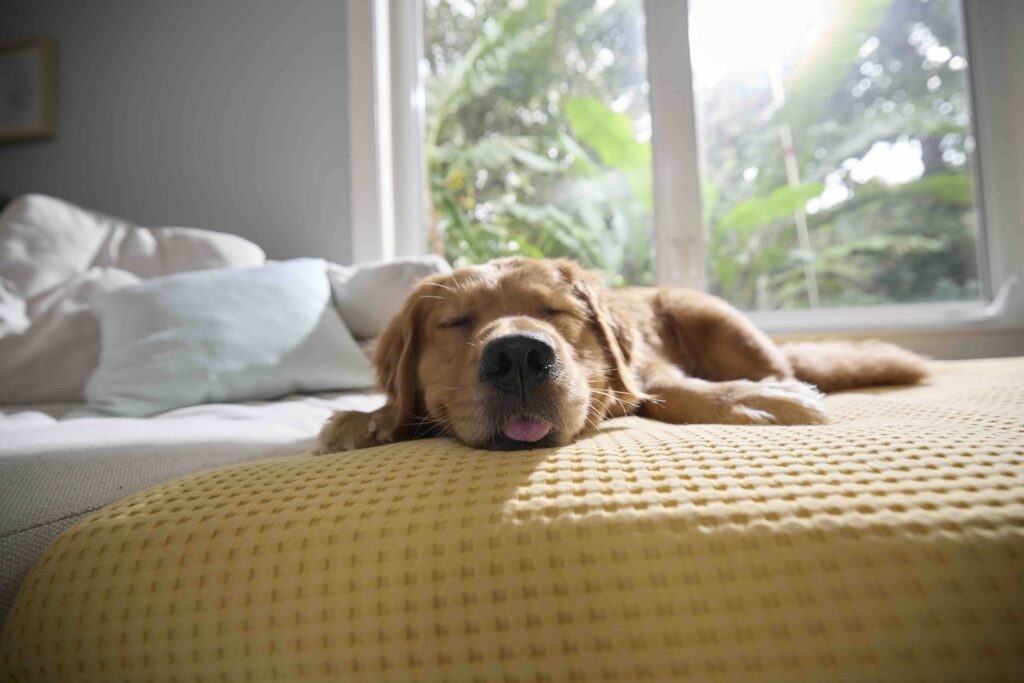
Photo by Chewy
Q: I’ve noticed my pup will sometimes snore softly when she’s tuckered out and in a deep sleep. It’s one of the cutest sounds I’ve ever heard, but is this normal?
Yes! Mild, occasional snoring is usually normal for dogs. Your pup might snore because of their sleeping position or the shape of their nose and throat. But if your dog’s snoring suddenly starts, gets louder, or happens more often, it’s worth checking in with your dog’s veterinarian to rule out an underlying health issue.
Is Dog Snoring Normal?
Yes, snoring can be completely normal for dogs.
“Just like people, dogs can snore when the tissues in the nose and throat vibrate as air moves through,” says Georgina Ushi, DVM, a veterinarian in Tampa Bay, Florida.
Whether it’s normal for your individual pooch depends on if they usually snore, how loudly they snore, and if any symptoms accompany their snoring. Not all snoring is healthy snoring.
9 Reasons Why Dogs Snore
Some causes of snoring are harmless, while others may require veterinary attention.
“Snoring happens when airflow is partially blocked while a dog sleeps,” says Timothy Hunt, DVM, veterinarian and founder at Bayshore Veterinary Hospital in Marquette, Michigan.
Here are several common reasons for dog snoring.
Breed Anatomy
Causes of snoring can come down to something as simple as your dog’s breed, says Rachel Cocchiaro, DVM, veterinarian and partner at Bahama Veterinary Medical Center in Durham, North Carolina.
Brachycephalic dogs, or dogs with short noses or flat faces, are predisposed to snoring because of their skull shape, long soft palate, and smaller nose openings (nares). These anatomical changes naturally cause narrower airways, she explains.
Brachycephalic dog breeds include:
Sleeping Position
A dog who sleeps on their back or with their head and neck in a certain position may snore more than they do in other positions, Dr. Ushi says.
In this instance, snoring is temporary and stops once your dog changes their sleeping position.
Excess Weight
As adorable as a chonky pup can sometimes be, excess weight can cause numerous health issues and should be addressed with your veterinarian. Extra pounds can also be the reason for a dog’s noisy breathing when asleep—and even awake.
When there’s extra fat around a dog’s neck and throat, it can squeeze the airways and result in snoring, Dr. Cocchiaro says.
Allergies or Environmental Irritants
Allergies affect humans and how well we breathe, and it explains why our canine companions might snore too.
“Allergens cause the nasal passages to swell or inflame, which limits airflow,” Dr. Cocchiaro says.
Nasal Congestion or Respiratory Infection
A minor respiratory infection can also be a reason for your dog’s snoring. It makes it harder for air to flow freely through clogged nasal passageways, Dr. Cocchiaro says.
Dental Disease or Oral Problems
Dental disease and tooth root abscesses can mimic allergy symptoms. They cause inflammation and swelling of the nose and sinuses.
However, if left untreated, these oral issues can restrict airflow and result in snoring, nasal discharge, and sneezing.
Sleep Apnea
Sleep disorders, like sleep apnea, are generally uncommon in dogs. Even so, flat-faced dogs and those with obesity are more prone to snoring due to sleep apnea because of their anatomy.
Signs of sleep apnea in dogs may include:
- Loud snoring
- Fatigue during the day
- Pauses in breathing during sleep
- Suddenly waking up then falling back asleep
Tracheal Collapse
If your dog has suddenly started snoring or their snoring has gotten especially loud, this may point to a more serious health issue, like tracheal collapse, Dr. Cocchiaro notes.
A collapsing trachea is a progressive condition that causes frequent coughing in dogs and can alter their ability to breathe normally. Because it impacts their upper airways, it could prompt snoring. Middle-aged and senior small-breed dogs are typically most affected, according to research.
Nasal Growths or Foreign Objects
While uncommon, a growth or tumor in the nose or throat can cause sudden or louder-than-usual snoring by affecting airflow, Dr. Ushi explains.
In other cases, a dog can sometimes start snoring if they have something stuck in their nose, such as a foxtail.
When Should You Worry About Dog Snoring?
“Occasional snoring is usually nothing to worry about,” Dr. Hunt says. However, there are times when it’s worth talking to your vet because snoring could point to an underlying health issue.
See a vet if you notice any of the following signs:
- New, loud, or worsening snoring
- Coughing
- Nasal discharge, especially if bloody
- Fatigue
- Difficulty exercising
- Noisy breathing while awake
- Snoring while fully awake
- Struggling to breathe (for example, gasping or pauses in breathing)
- Blue or pale gums
If you notice your dog snoring, record a video to show your vet so they can determine if it’s normal and potential next steps.
In flat-faced dogs, the above symptoms may indicate brachycephalic obstructive airway syndrome (BOAS). This disorder is a set of upper respiratory abnormalities in brachycephalic dogs that can restrict airflow and cause difficulty breathing.
If your dog has extreme fatigue, blue-tinged or pale gums, noisy breathing, or difficulty breathing, head to your veterinarian or an emergency veterinarian immediately.
How To Help Your Dog Snore Less
If your dog has the all-clear from their vet but you’d still like to help your dog snore less, here are some expert-recommended methods to consider.
Encourage Comfortable Sleeping Positions
No matter how many Z’s your pup catches throughout the day, elevating their head and keeping it raised as they sleep can help them snooze more soundly.
Orthopedic contour beds give your BFF something to rest their head on and stay comfortable while they count sheep and dream of treats.
Recommended Products



Keep Them at a Healthy Weight
If your pooch is snoring due to obesity, our experts recommend a specialized diet and some extra exercise—at the guidance of your vet.
You can help your dog lose weight by:
- Increasing physical activity with exercise or games
- Opting for healthy, low-calorie treats
- Limiting snacks to 10% of your dog’s total daily calories
Recommended Products




With your vet’s guidance, you might think about:
- Switching them to a lower-calorie food, such as Purina One Plus Healthy Weight Formula
Recommended Product

- Feeding them a veterinary low-calorie diet designed to boost metabolism, such as Hill’s Prescription Diet Metabolic
Recommended Product

- Thyroid testing, since hypothyroidism can cause unexplained weight gain
Manage Their Allergies
Environmental and seasonal allergies are common in dogs, and a runny nose and sneezing may lead to snoring.
Reduce airborne irritants, such as dust mites and pollen, to provide some relief.
Dr. Cocchiaro suggests:
- Laundering their bedding often
- Buying an air purifier to clear out dust
- Using a humidifier to try to soothe dry airways
Recommended Products



How Vets Treat Dog Snoring
Because there are various possibilities for why a dog might snore, a vet will address the specific cause to determine how to treat it.
Treatment options may include:
- Addressing weight gain or obesity: For weight-related snoring, your vet will work out a diet and controlled exercise plan for your dog.
- Managing allergies or upper respiratory infections: Your vet may treat the issue by prescribing antibiotics, antihistamines, allergy medications or anti-inflammatory nasal spray to help clear their nasal passages. Only give your dog these medications with a vet’s approval.
Recommended Products


- Resolving significant airway obstruction: If your dog’s snoring is due to their breed and/or BOAS, your vet may recommend surgery to widen their nostrils or shorten their soft palate. This can help open the airway and improve airflow, Dr. Hunt says.
Talk with your vet to determine which treatment is the most suitable for your dog’s individual needs.
FAQs About Dog Snoring
Why would my dog start snoring all of a sudden?
It depends. Dogs might start snoring suddenly for many reasons, including unusual sleeping positions or something stuck in their nose. It could also be a health condition, such as allergies, dental issues, or tracheal collapse.
If your dog has suddenly started snoring, consult your vet.
Is a snoring dog a happy dog?
Sometimes. Snoring can indicate a dog is sleeping comfortably and is relaxed, but it doesn’t necessarily tell us if a dog is happy. Watching your dog’s body language is a better measure of happiness.
Why does my dog only snore when sleeping on their back?
It’s usually due to their tongue falling toward the back of their throat and slightly blocking their airway. An orthopedic bed may encourage them to change their sleeping position. Ask your vet for advice.
Why does my dog snore so loud?
A dog might snore loudly for several reasons, such as their breed anatomy, sleeping position, weight, or allergies or infections. Schedule a vet appointment to discuss your dog snoring loudly, especially if it’s new behavior.
Can dog snoring be a sign of heart disease?
No, not on its own. Heart disease isn’t a common direct cause of dog snoring, but any changes in your dog’s breathing should always be evaluated by a vet. Heart disease can lead to increased respiratory effort, a wet hack or cough, and exercise intolerance.
Should I wake my dog if they’re snoring?
No, not usually. If your dog seems comfortable and is breathing normally, you shouldn’t wake them just because they’re snoring. Sometimes waking a snoring pet can help encourage them to change their sleeping position so that they sleep quieter. If they’re having difficulty breathing or have blue or pale gums, wake them and take them to the emergency vet.
Attributions