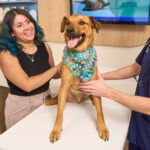
Can Dogs Get Colds?



Photo by fongleon356/iStock/Getty Images Plus
If your dog is sniffling and sneezing, you may ask yourself, “Can dogs get colds?”
While dogs cannot get the same colds as people do, they can experience the same bothersome symptoms due to infections, allergies, or nose issues, like growths or blockages.
If your dog has a cold with trouble breathing or extreme fatigue, take them to a vet immediately.
Key Takeaways
- Dogs don’t get the same colds that humans do, but they experience similar symptoms.
- Symptoms of a cold in dogs include sneezing, nasal discharge, and watery eyes.
- Dog colds may be treated with medications, rest, and good nutrition.
Can Dogs Get Colds?
No, dogs cannot get the same colds that people do. The viruses that cause the common cold only affect humans.
However, dogs can develop respiratory infections caused by bacteria or viruses that have similar symptoms, such as sneezing and runny noses, which you may hear called a “dog cold.”
If your dog experiences difficulty breathing or excessive lethargy with cold symptoms, take them to a veterinarian immediately.
Dog Cold Symptoms
Dogs with upper respiratory infections may experience the following symptoms:
- Sneezing
- Nasal discharge
- Watery eyes
- Coughing
- Lethargy
- Mild fever
- Pawing at face
Dog Cold Causes
Dogs experience respiratory symptoms for many reasons, including:
- Bacterial infections, such as Bordetella bronchiseptica
- Viral infections, such as canine adenovirus or influenza
- Fungal infections, such as nasal aspergillosis
- Exposure to environmental allergies, such as pollen or dust
- Foreign objects, such as a stuck blade of grass in the nose
- Nasal tumor
- Dental disease leading to oronasal fistula
Dog Cold Treatment
It can be difficult to determine whether your dog’s symptoms are from a cold or another condition. To start, think about when the symptoms first appeared.
For example, if your dog was running around in a field of weeds and comes home with watery eyes and has sneezing episodes, an environmental allergy may be to blame. Giving your dog a bath to remove allergens from their fur and keeping them indoors may help alleviate their symptoms.
But if your dog visits a dog park and later develops respiratory symptoms, an infection is more likely. A vet visit may be in order to resolve any symptoms.
If your dog is experiencing any type of upper respiratory symptom, always monitor for difficulty breathing and excessive lethargy. If these occur, take your dog to a veterinarian immediately.
When To Head to the Vet
If you notice your dog’s respiratory symptoms persist or worsen at home, reach out to a veterinarian for an appointment.
If symptoms are consistent with a dog cold, your veterinarian will try to determine the underlying cause through diagnostic testing, such as bloodwork or X-rays, or treat supportively to see if symptoms improve.
If symptoms persist despite treatment, more invasive testing—such as taking samples from your dog’s nose and airways—may be warranted.
To help your pup get better, a veterinarian may prescribe:
- Antibiotics, such as Clavamox
Recommended Product

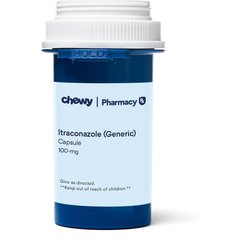
- Antifungals, such as itraconazole
Recommended Product
- Antihistamines, such as cetirizine
Recommended Product

In some cases, like when a dog has a serious nasal issue—such as an unusual opening between the mouth and nose (called an oronasal fistula) or a tumor—surgery might be needed to clear up their symptoms.
How Can I Help My Dog Feel More Comfortable?
To help your dog recover at home, give them a private, quiet spot with a cozy blanket or dog bed.
Recommended Products


A cool-air humidifier in their space can also break up any mucus and lubricate their nasal passages to improve symptoms.
Always keep fresh water accessible for your pet to stay hydrated while they recover. Consider getting your pup a water fountain, like the Casfuy PWS-140.
Recommended Product

Make sure they’re still eating, even if they’re not feeling well. Consider adding a couple spoonfuls of wet dog food to spike their appetite.
Recommended Products



It’s no fun having a cold—dog or human—but with a little time, rest, and care, your dog will be back to being king or queen of the dog park.
FAQs About Dogs and Colds
Can dogs get sick from humans?
No. The virus that causes colds in humans cannot infect dogs.
Is a dog cold contagious?
A dog cold can be contagious to other dogs if it is caused by an infection. However, dog colds that are caused by allergies or nasal abnormalities are not contagious.
Can you prevent colds in dogs?
Dog colds have a variety of underlying causes, so they can be difficult to prevent. However, keeping your dog up to date on vaccinations and routine vet visits can reduce their risk.
Do I need to take my dog to the vet if they have a cold?
If your dog is experiencing persistent respiratory symptoms, contact a veterinarian. Sometimes these symptoms need treatment, like when a bacterial infection is present.
Attributions