Sort
Filter
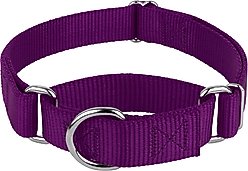
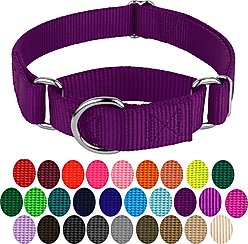

$14.79 Chewy Price
$17.50 List Price
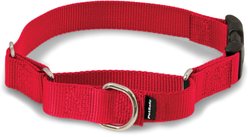
$5.99 Chewy Price
$9.99 List Price
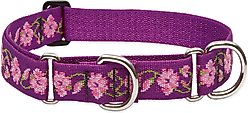
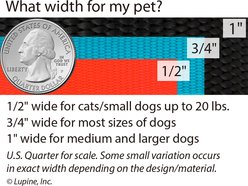
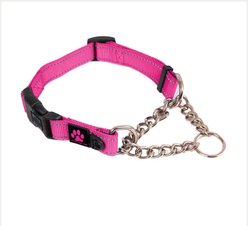
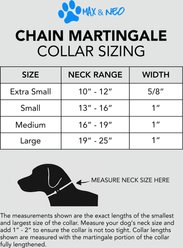
$17.99 Chewy Price
$26.99 List Price
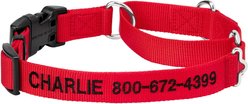
$15.65 Chewy Price
Autoship Price
- Personalized Item
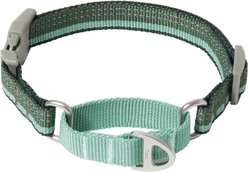
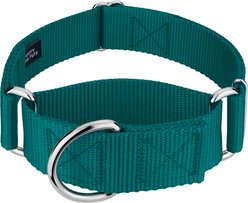
$15.97 Chewy Price
$18.97 List Price
New
$20.00 Chewy Price

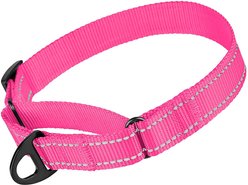

$35.99 Chewy Price
Autoship Price
- Personalized Item
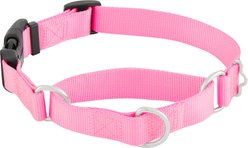
$8.99 Chewy Price
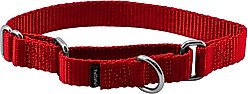
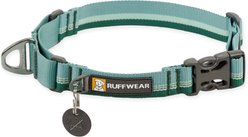
$24.94 Chewy Price

$14.50 Chewy Price
$17.50 List Price
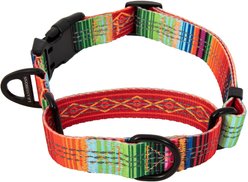
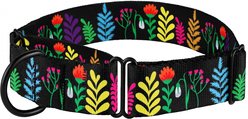
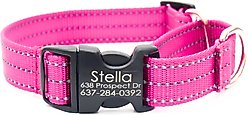
$38.99 Chewy Price
Autoship Price
- Personalized Item
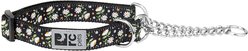
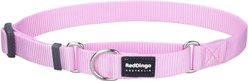
$7.95 Chewy Price
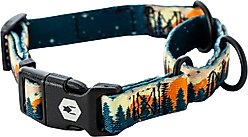
$29.99 Chewy Price
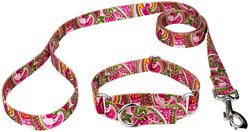
$18.97 Chewy Price
$21.97 List Price
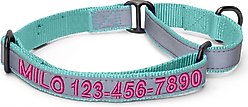
$21.99 Chewy Price
$27.99 List Price
Autoship Price
- Personalized Item
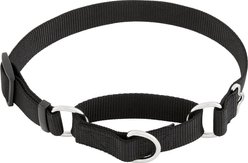
$8.99 Chewy Price
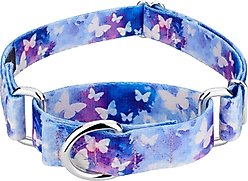
$14.50 Chewy Price
$15.97 List Price
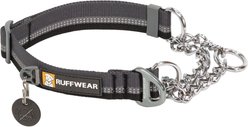
$29.11 Chewy Price
$18.99 Chewy Price
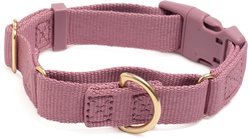
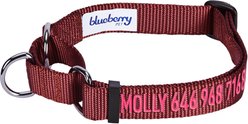
$20.99 Chewy Price
Autoship Price
- Personalized Item
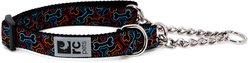
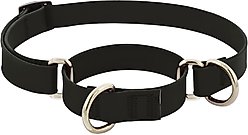
$17.15 Chewy Price
$19.79 List Price
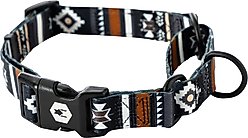
Martingale Dog Collars
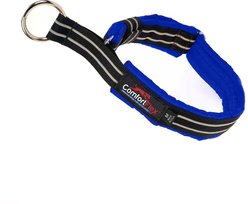
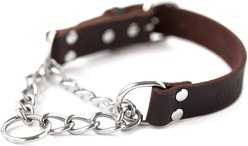
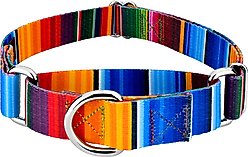
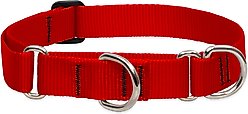
Martingale dog collars can be a helpful leash training tool for dogs who pull. Often recommended for dogs with narrow heads and larger necks - people sometimes call them no-slip or greyhound collars - they also provide a secure fit that helps prevent backing or slipping out of the collar. The design is simple, and there are two main types:
- Standard martingale collar: Usually made of webbed nylon or polyester, with a loop that tightens as your dog pulls
- Chain martingale collar: A similar design with a chain link loop - some find these tighten and relax more quickly
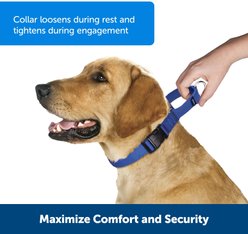
Martingale collars tighten every time your dog pulls - but unlike choke collars and most slip leads, they include a safety stop that prevents them from tightening too much. Most martingales are adjustable to help you get a custom fit, and some also include safety features like reflective material and custom ID text.
Frequently Asked Questions about Martingale Dog Collars
What are martingale dog collars?
Martingale dog collars are designed with a special loop that tightens the collar every time your dog pulls. The collar stays relaxed as long as your dog isn't trying to pull or slip out of the collar, and there's an adjustable safety stop that lets you set how much it can tighten. Good for dogs with smaller heads - like greyhounds and whippets, who often slip their collars - they can also be used to teach dogs not to pull on walks.
Are martingale collars good for dogs?
Martingale collars can be good for dogs when properly fitted and used correctly. They can be a good way to keep small-headed dogs from slipping a lead, and many prefer them to choke collars for training because they won't tighten too much when dogs pull. Ask your vet or trainer whether a martingale might be good for your dog.
Do vets recommend martingale dog collars?
Some vets recommend martingale dog collars for pups who can easily slip out of regular collars. Vets sometimes recommend them for training dogs who pull, too. However, many factors go into choosing the best collar for a dog, so talk to your vet or trainer for tailored guidance.
Will a martingale stop a dog from pulling?
A martingale can help stop some dogs from pulling, but it won't work for all dogs, and it is not a standalone solution. Martingale collars, like most leash training equipment, work best in conjunction with a consistent, directed training regimen. Talk to a trainer for expert guidance on the best way to train your dog not to pull.
Breed Size
Color Family
Closure Type
Lifestage
Collar Type
Features
Pattern
Brand
7 Brands are shown below