What Is Veterinary Dog Food and When Dogs Need It


Photo by Chewy
Veterinary dog food is formulated to support dogs with specific health conditions through targeted nutrition. Sometimes pet parents can meet a dog’s needs with over-the-counter foods, but veterinary dog foods can provide even greater benefits, such as reducing or even eliminating the need for medications or other types of treatment.
Here’s what to know about veterinary dog food and if it’s right for your pup.
Always speak with your veterinarian before changing your dog’s diet, especially if they are dealing with a health problem.
Key Takeaways
- Veterinary dog foods are designed to support dogs with diagnosed health conditions.
- These diets adjust nutrients or ingredients to help manage disease and symptoms.
- Veterinary approval is required to purchase prescription dog food.
- The best option depends on your dog’s specific medical needs.
What Is Veterinary Dog Food?
Veterinary dog foods, also called therapeutic or prescription diets, are formulated to support dogs with specific health needs. Some are formulated for long-term feeding, while others may only be recommended for shorter periods of use.
At the same time, veterinary dog food can help manage a particular health condition (food allergies, kidney disease, or arthritis, for example) because specific nutrients or ingredients are added, eliminated, or adjusted.
A veterinarian’s approval is necessary before purchasing a prescription dog food. Why? Giving these therapeutic foods to the wrong dog or without adequate monitoring can, at best, not help, and at worst, lead to new health problems.
Let’s look at the types of prescription dog foods a veterinarian might recommend.
Types of Veterinary Dog Food
Hypoallergenic Diet for Dogs
- Best for dogs with: food allergies, food sensitivities, inflammatory bowel disease (IBD)
- Studies show: Hypoallergenic diets can help manage food allergies in dogs, and improve gastrointestinal (GI) issues and inflammatory bowel disease.
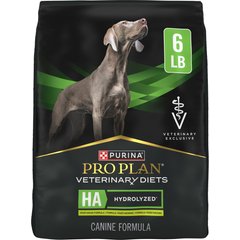
- How it helps: Veterinary diets specially formulated for food allergies avoid common allergens found in standard diets. They’re made from either a single, novel protein source; hydrolyzed proteins; or purified amino acids.
- Vet-recommended hypoallergenic dog food: Purina Pro Plan Veterinary Diets HA Hydrolyzed
Recommended Product
Weight Management Diet for Dogs
- Best for dogs with: obesity, overweight, weight-related health problems
- Studies show: Maintaining a healthy weight can reduce the risk of arthritis, cancer, and other obesity-related health problems.
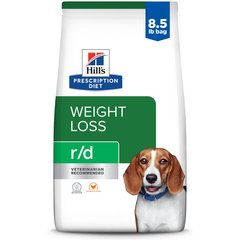
- How it helps: Veterinary weight management diets are formulated with increased fiber to promote satiety; moderate to high protein levels; specific amino acids to preserve muscle mass; and controlled amounts of fat and carbohydrate to reduce calories.
- Vet-recommended weight management dog food: Hill’s Prescription Diet r/d
Recommended Product
Joint Support Diet for Dogs
- Best for dogs with: arthritis, joint pain, hip dysplasia, age-related mobility issues
- Studies show: Diets enriched with omega-3 fatty acids, collagen, and other nutritional supplements can improve joint function and reduce inflammation.
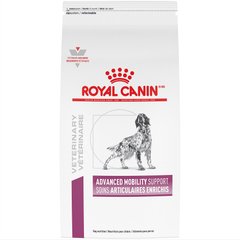
- How it helps: These diets contain nutrients that can reduce inflammation and support cartilage health, and often are relatively low in calories to help maintain a healthy weight, which reduces stress on joints.
- Vet-recommended joint support dog food: Royal Canin Veterinary Diet Adult Advanced Mobility Support Dry Dog Food
Recommended Product
Urinary Diet for Dogs
- Best for dogs with: bladder stones, urinary crystals, other urinary health concerns
- Studies show: Urinary health diets can help dissolve struvite bladder stones and reduce the occurrence of other types of stones.
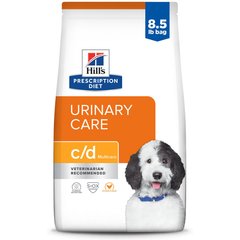
- How it helps: These diets help regulate urinary pH; reduce mineral concentrations in the urine; and increase water intake to dilute urine, and prevent crystal and stone formation. Wet food is often recommended for added hydration.
- Vet-recommended urinary health dog food: Hill’s Prescription Diet c/d Multicare
Recommended Product
Kidney Diet for Dogs
- Best for dogs with: chronic kidney disease, kidney insufficiency
- Studies show: Prescription kidney diets can help slow disease progression and improve a dog’s quality of life.
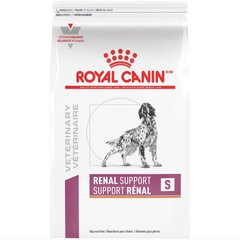
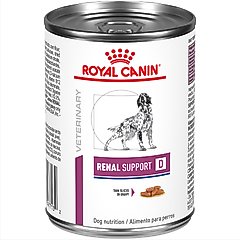
- How it helps: These diets contain reduced levels of phosphorus; moderate levels of high-quality protein; and essential fatty acids and antioxidants to support overall kidney function and health. Wet food is often preferred to prevent dehydration.
- Vet-recommended kidney support dog food: Royal Canin Veterinary Diet Renal Support
Recommended Products
Gastrointestinal Diet for Dogs
- Best for dogs with: diarrhea, constipation, vomiting, excessive gas
- Studies show: Specialized GI diets can help manage a wide variety of digestive disorders.
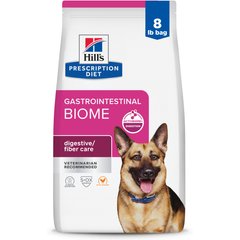
- How it helps: GI diets focus on digestibility, the gut microbiome, fat levels, and fiber content to support digestive health.
- Vet-recommended GI health dog food: Hill’s Prescription Diet Gastrointestinal Biome Chicken Flavor Dry Dog Food
Recommended Product
Brain Support Diet for Dogs
- Best for dogs with: cognitive dysfunction, memory loss, confusion
- Studies show: Diets rich in omega-3 fatty acids, medium-chain triglyceride oil, and antioxidants can help protect the brain from free radical damage and support cognitive function.
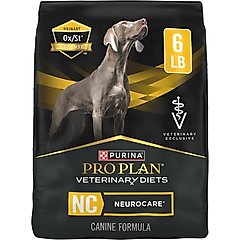
- How it helps: These diets contain brain-supporting nutrients that promote mental sharpness and support overall neurological health in dogs as they get older.
- Vet-recommended brain support dog food: Purina Pro Plan Veterinary Diets NC Neurocare
Recommended Product
Veterinary Diets for Other Conditions
- Liver health: Royal Canin Veterinary Diet Adult Hepatic Dry Dog Food
- Heart health: Purina Pro Plan Veterinary Diets CC CardioCare High Protein Chicken Flavor Dry Dog Food
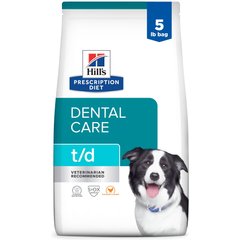
- Dental health: Hill’s Prescription Diet t/d Dental Care Chicken Flavor Dry Dog Food
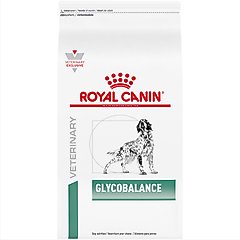
- Diabetes: Royal Canin Veterinary Diet Adult Glycobalance Dry Dog Food
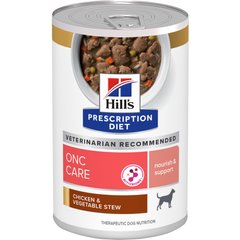
- Cancer: Hill’s Prescription Diet ONC Care Chicken & Vegetable Stew Wet Dog Food
- Recovery: Purina Pro Plan Veterinary Diets CN Critical Nutrition
- Skin health: Purina Pro Plan Veterinary Diets DRM Dermatologic Management Naturals Dry Dog Food
- Behavior: Royal Canin Veterinary Diet Adult Calm Small Breed Dry Dog Food
Veterinary diets are even available that tackle more than one health problem at a time (Hill’s Prescription Diet Multi-Organ Support Chicken Dry Dog Food, for example).
Recommended Products
What Is the Best Veterinary Dog Food?
The best veterinary dog foods have several things in common. All of them are:
- Made by reputable and experienced manufacturers
- Extensively tested to ensure they are safe and effective
- Made in facilities that follow rigorous safety and quality control measures
- Designed by board-certified veterinary nutritionists
Veterinarian-recommended dog foods include Hill’s Prescription Diets, Purina Pro Plan Veterinary Diets, and Royal Canin Veterinary Diets because they all meet these criteria—and vets have seen how effective they can be.
Is Veterinary Dog Food Right for My Dog?
Veterinary dog food may be appropriate if your dog has a health condition that can be managed through diet. Your veterinarian can help determine whether a prescription diet is necessary and which option best fits your dog’s needs.
FAQs About Veterinary Dog Food
Q: Where do you get prescription dog food?
A: Veterinary approval is necessary to buy a prescription dog food. You may be able to purchase products directly from your veterinarian, but online retailers like Chewy can reach out to your vet and get authorization before shipping the dog food directly to you.
Q: Is prescription dog food covered by insurance?
A: It depends. Some pet insurance policies cover prescription dog food and others do not. Contact your pet insurance company if you have questions about coverage.
Q: How do I transition my dog to veterinary dog food?
A: Unless your veterinarian has told you to make an immediate switch to a new food, it’s usually best to slowly transition dogs to a veterinary dog food. This can reduce the chances of stomach upset and food refusal.
Attributions
This content was medically reviewed by Tara Hansen, DVM, Chewy veterinarian.