How To Switch Your Pet’s Food

To ensure your pet is getting all the nutrients they need to thrive, your veterinarian might recommend a different food than what you’ve been serving up.
If you have a picky pet, changing your dog’s or cat’s food might seem daunting—but there are some steps pet parents can take to make the transition as smooth as possible.
Key Takeaways
- Switch your dog’s or cat’s food gradually over seven to 10 days.
- Start with 25% new food and increase slowly every two to three days.
- Sudden food changes can cause vomiting, diarrhea, and gas.
- Contact your veterinarian if your pet refuses food or shows digestive upset.
Why You Might Need To Switch Your Dog or Cat Food
You sometimes adjust your own diet to feel your best, right? The same goes for your pet—switching foods can help support their health as their needs change.
Your veterinarian may recommend changing your dog’s or cat’s food if:
- Your pet refuses their current food.
- Your pet enters a new life stage (for example, they switch from puppy food to adult dog food, or from adult cat food to a senior diet).
Recommended Products
- Your pet gets digestive upset from their current food, like vomiting, gas, diarrhea, or constipation.
- Your pet carries extra weight and needs a weight-loss food.
- Your pet has food allergies or sensitivities and may do better on a specialized/veterinary diet.
- Your pet shows signs like a dull hair coat or low energy, and you want to add nutrients (such as omega-3 fatty acids) to their diet.
- Your veterinarian diagnoses a health condition and recommends a specific diet as part of treatment.
- You or your veterinarian determines your pet’s current diet doesn’t meet their nutritional needs.
You might also switch foods if you want a recipe made and sourced in the United States or if your pet’s go-to food gets recalled or discontinued.
No matter the reason, keep your vet in the loop: Talk to your veterinarian before changing your pet’s diet, especially if your pet has ongoing health issues.
How To Transition Your Dog or Cat to a New Food
Here’s the main thing to remember when changing your dog’s or cat’s food: It should be a slow, gradual process.
While some pets can tolerate such an abrupt switch in their diet without much issue, other pets—especially those with a sensitive stomach—may develop issues including:
- Stomach upset
- Vomiting
- Diarrhea
- Increased gas
- Nausea
- Refusing to eat
Cats are notoriously picky and can be slow to accept dietary changes.
That’s why, to guarantee the best chance of a successful diet switch, it’s best to transition to the new food slowly. It should take about a week to completely switch from one food to another using the transition schedule below.
But remember: Each pet is unique, and some dogs and cats may need a longer transition period to adapt to the new food.
Ready to make the switch? Here’s how it’s done.
Step 1: 25% New Food / 75% Current Food

To start, mix a little bit of your pet’s new food into their current food—without increasing the overall amount of food given. Aim for a ratio of about 25% new food to 75% current food.
For example, if you feed your dog one cup of food daily, mix 1/4 cup of their new food into 3/4 cup of their current food.
Use a calibrated measuring cup to ensure you’re not overfeeding or underfeeding your pet during the transition.
Recommended Products
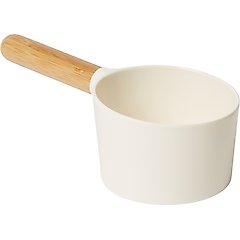
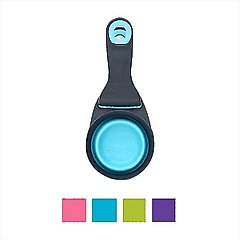
Serve this ratio for two to three days and monitor your pet for signs of GI distress like soft or loose stool, vomiting, and refusing to eat.
If your pet does have a negative reaction, return to their old diet for one week to allow their stomach to balance itself out. Then, try the process again with a smaller ratio of new food to old—maybe 15% or 10% this time.
If your pet seems normal—or, dare we hope, even happy about the change—continue to the next step.
Step 2: 50% New Food / 50% Current Food

Now, try a ratio of about half new food and half current food. Serve this to your pet for another two to three days and monitor them for negative reactions.
Return to their former diet for one week if issues do arise and go slower when you try again.
If your pet still seems normal, continue to the next step.
Step 3: 75% New Food / 25% Current Food

It’s time to up the ratio again—this time, with more new food than old.
Aim for about 75% new food to 25% old—so, using our previous example in which your pet eats one cup of food a day, you’ll mix 1/4 cup old food into 3/4 cup new food.
Monitor your pet on this diet for another two to three days, then move on if they’re adjusting well.
Step 4: Whole Bowl of New Food
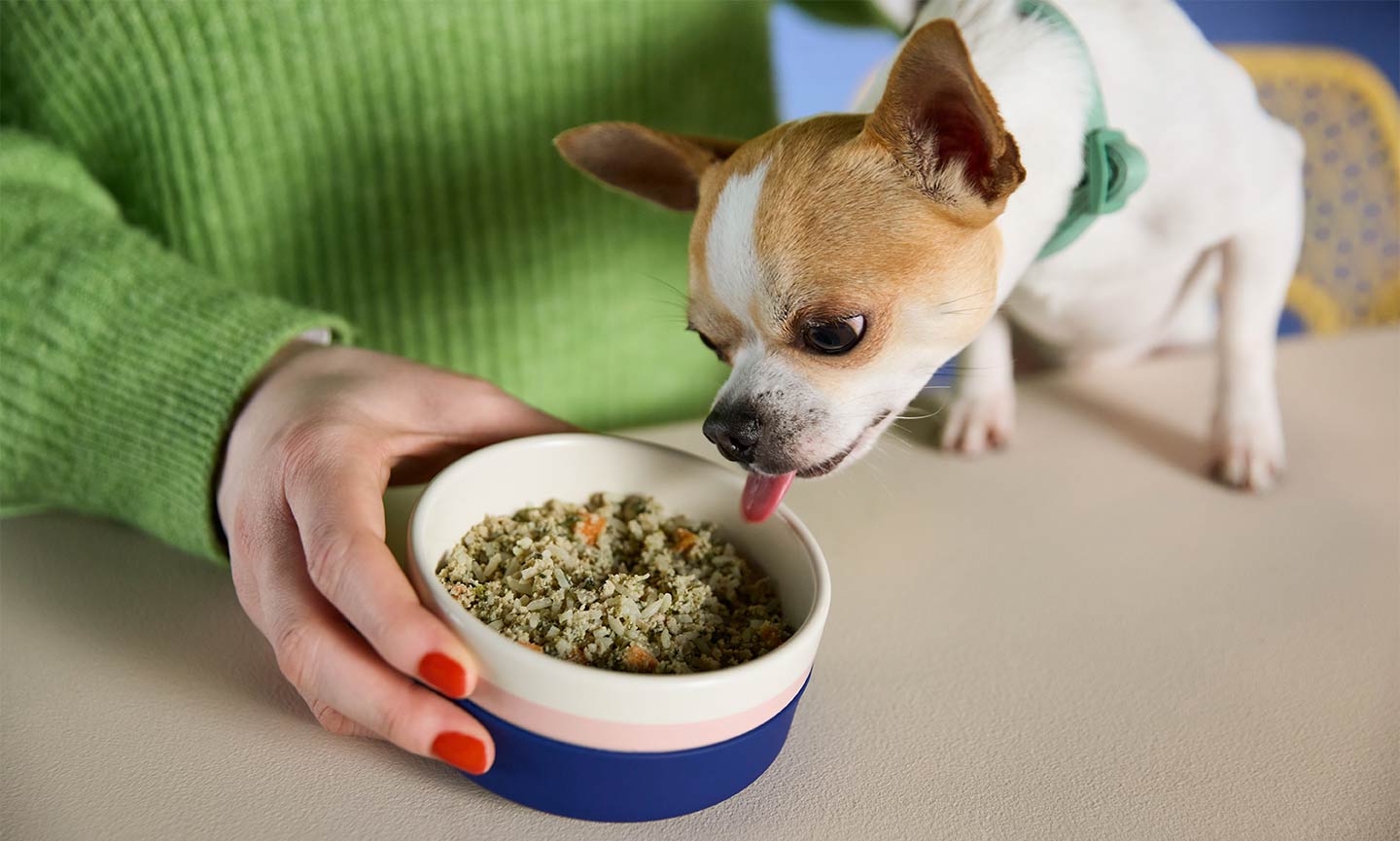
It’s finally time for their first all-new meal! Serve your pet’s regular portion of new food.
Assuming there are no negative reactions, your transition is complete. Congrats, you two!
Safety Tips and When To Call the Vet
Make sure your pet is eating throughout the transition. Cats can end up with serious health issues if they go without eating enough calories for more than a couple of days.
If your pet reacts negatively no matter how slowly you make the change, call your veterinarian. They can help determine whether the food itself is the issue or whether another medical concern may be involved.
How Do I Choose the Best Pet Food for My Dog or Cat?
Overall, the best dog food or cat food is determined by the health and nutritional needs of your pet—which is why your vet is your best resource when it comes to their diet.
Whatever you feed, make sure it’s labeled as complete and balanced per Association of American Feed Control Officials (AAFCO) guidelines. On the bag or can, look for an AAFCO nutritional adequacy statement (usually “complete and balanced” for a specific life stage).
Recommended Products
Armed with all this knowledge—and the expertise of your pet’s veterinarian—you can successfully navigate your pet’s new diet changes. Here’s to many happy and healthy meals to come!
FAQs About Switching Your Dog’s or Cat’s Food
How long should it take to switch a pet to a new food?
Most pets do best with a gradual transition over seven to 10 days. Pets with sensitive stomachs may need an even slower switch.
What happens if I change my pet’s food too quickly?
A sudden food change can trigger stomach upset, including vomiting, diarrhea, gas, or a drop in appetite. Slowing down the transition usually helps.
What if my pet refuses to eat the new food?
Go back to the previous mix ratio for a few days and try increasing the new food more slowly. If your pet skips meals—especially a cat—or seems unwell, call your veterinarian.
What should I do if my dog/cat gets diarrhea during a food switch?
Pause the transition and return to the last ratio your pet tolerated well for several days before trying again. Call your vet right away if diarrhea is severe, lasts more than a day or two, or you notice vomiting, lethargy, or blood.
Do I need to transition if I’m switching to the same brand but a different formula?
Usually, yes—recipes can still differ enough to upset your pet’s stomach. A shorter transition may work for some pets, but it’s safest to switch gradually.
Attributions