Kidney Failure in Dogs: Signs, Causes, and Treatment


Photo by Chewy
Kidney failure in dogs is a serious condition that happens when the kidneys can no longer filter effectively to perform their normal functions, including removing waste and conserving water.
Here’s what pet parents need to know about the signs, causes, treatment options, and how to support a dog with kidney disease.
If your dog shows signs such as increased thirst and urination or vomiting, contact your veterinarian. Some types of kidney failure can get worse quickly.
Key Takeaways
- Kidney failure in dogs occurs when the kidneys can no longer effectively perform their normal functions, including removing waste and conserving water.
- Common signs of kidney failure include increased thirst and urination, vomiting, lethargy, and loss of appetite.
- Kidney failure can be acute (sudden onset) or chronic (slow onset but long-lasting).
- Treatment depends on type and severity, but may include fluids, medications, and a prescription kidney diet.
What Is Kidney Failure in Dogs?
Kidney failure, also called renal failure, occurs when the kidneys have lost enough function that symptoms, like increased thirst and urination, begin to appear. It’s a more advanced stage of kidney disease in dogs, a broader term for any condition that affects how the kidneys work.
There are two main types of kidney failure in dogs:
- Acute kidney failure: This type comes on suddenly and worsens quickly, often due to toxin exposure, severe infection, or low blood pressure. With fast treatment, some dogs can recover. You may also hear veterinarians call this “acute kidney injury” (AKI).
- Chronic kidney failure (CKD): This form develops gradually over months or years and is most common in older dogs. While it can’t be cured, it can often be managed to help dogs maintain a good quality of life.
Signs of Kidney Failure in Dogs
Common signs of kidney failure in dogs include:
- Increased thirst and urination
- Lethargy and depression
- Loss of appetite
- Dehydration
- Vomiting, possibly containing blood
- Diarrhea, which may be dark and tarry
- Bad breath, sometimes with an ammonia-like odor
- Ulcers in the gastrointestinal tract
- High blood pressure
- Behavioral changes
- Weight loss and muscle wasting in chronic cases
As the disease advances, dogs may also develop anemia, blindness, difficulty breathing, seizures, abnormal bruising, and eventually lose the ability to produce urine.
What Causes Kidney Failure in Dogs?
It can be hard to identify the cause of chronic kidney failure. In many cases, it’s related to long-term wear and tear on the kidneys, or lasting damage from a previous episode of acute kidney injury.
Known causes of acute kidney injury include:
- Toxin ingestion, including antifreeze (ethylene glycol), grapes/raisins, and certain medications
- Bacterial infections, like leptospirosis and pyelonephritis
- Tick-borne diseases, including Lyme disease
- Severe dehydration
- Dangerously low or high blood pressure
- Immune system disorders, like immune-mediated glomerulonephritis or lupus
- Urinary obstruction from stones or blockages
- Cancer affecting the kidneys
- Abnormal kidney development
- Heatstroke
How Veterinarians Diagnose Kidney Failure in Dogs
To identify kidney failure, a veterinarian will look at your dog’s health history and clinical signs. They’ll then perform a physical exam and some diagnostic testing. Your vet may recommend:
- Blood chemistry panel: Measures kidney-related values like blood urea nitrogen (BUN), creatinine, phosphorus, and potassium, as well as evaluating a dog’s overall health
- SDMA assay: A sensitive biomarker that can detect kidney dysfunction earlier than other kidney values
- Complete blood count (CBC): Checks for anemia, signs of infection, and more
- Urinalysis and urine culture: Evaluates urine protein levels, the kidneys’ ability to produce concentrated urine, and can diagnose infection
- Blood pressure measurement: Potentially dangerous changes in blood pressure are common with kidney failure
- Abdominal X-rays and/or ultrasound: Allows visualization of kidney size, structure, and other health problems
Stages of Kidney Failure in Dogs
The International Renal Interest Society (IRIS) has developed classification systems that help veterinarians understand how advanced a dog’s kidney disease is—and guide the best treatment plan. In general, higher stages mean more severe disease and a greater need for medical support.
The IRIS Acute Kidney Injury Grading System is based primarily on a dog’s creatinine level:
- Grade I: Creatinine is normal, but subtle changes in other values may be noted
- Grade II: Mildly elevated creatinine
- Grades III–V: Progressively more elevated creatinine levels
The IRIS Chronic Kidney Failure Staging System uses a combination of lab values (like creatinine and SDMA levels) and clinical signs:
- Stage 1: Mildly decreased kidney function, with most lab values still appearing normal; dogs usually have no or very mild symptoms
- Stage 2: Mildly increasing in SDMA and/or other values; subtle signs like increased thirst may begin to appear
- Stage 3: Moderate increases in SDMA and creatinine; clinical signs are usually present
- Stage 4: Severe kidney failure; dogs are often very sick and require aggressive treatment
How To Treat Kidney Failure in Dogs
Treatment for kidney failure depends on the underlying cause and how severely affected a dog is.
Acute Kidney Failure
Acute kidney injury is a medical emergency requiring hospitalization. Treatment may include:
- IV fluid therapy to correct dehydration, improve blood flow to the kidneys, and support the removal of waste products through increased urine production
- Medications to manage symptoms, including anti-nausea drugs, stomach protectants, and blood pressure medications as needed
- Treatment for the underlying cause, such as toxin treatments, antibiotics, or surgery, depending on what triggered the condition
- Advanced therapies, such as hemodialysis, when available and appropriate
Chronic Kidney Failure
There is no cure for chronic kidney failure, but good management can slow the disease’s progression and improve a dog’s quality of life. Treatment often includes:
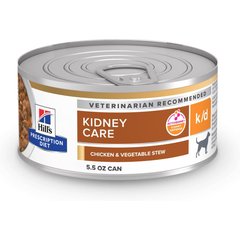
- Prescription kidney diets that are lower in phosphorus and sodium and higher in potassium and omega-3 fatty acids; canned foods, like Hill’s Prescription Diet k/d Kidney Care, are often recommended for their high moisture content
Recommended Product
- Subcutaneous fluids given under the skin to boost hydration
- Phosphate binders like Epakitin help lower blood phosphorus levels
Recommended Product

- Blood pressure medications such as enalapril can help manage hypertension and reduce protein loss through the kidneys
Recommended Product
- GI medications like omeprazole, sucralfate, and Cerenia to help manage ulcers, nausea, or vomiting
Recommended Products

- Potassium supplements such as Renal K+ to restore low potassium levels
Recommended Product

- Anemia treatments if red blood cell levels drop too low
Dogs with CKD need close veterinary monitoring so their treatment can be adjusted as their condition changes.
How Can I Help My Dog Feel More Comfortable?
Keeping your dog’s routine as normal as possible is important, but some extra measures can support their comfort and well-being:
- Encourage hydration by keeping multiple clean water bowls or water fountains available.
Recommended Products


- Stick to their prescribed diet and avoid unapproved treats or table scraps that could derail your dog’s diet.
- Use elevated bowls to make eating and drinking more comfortable, especially for larger or older dogs.
Recommended Product

- Provide an orthopedic dog bed to give extra support and comfort for dogs who spend more time resting.
Recommended Product

How To Prevent Kidney Failure in Dogs
While not all cases of kidney failure are preventable, there are still things you can do to reduce your dog’s risk.
- See your veterinarian regularly. Signs of early kidney disease can be subtle, and your veterinarian can help you catch problems early.
- Stay current on vaccines and parasite prevention. Vaccine-preventable and tick-borne diseases can lead to kidney disease.
- Manage chronic conditions. Keeping blood pressure, urinary tract infections, and other health problems under control helps protect kidney health.
- Keep toxins out of reach. Antifreeze, grapes and raisins, human and pet medications, and other toxins can all be dangerous.
- Keep your dog hydrated. Your dog should always have access to fresh water.
FAQs About Kidney Failure in Dogs
What toxins cause kidney failure in dogs?
Common toxins that can damage a dog’s kidneys include antifreeze (ethylene glycol), grapes and raisins, NSAIDs like ibuprofen or naproxen, vitamin D rodenticides, and some antibiotics.
If you suspect that your dog has been exposed to a toxin, contact your vet or the Pet Poison Helpline (855-764-7661) immediately.
What’s the difference between kidney failure and kidney disease?
Kidney disease is an umbrella term for any condition that affects the kidneys.
Kidney failure is a more advanced state where the kidneys can’t perform their normal functions well enough to prevent symptoms like increased thirst and urination from developing.
Can dogs recover from kidney failure?
Dogs with acute kidney failure have the best chance of recovery if treatment starts quickly and the cause is reversible. Chronic kidney failure cannot be cured, but many dogs live comfortably for months to years with proper management.
Is kidney failure fatal in dogs?
Acute kidney failure can be fatal, particularly when caught late or when the underlying cause can’t be resolved. Chronic kidney failure is progressive and can’t be reversed, but early detection and treatment can significantly extend a dog’s lifespan.