How To Keep Dogs and Cats Calm During Fireworks

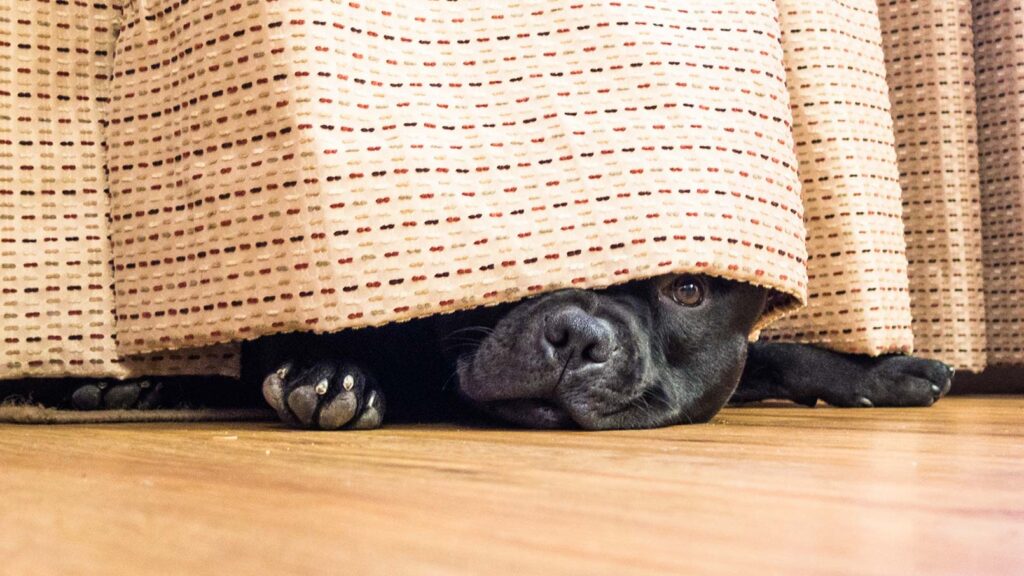
Photo by CBCK-Christine/iStock/Getty Images PLus
Fireworks can feel unpredictable and scary to pets, but a little preparation can make the night easier. Use these vet-reviewed strategies to reduce noise, limit escape risks, and help dogs and cats settle in a safe indoor space.
Key Takeaways
- Create a quiet indoor space with familiar bedding, covered windows, and comforting background noise.
- Walk dogs before fireworks start and keep cats securely indoors.
- Stay calm, offer comfort, and avoid forcing interaction when your pet is scared.
- Talk to your vet ahead of time if your pet has severe noise anxiety.
Create a Cozy Safe Space
Set up a quiet, familiar area idoors with your pet’s bed, their favorite blanket, or a crate they already enjoy. Close windows and curtains to soften sound and light.
Recommended Products



Stay Close and Calm
Your presence is powerful. Speak gently, move slowly, and offer comfort without forcing interaction. Watch your dog’s and cat’s body language for cues about whether they need space. When you stay calm, it helps your pet feel like everything is under control.
Play Calming Sounds
White noise, soft music, or the TV can help mask the booms and create a more predictable environment.
Recommended Products


Keep Routines Steady
When possible, stick to your pet’s normal feeding, walking, and play schedules. Familiar routines offer reassurance when the world feels loud and unfamiliar.
Offer Enrichment, Not Pressure
For dogs, puzzle toys, lick mats, or favorite treats can provide gentle distraction.
Recommended Products
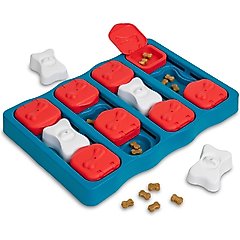


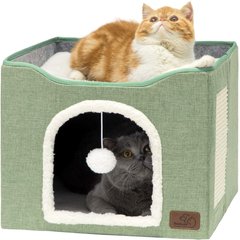
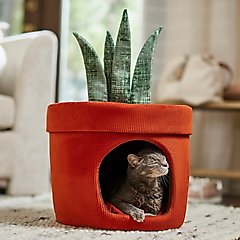
For cats, quiet play or access to hiding spots lets them cope in their own way.
Recommended Products

Plan Outdoor Time Carefully
Walk dogs earlier in the day before fireworks start, and keep cats safely indoors.
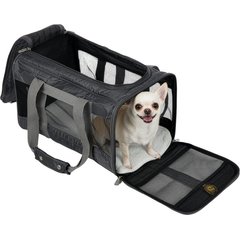
Use secure leashes, harnesses, or carriers to prevent escape if noises start suddenly.
Recommended Products

Practice Patience
Behaviors like hiding, pacing, or vocalizing aren’t misbehavior—they’re expressions of fear. Responding with patience and understanding helps build trust when your pet needs it most.
Consider Extra Support
Some pets benefit from vet-recommended calming solutions when anxiety runs high. Talk to your vet about the best calming strategies for your dog or cat.
Attributions