Kitten Spay Surgery: When It’s Time and What To Expect

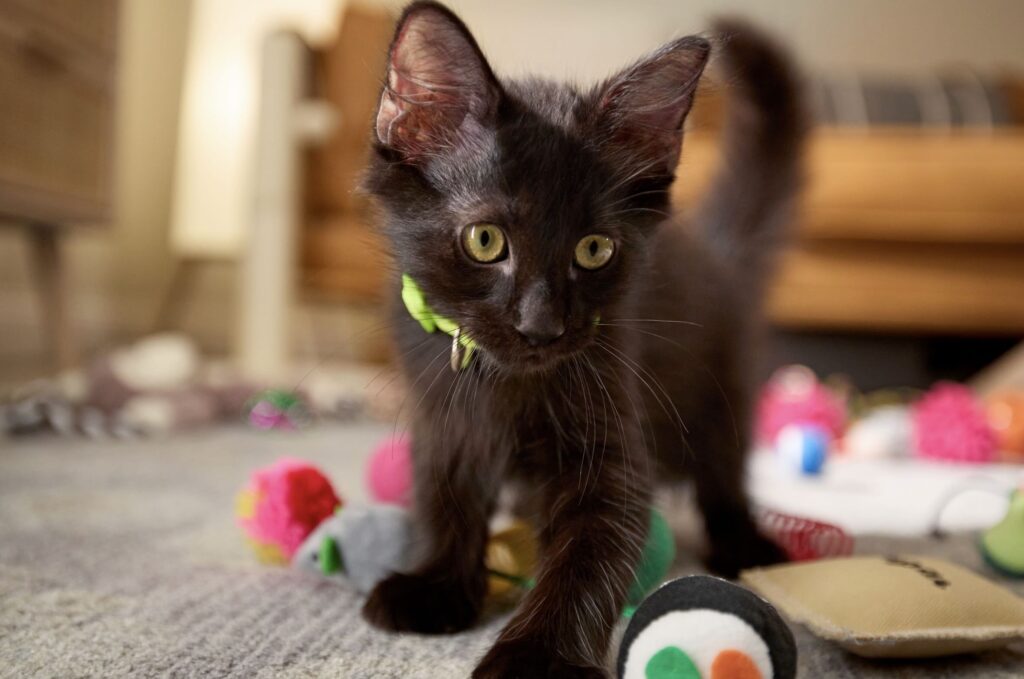
Photo by Chewy
Adopting a new kitten is an exciting time!
While you’re picking out new toys and accessories, it’s important to also consider what’s best for your kitten’s health. At your kitten’s first checkup, your veterinarian will speak with you about scheduling a spay surgery.
Here’s what to know about your kitten’s spay, including how to prepare, what happens during the procedure, and what you can expect during recovery.
Key Takeaways
- Spaying your kitten prevents unplanned pregnancies and can help protect her from certain health issues.
- Most kittens should be spayed before their first heat cycle, ideally by 4–5 months of age.
- After surgery, your kitten will need a quiet place to rest, a recovery cone or suit, and plenty of TLC while she heals.
- Most kittens recover from spay surgery within 10–14 days, but call your vet if you notice swelling, bleeding, or other concerning symptoms.
What Is Kitten Spay Surgery?
A kitten spay is a surgery that removes your cat’s ovaries and usually her uterus. This surgery prevents your kitten from becoming pregnant.
When Should You Spay a Kitten?
Pet parents should schedule a spay for their kitten before her first heat cycle, ideally by 4 to 5 months of age.
Your veterinarian can advise you on when to schedule your kitten’s spay.
What Are the Benefits of Spaying a Kitten?
The benefits of spaying a kitten generally outweigh the risks or potential complications.
Benefits of spaying your kitten include:
- Reduced risk of reproductive cancers: Removing the ovaries eliminates the risk of ovarian cancer, and removing the uterus eliminates the risk of uterine cancer. Spaying before the first heat cycle also greatly reduces the risk of mammary cancer.
- No risk of unplanned pregnancy: Spaying protects your kitten against unplanned pregnancies, which can contribute to cat overpopulation.
- Increased lifespan: Cats who are spayed generally have longer lifespans than those who are not.
- Prevention of uterine infections: Removing the uterus prevents infections like pyometra. Spaying that removes only the ovaries also prevents the hormonal cycles that typically lead to pyometra.
- Reduced heat-related behaviors: Hormonal behaviors, such as yowling, roaming, and irritability, are reduced or eliminated after a spay.
How To Prepare for Your Kitten’s Spay Surgery
Ask your vet what you need to do to get ready for your kitten’s spay surgery.
Your veterinarian will likely make the following recommendations:
- Follow your veterinarian’s instructions about withholding food and water before surgery. They need an empty stomach before surgery.
- Arrive at the veterinary clinic at the scheduled time for your kitten’s drop-off. Make sure your kitten is in a secure carrier.
- Let the veterinary staff know of any questions or concerns.
What Happens During Kitten Spay Surgery?
While it’s normal for a pet parent to be worried about surgery, spaying is a common procedure with a low risk of serious complications in healthy cats. However, as with any surgery requiring general anesthesia, some risk remains. The risk of a cat having a serious complication, including a fatal one, from a spay is extremely low (0.05%).
Here’s what generally happens during your cat’s procedure:
- Injectable medications are given to help your kitten relax.
- A small area of fur may be shaved on your kitten’s leg so that an intravenous catheter can be placed for fluid administration, anesthesia, and emergency medications.
- Anesthesia is administered to make your cat unconscious and pain-free during surgery.
- A breathing tube is placed into your kitten’s windpipe to deliver oxygen and inhaled anesthesia during the procedure.
- Your kitten’s belly will be shaved and scrubbed clean.
- A small incision is made on your kitten’s belly, and her ovaries and usually her uterus are removed.
- The incision is stitched closed, and your kitten is monitored as she wakes up.
How To Care for Your Kitten After Spay Surgery
Your kitten’s recovery depends on you, and you’ll need to keep a few things in mind to make sure that she is on the mend soon.
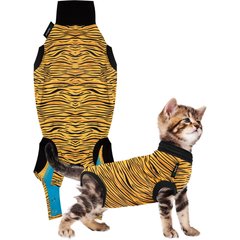
- Buy a recovery cone to prevent your kitten from licking her incision. Keep it on as directed by your veterinarian throughout recovery. Some cats may prefer a recovery suit.
Recommended Products



2. Bring a cat carrier with a blanket to keep your kitten comfortable on the ride home from surgery.
Recommended Products


3. Prepare a private, quiet space at home with a cozy bed or blanket to help your cat rest after surgery.
Recommended Products


4. Remove access to elevated furniture, like cat trees, to prevent your cat from jumping.
Following surgery, your kitten may be sleepier and eat less during the first 24 hours as the anesthesia wears off. Her energy level and appetite should begin returning to normal by the following day.
Recovery from spay surgery typically takes 10–14 days. Keep your kitten calm and discourage her from running or jumping. Follow your veterinarian’s instructions for any follow-up examination to ensure the incision is healing appropriately.
Signs You Need To Call Your Vet
After spay surgery, watch your kitten closely for signs that you should contact a veterinarian as soon as possible.
These signs may include:
- Discharge or bleeding from the incision
- Opening of the incision
- Signs of significant pain, such as trembling, difficulty moving, or whimpering
- Swelling of the belly or significant swelling around the incision
- Pale gums
- Persistent vomiting, refusal to eat, or extreme lethargy
If you notice any of these signs, call your veterinarian right away or take your kitten to the emergency vet.
FAQs About Kitten Spay Surgery
Can a kitten be spayed while in heat or pregnant?
Yes, a kitten can be spayed while in heat or pregnant. However, there is an increased risk of complications, such as bleeding. Your vet can advise you whether it is appropriate to proceed with the spay or wait.
How much does kitten spay surgery cost?
It depends. The cost of kitten spays varies depending on where you live and whether your cat is currently pregnant or in heat. However, pet parents can expect to pay around $200–$600 for a spay procedure.
What if you cannot afford to spay your kitten?
Ask your vet about CareCredit, payment plans, low-cost community clinics, and any other options.
How long does kitten spay surgery recovery take?
Recovery usually takes 10–14 days.