Heart Disease in Cats: Signs, Causes, and Treatment

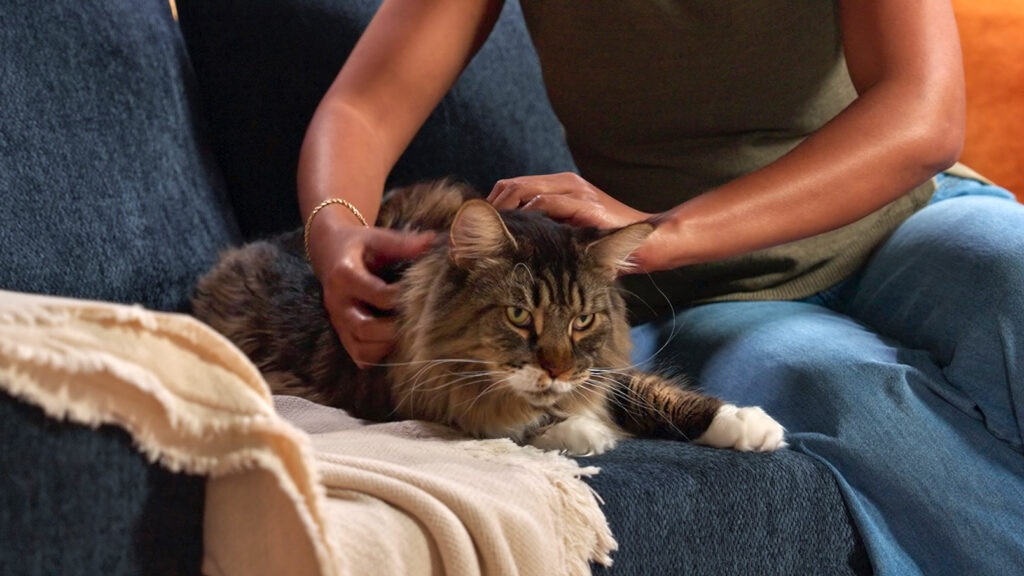
Photo by Chewy
Heart disease in cats can be difficult to detect early. Many cats show few, if any, obvious symptoms during the early stages, and some may have heart disease for years before it causes noticeable problems.
Heart disease does not necessarily mean heart failure. Heart failure develops when heart disease progresses to the point that the heart can no longer pump blood effectively, often causing fluid to build up in or around the lungs.
From signs to treatment, here’s what to know about heart disease in cats.
Key Takeaways
- Heart disease in cats includes several conditions that affect the heart’s structure or function, and some cats may have few or no obvious signs early on.
- Hypertrophic cardiomyopathy (HCM), which causes abnormal thickening of the heart muscle, is the most common type of heart disease in cats.
- Signs of heart disease can include rapid or difficult breathing, weakness, lethargy, and reduced appetite, but symptoms vary by condition and severity.
- Labored or open-mouth breathing, collapse, or sudden pain, weakness, or paralysis in the back legs is an emergency and requires immediate veterinary care.
What Is Heart Disease in Cats?
Heart disease in cats refers to conditions that affect the heart’s structure or its ability to function normally.
Many cats with early heart disease have few or no obvious symptoms. That’s one reason routine veterinary exams are so important.
Heart Disease vs. Heart Failure
It’s also important to understand the difference between heart disease and heart failure.
Heart disease refers to changes in the heart itself. Heart failure develops when those changes become severe enough that the heart can no longer pump blood effectively, often causing fluid to build up in or around the lungs, abdomen, or the sac around the heart.
Types of Heart Disease in Cats
Veterinarians classify feline cardiomyopathies (heart disease) based largely on the structural and functional changes seen within the heart.
Hypertrophic Cardiomyopathy (HCM)
HCM is the most common feline cardiomyopathy and is estimated to affect about 15% of cats overall.
With HCM, the muscular wall of the left ventricle becomes abnormally thickened, interfering with its ability to relax and fill normally between heartbeats.
Over time, HCM can increase the risk of congestive heart failure, abnormal heart rhythms, and blood clots.
Restrictive Cardiomyopathy (RCM)
RCM occurs when abnormal fibrous or scarlike tissue interferes with the heart’s ability to relax and fill properly.
RCM can eventually lead to congestive heart failure or increase the risk of blood clots.
Dilated Cardiomyopathy (DCM)
With DCM, the heart’s pumping chambers become enlarged and the heart muscle contracts poorly.
DCM was once much more common in cats because of its association with taurine deficiency. Because commercial cat foods are now routinely supplemented with taurine, taurine-deficiency DCM has become much less common.
Taurine deficiency can still occur, particularly when cats are fed nutritionally incomplete or unbalanced diets.
Congenital Heart Disease
Some kittens are born with structural abnormalities of the heart. These are known as congenital heart defects.
Examples include:
- Ventricular septal defects (VSD), which create an abnormal opening between the lower chambers of the heart
- Patent ductus arteriosus (PDA), in which a fetal blood vessel fails to close normally after birth
- Abnormal development of heart valves, such as mitral or tricuspid valve dysplasia
- Narrowing of areas where blood exits the heart, such as pulmonic or aortic stenosis
What Causes Heart Disease in Cats?
There isn’t always a single identifiable cause of cat heart disease. Known causes and risk factors include:
- Genetics: Inherited mutations associated with HCM have been identified in certain cat breeds, including Maine Coons and Ragdolls.
- Breed: HCM is reported more frequently in breeds including Maine Coons, Ragdolls, British Shorthairs, Persians, Bengals, and Sphynx cats, among others.
- Congenital abnormalities: Some structural heart defects develop before birth.
- Nutrition: Taurine deficiency can cause DCM, although this is now uncommon in cats eating nutritionally complete commercial cat food.
- High blood pressure: Systemic hypertension can cause thickening of the heart muscle that may resemble HCM.
- Hyperthyroidism: Excess thyroid hormone can cause significant cardiovascular changes, including thickening of the heart muscle.
- Sex: Male cats appear to have a higher risk of HCM.
Signs of Heart Disease in Cats
One of the challenges with feline heart disease is that cats may appear completely healthy during its early stages. Some cases are first suspected when a veterinarian detects a heart murmur or abnormal rhythm during a routine examination.
When signs of heart disease in cats do occur, they may include:
- Rapid breathing, especially while resting or sleeping
- Increased effort when breathing
- Lethargy or sleeping more than usual
- Weakness
- Decreased appetite
- Hiding or becoming less social
- Reduced interest in playing or jumping
- Collapse or fainting
- Sudden weakness, pain, or paralysis of one or both back legs
When Is Heart Disease in Cats an Emergency?
Some heart problems in cats require immediate veterinary care. Go to an emergency veterinarian right away if your cat has:
- Labored or difficult breathing
- Rapid breathing, when awake or asleep
- Open-mouth breathing or panting
- Blue, gray, or very pale gums
- Collapse or loss of consciousness
- Severe weakness
- Sudden inability to use one or both back legs
- Sudden, severe pain or vocalization associated with hind-leg weakness
- Back legs or paws that suddenly feel unusually cold
Sudden hind-leg pain or paralysis may indicate arterial thromboembolism, sometimes called a saddle thrombus. A blood clot forms within the heart and travels through the bloodstream, where it can block blood supply to the hind limbs. This is extremely painful and requires emergency treatment.
Less urgent changes, such as gradually decreasing activity or reduced appetite, should still prompt a call to your veterinarian.
How Is Heart Disease in Cats Diagnosed?
If your veterinarian suspects your cat has heart disease, they’ll start with a physical exam and ask about your cat’s symptoms and medical history.
To diagnose heart disease, your veterinarian may recommend one or more of the following tests:
- Physical exam
- Blood pressure measurement
- Chest X-rays
- Echocardiogram (heart ultrasound)
- Electrocardiogram (ECG)
- Blood work
The results of these tests help your veterinarian determine the type of heart disease your cat has and the most appropriate treatment plan.
Cat Heart Disease Treatment
Cat heart disease treatment depends on the specific condition, how advanced it is, and whether complications such as congestive heart failure or blood clots have developed.
Not every cat diagnosed with heart disease needs medication immediately. Cats with mild or subclinical disease may simply need regular monitoring.
Treatment may include:
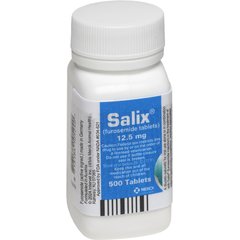
- Managing congestive heart failure: Cats with congestive heart failure typically need diuretics to help remove excess fluid. Severe cases may require hospitalization, oxygen therapy, injectable medications, or removal of fluid from around the lungs.
Recommended Product
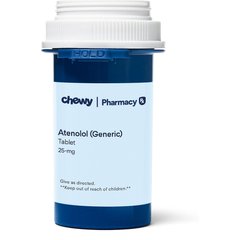
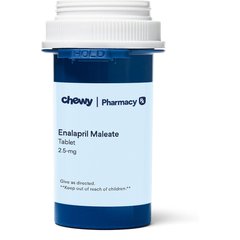
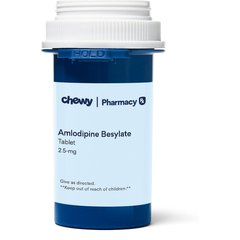
- Supporting heart function: Depending on the type of heart disease and the individual cat’s heart function, additional cardiac medications may be recommended, such as atenolol, enalapril, Varenzin-CA1, and amlodipine.
Recommended Products
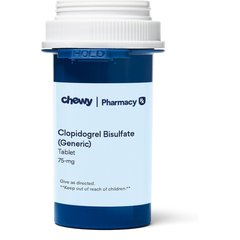
- Reducing blood-clot risk: Cats with significant risk factors for blood clots may be prescribed antithrombotic medication, like clopidogrel, to reduce the risk of blood clot formation. The appropriate medication or combination depends on the individual cat’s risk and medical history.
Recommended Product
- Treating underlying disease: When heart changes are associated with another condition, such as hyperthyroidism or hypertension, treating that condition is an important part of managing the heart.
Cats taking heart medications usually require ongoing veterinary monitoring. Follow-up may include blood pressure checks, kidney values and electrolyte testing, chest X-rays, or repeat echocardiograms.
Can Heart Disease in Cats Be Prevented?
Many forms of heart disease in cats, especially inherited conditions like hypertrophic cardiomyopathy (HCM), can’t be prevented. However, routine veterinary care can help detect heart problems before a cat becomes seriously ill.
To help support your cat’s heart health:
- Schedule regular veterinary wellness exams.
- Feed a complete and balanced diet that’s appropriate for your cat’s life stage.
- Work with your veterinarian to diagnose and manage conditions such as hypertension and hyperthyroidism.
- Ask your veterinarian about cardiac screening if your cat has a heart murmur or belongs to a breed at increased risk for HCM.
Most importantly, know what’s normal for your cat. Subtle changes in breathing, appetite, activity, or behavior may be the first sign that something isn’t right.
FAQs About Heart Disease in Cats
What are the early signs of heart disease in cats?
Many cats with early heart disease have no noticeable symptoms. When signs do occur, subtle changes such as reduced activity, hiding, decreased appetite, or an increasing resting respiratory rate may be noticed first.
Can a cat have heart disease without a heart murmur?
Yes. Some cats with significant heart disease do not have a detectable murmur, and having a murmur does not always mean a cat has structural heart disease.
What cat breeds are more prone to heart disease?
Maine Coons and Ragdolls have known inherited HCM-associated mutations, and HCM is also reported more frequently in breeds including British Shorthairs, Persians, Bengals, Sphynx, Norwegian Forest Cats, and others. However, any cat, including mixed-breed cats, can develop heart disease.
Is heart disease painful for cats?
Heart disease itself is not typically considered painful, although complications can cause significant distress. Arterial thromboembolism, or saddle thrombus, can cause sudden and severe pain and is a medical emergency.
How long can a cat live with heart disease?
Life expectancy varies considerably depending on the type and severity of heart disease and whether complications develop. Some cats with mild or subclinical disease live for many years or a normal lifespan, while congestive heart failure or arterial thromboembolism generally carries a more guarded prognosis.
Attributions