Why Is My Cat Shaking? Causes and When To Call a Vet

Photo by Chewy
“Why is my cat shaking?” is one of those questions that can mean a lot of different things. One cat is shaking because they’re nervous. Another is trembling because they’re in pain. Still another is twitching in their sleep because of a dream. And then there’s the cat who freaks you out with full-body tremors after getting into something toxic.
Cat shaking can be mild and temporary—or it can be your first sign that something is wrong. The trick is paying attention to what the shaking looks like, when it happens, what your cat is doing at the same time, and whether there are underlying health problems.
If your cat is shaking suddenly, shaking repeatedly, can’t walk normally, seems weak, is vomiting, may have gotten into a toxin, or is having trouble breathing, contact your veterinarian right away.
Key Takeaways
- Cat shaking can be caused by stress, fear, cold, pain, fever, low blood sugar, toxins, ear problems, or neurological conditions.
- Sudden full-body shaking, repeated tremors, weakness, vomiting, trouble walking, or possible toxin exposure should be treated as urgent. Cats fitting these descriptions should see a veterinarian immediately.
- Head shaking is often linked to ear discomfort, such as ear mites, ear infections, allergies, or something stuck in the ear.
- A video of the shaking episode can tremendously help your vet understand what’s happening.
Why Is My Cat Shaking?
Cats can shake for many reasons—from normal behaviors like sleep twitching or being cold to issues like pain, ear problems, illness, toxin exposure, or a possible seizure.
“Cat shaking” isn’t a diagnosis—it’s a symptom your vet interprets alongside things like temperature, pain, ear health, blood sugar, and a neurological exam. Even nervous system disorders are just one piece of the puzzle.
Some shaking is normal (like brief shivering when cold or small sleep twitches). But shaking that’s sudden, repeated, intense, or paired with signs like hiding, weakness, vomiting, poor appetite, or trouble walking isn’t normal—and should be checked by your veterinarian.
Common Reasons Cats Shake
Most cat shaking falls into a few big buckets: cold, fear, pain, illness, toxin exposure, ear discomfort, or a neurological problem. That sounds like a long list because, well, it is. Cats are small, private creatures, and they don’t always give us obvious clues.
- Cold or shivering: You might see mild, whole-body shivers, curling up, or your cat seeking warmth. If it stops once they’re warm and they’re acting normal, this is usually OK to monitor.
- Stress, fear, or anxiety: Trembling can happen during travel, vet visits, loud noises, or changes at home. Try to reduce the stressor; if it keeps happening or seems intense, it’s worth a vet check.
- Pain or injury: Look for shaking along with hiding, limping, vocalizing, or not wanting to be touched—this is a good reason to call your vet.
- Fever or illness: Shaking with low energy, poor appetite, warm ears or paws, vomiting, or diarrhea should be checked by your vet.
- Low blood sugar: Weakness, wobbliness, trembling, or collapse (especially in kittens or diabetic cats) can get serious quickly—seek care right away.
- Toxin exposure: Sudden tremors, drooling, vomiting, seizures, weakness, or collapse can signal poisoning—treat this as urgent and get help immediately.
- Ear problems: Head shaking, scratching, debris, odor, redness, or a head tilt usually means your cat should see the vet.
- Neurological issues: Tremors, twitching, balance problems, weakness, or seizure-like episodes are not normal—have your vet take a look as soon as you can.
Is Cat Shaking an Emergency?
Cat shaking can be an emergency, especially when it starts suddenly, involves the whole body, happens repeatedly, or comes with other signs of illness.
Call your veterinarian right away if your cat has:
- Possible toxin exposure, including flea and tick medication for dogs, human medication, cannabis, lilies, rodenticides, insecticides, essential oils, or household chemicals
- Trouble breathing
- Repeated or violent tremors
- Weakness, collapse, or severe lethargy
- Trouble walking, falling over, or a wobbly gait
- Seizure-like activity
- Vomiting, diarrhea, or drooling with shaking
- Pale, blue, or gray gums
- Signs of pain, such as crying, hiding, growling, limping, or guarding part of the body
- Shaking after trauma, a fall, a fight, or being hit by something
- Shaking in a kitten, senior cat, or diabetic cat
- Shaking with not eating
Head to an emergency vet or call animal poison control—like the Pet Poison Helpline (855-764-7661) if you suspect a toxin. If you recently applied a flea or tick product and your cat starts trembling, twitching, drooling, vomiting, or acting abnormal, treat that as urgent.
Why Is My Cat Shaking Their Head?
A cat shaking their head is usually trying to get relief from something itchy, painful, or irritating in the ear—it’s their way of saying, “Something’s wrong in here.”
Common causes include:
- Ear mites
- Ear infection
- Earwax buildup or debris
- Allergies
- Something stuck in the ear (like plant material)
- Ear polyps or an aural hematoma (a swollen ear flap from repeated shaking)
- Less commonly, neurological problems
Ear mites are especially common in kittens, outdoor cats, and cats exposed to other animals. Signs often include frequent head shaking, scratching, inflamed ears, and dark, smelly debris.
If you think mites—or any ear issue—could be the cause, have your veterinarian take a look.
Why Is My Cat Shaking While Sleeping?
Cats shaking while sleeping is often normal, especially if it looks like small twitches. Cats dream, and their bodies may make little movements during sleep.
However, violent shaking, stiffening, loss of bladder or bowel control, drooling, repeated episodes, or a cat who seems confused, blind, weak, or abnormal after waking up are not normal. Call your vet.
Why Is My Cat Shaking While Purring?
Cat shaking while purring can happen because purring itself creates a vibration through the chest and body. Some cats purr so hard they look like they’re trembling a little, especially if they’re curled in your lap and making biscuits.
But purring does not always mean happy. Cats may also purr when they are stressed, in pain, or sick. If your cat is shaking while purring but acting weird or sick, don’t brush it off. Call your vet.
Why Are My Cat’s Back Legs Shaking?
Back-leg shaking in cats can have several causes, including weakness, pain, low blood sugar, arthritis, injury, nerve problems, or other health conditions. Sometimes you’ll notice mild trembling after activity, but other times it signals something more serious—especially if your cat is wobbly, dragging a paw, falling, or unable to jump.
The cause can vary depending on your cat’s health and age:
- In cats with diabetes, it may be related to nerve damage.
- In older cats, arthritis or muscle loss is more likely.
- In kittens, low blood sugar, congenital issues, toxins, or infection are common concerns.
If your cat’s back legs are shaking and they can’t walk normally, it’s best to call your veterinarian sooner rather than later.
How Vets Diagnose and Treat Cat Shaking
Vets diagnose cat shaking by first figuring out what kind of movement it is, then looking for the cause. Bring your vet as much information as you can, including:
- A video of the shaking—try to capture the movement and what happens right after on your phone
- When it started
- How long each episode lasts
- How often it happens
- Whether your cat is awake or asleep
- Whether your cat can be distracted or interrupted
- Any vomiting, diarrhea, drooling, coughing, weakness, hiding, or appetite change
- Any possible exposure to medications, flea products, plants, chemicals, spoiled food, or toxins
- Your cat’s current medications and supplements
- Any recent trauma, travel, boarding, grooming, or household changes
Your vet may recommend:
- Full physical exam and vitals check
- Neurological exam
- Ear exam
- Lab work (blood and urine)
- Blood pressure check
- Imaging (X-ray, ultrasound, etc.)
Treatment of cat shaking depends on the cause and can vary widely.
How To Help a Shaking Cat at Home
The safest thing you can do at home is keep your cat calm, warm, and protected while you decide whether this warrants a trip to the vet. When in doubt, call.
Here’s what to do in the moment:
- Move your cat to a quiet, safe room away from stairs, other pets, and loud noise.
- Offer a warm blanket if your cat seems chilly.
Recommended Product

- Take a video if you can do it safely.
- Check for obvious triggers, such as recent flea medication, new plants, spilled pills, or chewed packaging.
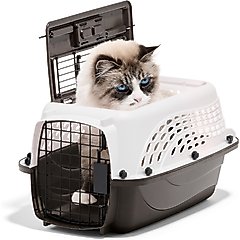
- Use a secure cat carrier if you need to travel to the vet.
Recommended Product
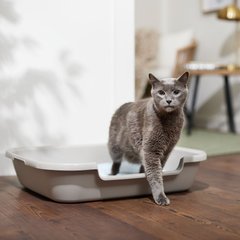
- Make the litter box easy to access if your cat is weak. A low-entry litter box can help.
Recommended Product
- Add nonslip mats or rugs if your cat is wobbly on slick floors.
Recommended Product

And here are a few things to avoid:
- Avoid giving human medication unless your vet specifically tells you to.
- Avoid forcing food or water into your cat’s mouth during shaking.
- Avoid bathing your cat unless poison control or your vet instructs you to.
- Avoid putting anything in your cat’s ears without a diagnosis.
- Don’t assume a purring cat is fine.
- Don’t wait overnight if there is possible toxin exposure, trouble walking, collapse, seizure-like activity, or trouble breathing.
FAQs About Cat Shaking
Why is my cat shivering?
Your cat may be cold, scared, in pain, feverish, weak, or sick. If shivering stops once they warm up and they act normal, it may not be urgent. Call your vet if it is sudden, repeated, or comes with weakness, vomiting, hiding, or trouble walking.
Why is my cat shaking all of a sudden?
Sudden shaking can be caused by pain, fever, low blood sugar, toxin exposure, seizures, or neurological problems. Call your vet right away, especially if your cat may have touched or eaten something toxic.
Is it normal for cats to shake while sleeping?
Small twitches during sleep can be normal. Call your vet if the shaking is violent, repeated, lasts a long time, or your cat seems confused, weak, or abnormal afterward.
Attributions