Diabetes in Cats: Signs, Causes, and Treatment


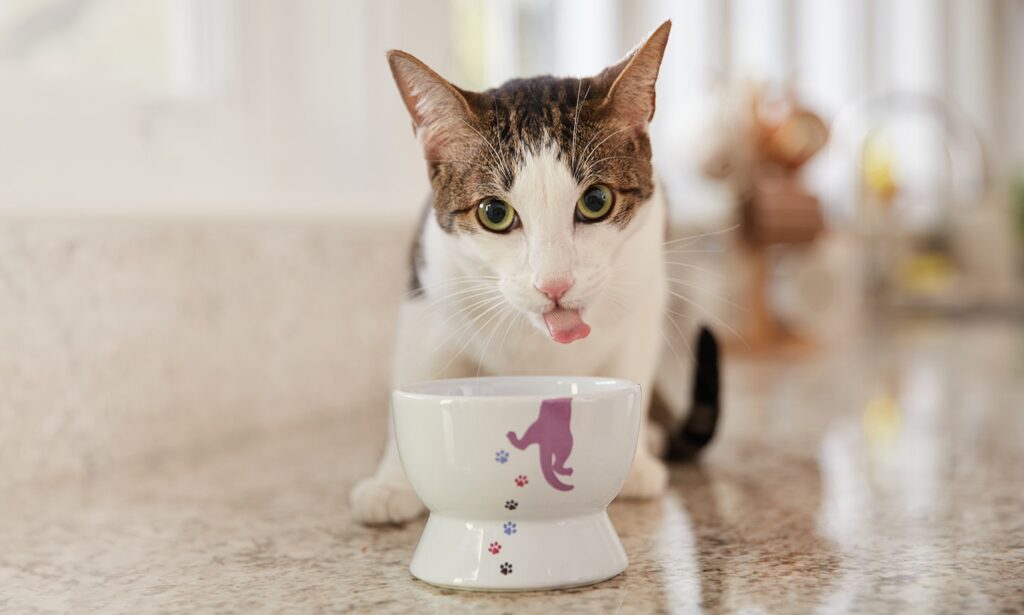
Photo by Chewy
Just like humans, cats can get diabetes.
Diabetes in cats affects their ability to regulate blood sugar; and if left untreated, it can lead to serious health issues like diabetic ketoacidosis.
Here’s how to spot the symptoms early, learn about treatment options, and help your cat live their best life.
Key Takeaways
- Diabetes in cats is a common condition that affects blood sugar regulation and often requires lifelong management.
- Early signs include increased thirst and urination, weight loss, lethargy, and changes in appetite or mobility.
- Obesity is the biggest risk factor for feline diabetes, though age, steroid use, genetics, and certain diseases can also contribute.
- Many cats with diabetes are treated with daily insulin injections, while some may be candidates for oral diabetes medication.
- A consistent routine, healthy diet, weight management, and regular veterinary monitoring can help cats with diabetes live long, comfortable lives.
What Is Diabetes in Cats?
Diabetes mellitus in cats is a chronic condition where the body either doesn’t produce enough insulin or can’t effectively use it.
Insulin is essential for regulating blood sugar (glucose) levels, and when it’s insufficient or ineffective, glucose builds up in the bloodstream, leading to high blood sugar levels.
Diabetes is relatively common in cats.
Types of Diabetes in Cats
As with humans, cats can develop different forms of diabetes:
- Type I diabetes (insulin-dependent diabetes mellitus): This form of diabetes is rare in cats. It develops when a cat’s pancreas produces little to no insulin, making it impossible to regulate blood sugar levels. As a result, lifelong insulin therapy is required.
- Type II diabetes (non-insulin-dependent diabetes mellitus): This is the most common type of diabetes in cats. It occurs when the body produces normal or even elevated levels of insulin—but due to insulin resistance, it can’t effectively regulate blood sugar, says Mandi Shearhart, DVM, staff veterinarian at Best Friends Animal Society in Fayetteville, Arkansas.
What Are the Signs of Diabetes in Cats?
Recognizing cat diabetes symptoms early is key to preventing complications.
Take your cat to the vet immediately if they’re experiencing any of the following symptoms:
- Increased thirst
- Increased urination
- Unexplained weight loss (despite a normal or increased appetite)
- Lethargy
- Dull or unkempt coat
- Urinating outside the litter box (due to urinary tract infections)
- Increased appetite (initially), then decreased appetite
- Irritability or aggressiveness
- Vomiting
- Frequent urinary tract infections
- Muscle wasting
- Weakness in the back legs (due to diabetic neuropathy)
What Causes Diabetes in Cats?
Diabetes mellitus is caused by one of two issues, or both:
- The body not secreting enough insulin to control blood sugar
- The body developing a resistance to the insulin, so it doesn’t respond to it well enough to control blood sugar
But what causes this dysfunction? Several risk factors increase insulin resistance and the likelihood of diabetes in cats, including:
- Obesity: Obesity in cats is the biggest risk factor for developing diabetes, Dr. Shearhart says.
- Lack of physical activity: This can contribute to obesity and insulin resistance.
- Age: Middle-aged and senior cats, particularly those 10–13 years old, are more susceptible.
- Gender: Diabetes is more common in male cats than female cats.
- Steroid use: Studies suggest the use of corticosteroids can induce diabetes.
- Genetics: Some breeds of cats have a higher incidence of diabetes, including Burmese, Tonkinese, and Norwegian Forest Cats.
- Certain diseases: “When type I diabetes is seen in cats, it’s usually secondary to chronic pancreatitis that has damaged insulin-producing cells,” says Dr. Shearhart, who adds that Cushing’s disease and chronic kidney disease can also play a role.
Treatment for Diabetes in Cats
If you notice possible signs of diabetes in your cat, schedule a veterinary visit as soon as possible.
Diabetes in cats is diagnosed based on a combination of symptoms observed by pet parents and elevated glucose levels in the blood and urine, confirmed through blood tests and urinalysis.
When it comes to treatment for diabetes in cats, Dr. Shearhart says many cats with diabetes need daily, at-home injectable insulin, such as ProZinc or Vetsulin, to keep their blood sugar levels in check.
Recommended Products


Treatments such as Senvelgo (an oral medication) are also available as an alternative to insulin for some cats, says Dean Vicksman, DVM, president of EveryCat Health Foundation in Wyckoff, New Jersey.
Recommended Product

How Can I Help My Diabetic Cat at Home?
With the right veterinary care, your cat with diabetes can still live a happy and comfortable life.
Here’s how you can further support them at home:
- Stick to a strict insulin and feeding schedule. Offer insulin or their oral medication at the same time every day, along with a stable feeding schedule. This will help keep blood sugar in check, Dr. Vicksman says.
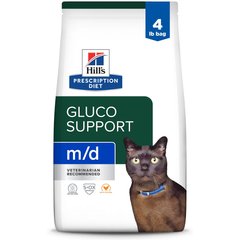
- Consider a prescription diabetic diet. Ask your vet about a feline diabetes diet like Hill’s Prescription Diet m/d GlucoSupport dry food or Royal Canin Glycobalance wet food; they’re formulated to help regulate blood sugar.
Recommended Products

- Maintain a healthy weight. If your cat is overweight, gradual weight loss through portion control and light activity can improve insulin sensitivity. Encourage movement with wand toys, like the Frisco Bird With Feathers Teaser Wand, or interactive toys, such as the Catstages Tower of Tracks.
Recommended Products


- Provide easy access to fresh water. Cats with diabetes are more prone to dehydration, so place multiple water bowls around the house or buy a cat water fountain, like the PetNF Transparent Fountain, to encourage more drinking.
Recommended Product

- Make litter boxes accessible. Frequent urination is a common symptom of cats with diabetes, so place litter boxes in easily accessible locations. If your cat has diabetic neuropathy and struggles with mobility, Dr. Vicksman recommends a low-entry litter box, like the KittyGoHere Senior Cat Litter Box.
Recommended Product

- Provide comfy bedding. Give your cat plenty of soft, supportive bedding, like the FurHaven Faux Fur & Suede Bed, to help them rest more comfortably.
Recommended Product

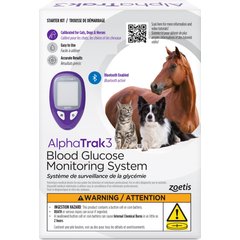
- Monitor blood glucose at home. A pet glucose meter kit, like the AlphaTRAK 3 Starter Kit Diabetic Blood Glucose Test Kit, allows for at-home blood sugar monitoring. Keeping a log of glucose readings, insulin doses, and symptoms can help fine-tune treatment.
Recommended Product
- Schedule follow-ups. “Sticking with vet follow-ups is crucial,” says Dr. Vicksman. “Skipping rechecks or trying to manage diabetes without proper monitoring often leads to mismanagement and more health problems down the line.”
FAQs About Cat Diabetes
What are the first signs of diabetes in cats?
The earliest signs of diabetes in cats include increased thirst and urination, unexplained weight loss, and lethargy.
What is the life expectancy of a cat with diabetes?
It depends. With proper treatment, many cats with diabetes live for several years after diagnosis—sometimes just as long as those without the condition. The key is consistent insulin therapy, a proper diet, and regular veterinary checkups.
How much does it cost to treat a cat with diabetes?
The cost will vary based on your vet and where you live. Generally, expect to pay at least a few hundred dollars for the initial visit, including blood work, glucose testing, and starting supplies. Ongoing monthly costs for insulin, syringes, and glucose monitoring can be $100 or more. If you’re on a budget, ask your vet for lower-cost options near you.
What food causes diabetes in cats?
There isn’t a single food that causes diabetes, but high-carbohydrate diets may contribute to insulin resistance, especially in overweight cats. As obligate carnivores, cats should eat a high-protein, low-carb diet.
How do you prevent feline diabetes?
You can’t always prevent feline diabetes. Some risk factors—such as age and genetics—are beyond control. However, you can lower your cat’s risk by scheduling regular checkups, encouraging daily exercise, keeping your cat at a healthy weight, and feeding them a high-protein, low-carb diet.
Attributions
This content was medically reviewed by Hannah Hart, DVM, Chewy veterinarian.