Roundworms in Cats: Signs, Treatment, and Prevention

Photo by Chewy
If you see long, spaghettilike worms in your cat’s poop, they probably have roundworms. While seeing worms in the litter box may be gross, roundworms in cats are common intestinal parasites, especially in kittens. While some infected cats show no symptoms, others may develop digestive problems or poor growth.
Fortunately, roundworms are treatable, and routine parasite prevention can help protect both cats and people. Here’s what pet parents need to know about identifying, treating, and preventing roundworms in cats.
Key Takeaways
- Roundworms in cats are common intestinal parasites, especially in kittens, and many cats show mild or no symptoms.
- You may not always see worms in your cat’s poop; more common signs include a potbelly, vomiting, diarrhea, and poor weight gain.
- Veterinarians diagnose roundworms with fecal testing and treat them with dewormers—often with repeated dosing to kill newly maturing worms.
- Monthly parasite prevention, litter box hygiene, and keeping cats from hunting help reduce the risk of reinfection and human exposure.
What Are Roundworms in Cats?
Roundworms are intestinal parasites that feed on nutrients from food your cat eats, which can lead to digestive upset, poor growth, and other health concerns.
The most common feline roundworm is Toxocara cati. Adult worms living in the intestines produce eggs that are shed in the cat’s stool to infect other animals.
Adult roundworms are often described as looking like strands of spaghetti and may occasionally be seen in a cat’s poop or vomit. However, not seeing worms doesn’t rule out infection, and roundworm eggs are microscopic, so you can’t see them.
How Do Cats Get Roundworms?
Cats can get roundworms by swallowing parasite eggs or larvae from contaminated environments, feces, or infected animals.
- Kittens: Kittens commonly get roundworms from their mother while nursing.
- Adult cats: Hunting rodents and exposure to contaminated soil, feces, or litter boxes are common causes of roundworm infection.
- Multi-cat homes and shelters: Shared living spaces and litter boxes can increase exposure to roundworm eggs.
Living indoors doesn’t protect cats from risk because indoor cats can be exposed through tracked-in soil, other pets, or a newly adopted kitten.
Roundworm Symptoms in Cats
Many cats with roundworms show no symptoms, especially early in an infection. When signs do occur, they often affect the digestive system and may be more noticeable in kittens.
Common signs include:
- Potbellied or “bloated” appearance (especially in kittens)
- Vomiting
- Diarrhea
- Poor weight gain or slow growth
- Dull hair coat
Less common signs include:
- Coughing (due to larval migration)
- Reduced appetite
Although roundworm infection isn’t typically an emergency, urgent signs include:
- Severe lethargy
- Dehydration
- Repeated vomiting
- Straining to defecate
- Painful or swollen abdomen
When To Call the Veterinarian
Contact your veterinarian if:
- Your cat is vomiting repeatedly or unable to keep food down.
- Your kitten has a swollen belly, poor growth, or ongoing diarrhea.
- Your cat seems lethargic or dehydrated or is showing signs of a possible intestinal blockage (repeated vomiting, lack of feces).
How Do Vets Diagnose Roundworms in Cats?
Veterinarians typically diagnose roundworms by using a microscope to look for parasite eggs in a stool sample. Some clinics may send the fecal sample to a veterinary lab for antigen testing instead. Bringing a fresh stool sample to your cat’s appointment can help your veterinarian make an accurate diagnosis. Routine fecal testing during your cat’s annual wellness appointment can help catch infections early.
However, active roundworm infections don’t always show up on the first test. Because infected cats may shed eggs intermittently, false negatives can occur. If your veterinarian still suspects roundworms based on your cat’s age, symptoms, or risk factors, they may recommend repeat testing or treatment.
Roundworm Treatment for Cats
Roundworms are treated with veterinarian-recommended dewormers. Kittens often need repeat doses because immature worms may survive the first treatment.
Some cats may be infected with more than one intestinal parasite at the same time. For example, cats with roundworms can also have tapeworms, Giardia, or other parasites that require combination treatments.
Your veterinarian will determine the most effective course of treatment and recommend year-round prevention to reduce the risk of reinfection.
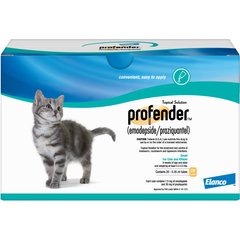
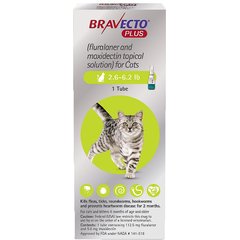
Products your vet may recommend include Drontal, Profender, Revolution Plus, or Bravecto Plus.
Recommended Products

What To Expect After Deworming
It’s not unusual to see worms in your cat’s stool after treatment, especially with heavier infections.
Some cats may also experience mild digestive upset, but severe vomiting, diarrhea, lethargy, or other concerning symptoms should be reported to your veterinarian.
How To Prevent Roundworms in Cats
As with all illnesses, it’s best to prevent infection when possible. Here are some of the best ways to prevent roundworm infection in cats:
- Use year-round parasite prevention. Ask your veterinarian which parasite prevention product is right for your cat.
- Scoop litter boxes daily. Remove feces promptly and wash your hands afterward.
Recommended Products


- Keep cats indoors when possible. Preventing hunting can reduce exposure to infected rodents and other prey animals.
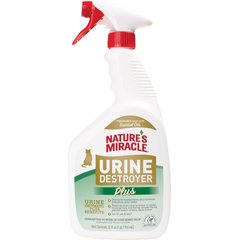
Keeping litter boxes clean and promptly cleaning accidents can also help maintain a healthier environment. Enzyme cleaners, like Nature’s Miracle Urine Destroyer Plus, and other litter box hygiene products may be helpful additions to your cleaning routine.
Recommended Products

Can People Get Roundworms From Cats?
Yes, some roundworms that infect cats can spread to people if parasite eggs are accidentally ingested from contaminated soil, feces, or litter. While this sounds concerning, good hygiene practices greatly reduce the risk.
To help protect your family:
- Scoop litter boxes daily.
- Wash your hands after handling litter, soil, or pet waste.
- Cover children’s sandboxes when not in use.
- Encourage children to avoid putting soil, sand, or dirty hands into their mouths.
Routine parasite prevention and regular veterinary care can also help reduce the risk of roundworm infections in both cats and people.
FAQs About Roundworms in Cats
Is there a cure for roundworms in cats?
Yes. Most roundworm infections can be successfully treated with a veterinarian-recommended dewormer. Reinfection can be avoided by using a year-round preventive.
What do roundworms look like in cat poop or vomit?
Roundworms are typically long, white, spaghettilike worms.
Can indoor cats get roundworms?
Yes. Indoor cats can get roundworms from tracked-in soil, a newly adopted kitten, or other household pets who go outdoors.
How often should kittens be dewormed for roundworms?
Kittens are typically dewormed multiple times during their first few months of life, though the exact schedule depends on their age and risk factors. Your veterinarian can recommend the most appropriate deworming plan, which often aligns with their vaccine schedule.
Do I need to clean my home if my cat has roundworms?
Yes. Promptly remove feces, scoop the litter box daily, and wash bedding or other contaminated items to help reduce the risk of reinfection.
How long does it take to get rid of roundworms in cats?
Most roundworm infections can be cleared within a few weeks, though some cats require multiple treatments to eliminate newly maturing worms and prevent reinfection.
Attributions