Giardia in Cats: Signs, Treatment, and Prevention

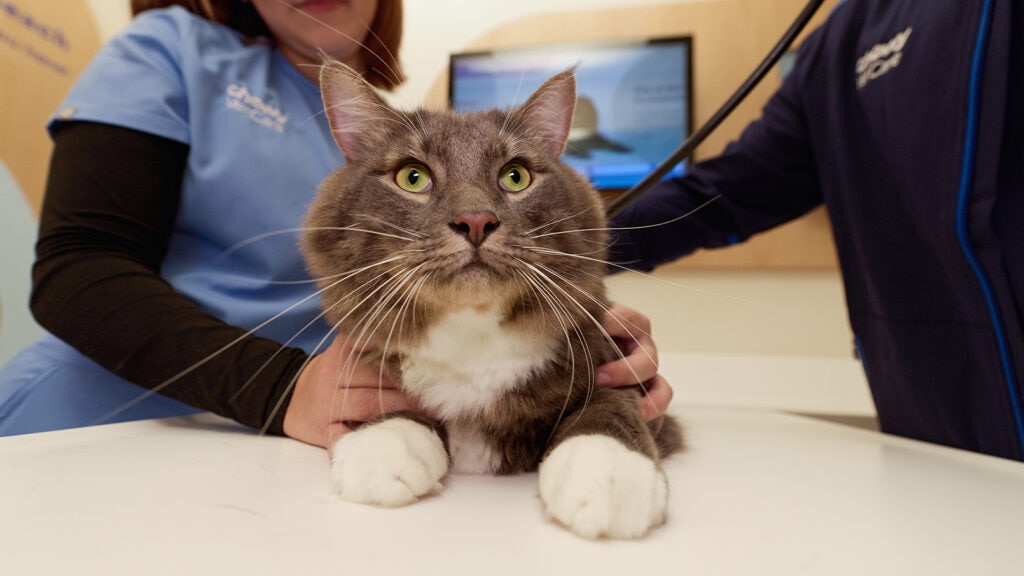
Photo by Chewy
Giardia in cats is a common intestinal parasite that can cause messy diarrhea, weight loss, and decreased appetite. It spreads easily—especially in kittens and multi-cat homes—so pet parents need to know what to watch for and how to treat it.
If your cat has persistent diarrhea—especially foul-smelling or mucus-covered stool—contact your veterinarian for fecal testing and treatment.
Key Takeaways
- Giardia in cats is a common intestinal parasite that can cause diarrhea, weight loss, and dehydration.
- Symptoms of Giardia in cats often include foul-smelling diarrhea and increased mucus in stool.
- Giardia is treated with prescription medications, such as fenbendazole or metronidazole.
- Good hygiene and litter box sanitation are essential to prevent reinfection.
What Is Giardia in Cats?
Giardia is an intestinal parasite that infects your cat’s digestive tract and can make it harder for them to absorb nutrients—often leading to diarrhea and weight loss. It’s also highly contagious, so it can easily spread to other cats in your household.
Symptoms of Giardia in Cats
Common symptoms of Giardia in cats include:
- Foul-smelling diarrhea
- Mucus in stool
- Vomiting
- Weight loss
- Decreased appetite
- Lethargy
- Painful abdomen
Some cats may not show any outward signs of Giardia infection, especially if their immune system keeps the parasite in check or if the infection is mild.
Causes of Giardia in Cats
Kittens, outdoor cats, and those living in multi-pet households are more likely to get Giardia. Cats who spend time in places with lots of other animals—like shelters or boarding facilities—are also at higher risk.
Giardia is primarily spread via the fecal-oral route, which means a cat becomes infected after accidentally ingesting microscopic parasite cysts.
Common ways cats are exposed include:
- Drinking or walking through contaminated soil or water
- Contact with infected feces, including during grooming
- Sharing a contaminated litter box
- Living in crowded environments (like shelters or multi-cat homes)
How Veterinarians Diagnose Giardia in Cats
Your veterinarian will start with a thorough physical exam to assess your cat’s overall health, including signs of weight loss or abdominal discomfort. They’ll also ask about your cat’s symptoms, lifestyle (such as outdoor access), and any contact with other animals.
If your vet suspects Giardia, they’ll run tests to confirm the diagnosis. Common tests include:
- Fecal float: Your vet mixes a stool sample with a special solution so Giardia cysts rise to the surface and can be seen under a microscope.
- Fecal smear: A small stool sample is mixed with saline and examined under a microscope, allowing the parasite to be seen moving.
- ELISA test: A vet adds a small stool sample to a test that changes color if Giardia antigens are present.
- PCR test: A lab test that detects Giardia DNA in your cat’s stool.
How Veterinarians Treat Giardia in Cats
Veterinarians typically treat Giardia with prescription medications—often one of the following, or a combination of both:
- Fenbendazole, a deworming medication
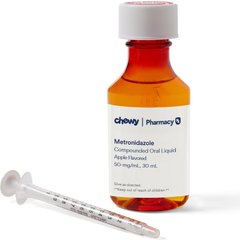
- Metronidazole, an antibiotic
Recommended Products

Treatment usually lasts about five to 10 days. Some cats may need additional treatment if the infection doesn’t fully clear or if they become reinfected.
How Long Does It Take To Cure Giardia in Cats?
Most Giardia infections clear within about five to 10 days of treatment. However, some cats may take longer to recover fully, especially if they become reinfected.
Giardia cysts are very resilient and can survive in the environment for weeks to months. If your cat comes into contact with contaminated areas during or after treatment, they can become infected again. In these cases, your veterinarian may recommend additional rounds of treatment.
How Can I Help My Cat Feel More Comfortable?
While your cat is recovering from a Giardia infection, you can help keep them comfortable with a few simple at-home care steps:
- Ask about probiotics. Talk to your veterinarian about whether a probiotic, such as FortiFlora, may help support gut health and firm up stool during treatment.
Recommended Product

- Keep your cat clean. Gently clean your cat’s fur daily using a pet-specific wet wipe to remove any feces or Giardia cysts possibly stuck to their coat.
Recommended Product

- Follow medication instructions. Give all prescribed medications as directed and attend any recommended follow-up visits.
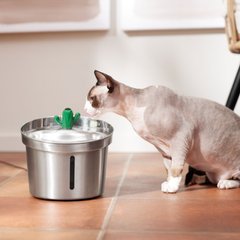
- Encourage hydration. Always provide fresh, clean water to help prevent dehydration from diarrhea. A water fountain may encourage your cat to drink more.
Recommended Product
How To Prevent Giardia in Cats
Preventing Giardia in cats starts with good hygiene and keeping your cat’s environment clean. Here are some steps you can take:
- Keep the litter box clean. Clean the litter box at least once daily to remove feces. Disinfect the litter box every two weeks with a bleach-and-water solution.
- Wash bedding regularly. Clean any cat beds or bedding weekly with hot water and soap.
- Limit exposure outdoors. Keep your cat indoors when possible, or prevent access to puddles and standing water that may be contaminated.
- Practice good hygiene. Wash your hands thoroughly after handling your cat or cleaning the litter box.
- Separate infected cats. Keep infected cats away from other pets during treatment to help prevent spread.
FAQs About Giardia in Cats
How do you get rid of Giardia in cats naturally?
There isn’t a natural or at-home remedy that clears Giardia. Cats need prescription medication—such as fenbendazole or metronidazole—recommended by a veterinarian to treat the infection fully.
How long does it take to cure Giardia in cats?
Treatment typically lasts about five to 10 days, and many cats improve within that time. However, some infections can take longer to resolve fully, especially if a cat becomes reinfected.
Is cat Giardia contagious to humans?
Giardia can spread from cats to humans, but this is uncommon. In most cases, cats and people are affected by different strains of the parasite.
Does fenbendazole treat Giardia in cats?
Yes, veterinarians commonly prescribe fenbendazole as a primary treatment for Giardia in cats.
Do I have to quarantine my cat with Giardia?
Yes—if your cat has Giardia, keep them separated from other pets during treatment to help prevent the parasite from spreading.