Should You Give Your Cat Zinc Supplements?


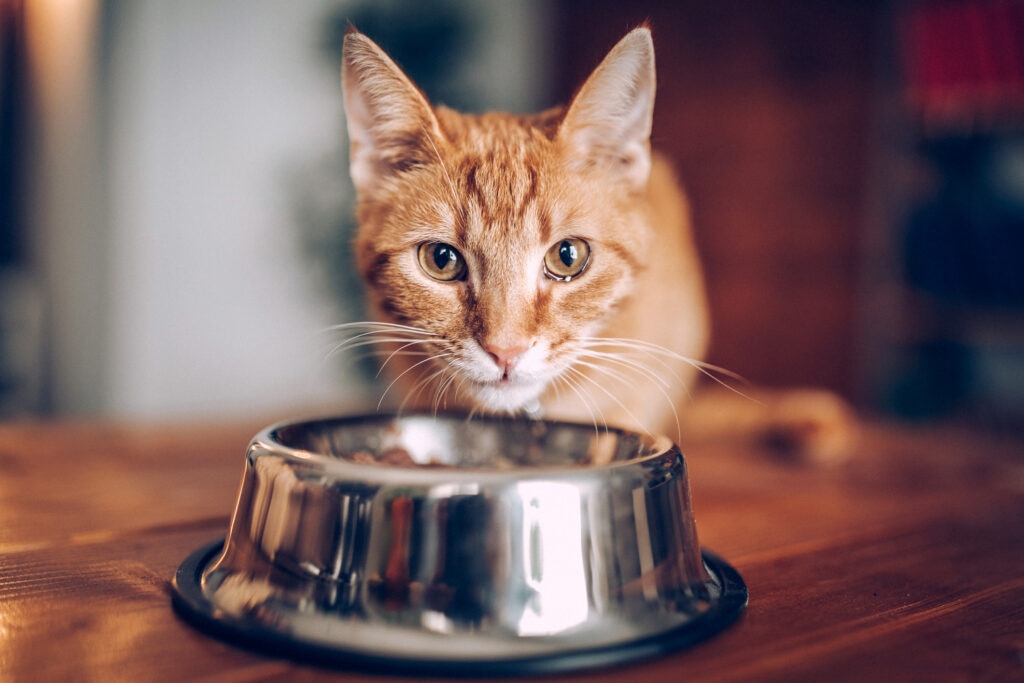
Photo by eclipse_images/E+
Zinc is an essential trace mineral for cats. Most cats eating a complete and balanced diet get enough zinc from their food and don’t need a separate zinc supplement. However, there are some circumstances when a vet may recommend zinc, such as confirmed low blood levels or certain diseases.
Here’s what pet parents should know about zinc for cats, including when it may be a good idea—and when it’s not.
Key Takeaways
- Zinc is an essential trace mineral, but most cats eating a complete and balanced diet get enough from their food.
- Zinc may be recommended for cats with a diagnosed deficiency, such as those eating an poorly balanced homemade diet.
- Cats can also be exposed to zinc from coins, metal hardware, galvanized items, and zinc-containing products or supplements.
Can Cats Be Given Zinc?
Zinc is listed as a required mineral in balanced food, according to guidelines from the Association of American Feed Control Officials (AAFCO), which sets the standards for nutritional requirements and labeling of pet food. As a result, zinc is usually provided through your cat’s normal diet.
If zinc is prescribed, it will typically be given as a supplement recommended by your vet.
Cats and other small animals can also develop zinc toxicosis if they swallow items containing zinc such as pennies, staples, nails, bolts, zippers, jewelry, toys, or galvanized metal.
How Does Zinc Work in Cats?
Zinc is used by a cat’s body in many normal processes, including enzyme activity and basic tissue maintenance. In healthy cats, zinc supports:
- A healthy skin and coat
- Normal wound healing
- Immune function
- Growth and reproduction
- Appetite and taste
If a cat isn’t getting enough zinc from their food, the diet itself should be evaluated rather than adding a supplement. Homemade diets are a common source of nutrient deficiencies, so if the cat isn’t being fed a commercial cat food, an adjustment may be needed.
Zinc may also be recommended for cats with liver or kidney disease.
Benefits of Zinc in Cats
Zinc can benefit cats who have a true deficiency by bringing levels up to a normal range.
Zinc is best thought of as a targeted nutrient and should be used only when a real deficiency exists, not as a routine supplement. If your veterinarian thinks your cat may need extra zinc they’ll want to evaluate the full picture, including the cat’s diet, before recommending a supplement.
Potential Side Effects of Zinc in Cats
Too much zinc can cause zinc toxicosis. Early signs of zinc toxicosis in cats can include lack of appetite, vomiting, diarrhea, lethargy, and depression. More serious cases can involve jaundice, dark or orange-colored feces, brown-colored urine, anemia from red blood cell damage, and organ injury.
Some zinc oxide products or supplements may be less dangerous than metal objects, but they can still cause gastrointestinal upset and should be taken seriously. The safest plan is to keep zinc products out of reach and use them only when your veterinarian has a clear reason to recommend them.
How to Give Your Cat Zinc
If your veterinarian decides your cat needs additional zinc, they’ll choose the form, timing, and length of use based on your cat’s diet, age, and medical history. For many cats, the better first step is not a supplement at all, but a closer look at their diet.
What to Do If Your Cat Takes Too Much Zinc
Treat a zinc overdose as urgent. If you think your cat swallowed a penny, hardware, jewelry, or a zinc supplement, contact your veterinarian, an emergency hospital, or Pet Poison Helpline (855-764-7661) right away. In small animals, diagnosis often relies on the exposure history, lab work, and X-rays to find the object.
Treatment may require removing the source of zinc, along with supportive care such as fluids and, in severe cases, a blood transfusion. The sooner the source is removed, the better the outlook.
FAQs About Zinc Supplements for Cats
Do healthy cats need zinc supplements?
Usually not. Cats eating a complete and balanced diet generally get the nutrients they need without extra supplements.
What are the signs of zinc toxicity in cats?
Common early signs include vomiting, diarrhea, poor appetite, lethargy, and depression. More serious signs can include jaundice, anemia, dark or orange-colored feces, and brown-colored urine.
My cat ate a penny. Is that really an emergency?
Yes. Pennies are a major source of zinc exposure in small animals, and they can cause serious illness.
Can too much zinc affect other nutrients?
Yes. Excess zinc can interfere with the metabolism of other minerals, including copper.
Is zinc ever useful for cats?
Zinc can be useful when a veterinarian uses it to address a diet-related gap. But it should not be given as a routine wellness supplement.
Attributions
This article was created with assistance from AI tools. The content has been reviewed for accuracy and edited by a human.
References
- Zinc Toxicosis In Animals. Accessed April 14, 2026. https://www.merckvetmanual.com/toxicology/zinc-toxicosis/zinc-toxicosis-in-animals
- Choosing A Cat Food. Accessed April 14, 2026. https://vetmed.tamu.edu/news/pet-talk/choosing-a-cat-food/
- The Importance Of Supplements For Your Pets. Accessed April 14, 2026. https://vetmed.tamu.edu/news/pet-talk/the-importance-of-supplements-for-your-pets/
- Frequently Asked Questions And Myths.Pdf. Accessed April 14, 2026. https://wsava.org/wp-content/uploads/2020/01/Frequently-Asked-Questions-and-Myths.pdf
- Zinc Poisoning. Accessed April 14, 2026. https://www.merckvetmanual.com/special-pet-topics/poisoning/zinc-poisoning
- Zinc Poisoning in Cats. PetMD. Accessed April 14, 2026. https://www.petmd.com/cat/conditions/toxicity/c_ct_zinc_toxicity
- Selecting Cat Food. Accessed April 14, 2026. https://vetmed.tamu.edu/news/pet-talk/selecting-cat-food/
- Metal Toxicity Pets Zinc Lead Copper Risks. Accessed April 14, 2026. https://vetmed.tamu.edu/news/pet-talk/metal-toxicity-pets-zinc-lead-copper-risks/