What Is Cat Spaying: Benefits, Cost, and More


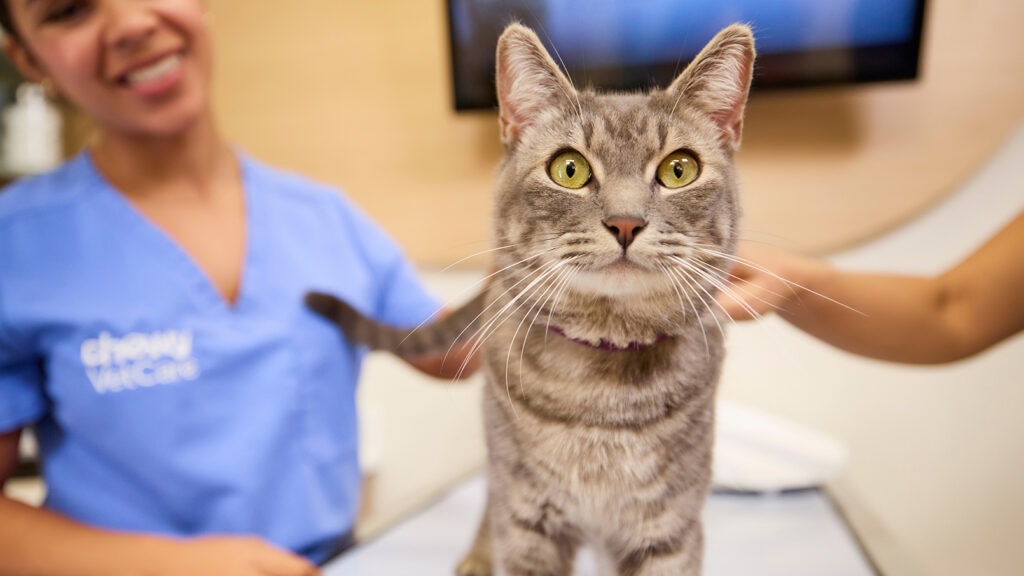
Photo by Chewy
You’ve likely heard about the importance of spaying cats. While veterinarians and experts strongly recommend this procedure, it’s only natural to have questions about the process before jumping into it.
Ahead, we’re covering everything you need to know about getting a cat spayed, including when you should do it, what the procedure is like, the cost, the recovery time, and spaying’s benefits.
What Is Cat Spaying?
Cat spaying is the process of removing the female reproductive organs, explains Jessica Thompson, DVM, a veterinarian based in Portland, Oregon. Medically referred to as an ovariohysterectomy, the cat spay procedure involves surgically removing the ovaries and uterus to prevent pregnancy. Spayed female cats also no longer have heat cycles.
Spaying is performed under general anesthesia, so your cat isn’t awake or aware of what’s going on. It’s considered a safe, routine procedure.
When To Spay a Cat
You can technically spay a female cat at any point in her life. However, it’s generally recommended to spay a cat before her first heat cycle, which can occur as early as 4 months of age.
This timing significantly reduces a female cat’s risk of mammary cancer, which increases significantly after a cat’s first heat cycle and each time she goes into heat.
Benefits of Spaying a Cat
Along with preventing pregnancy, there are other notable benefits associated with the spay procedure. Spaying a female cat:
- Reduces her risk of developing mammary cancer
- Prevents a type of uterine infection called pyometra
- Eliminates undesirable behaviors (such as yowling and escaping) during the heat cycle
- Prevents overpopulation
- Increases their lifespan because they’re less prone to certain health issues and are at a lower risk of injury from fights and accidents
How Much Does Spaying a Cat Cost?
The cost to spay a cat typically ranges from $50 to several hundred dollars.
Costs can vary based on:
- Where you live
- The type of clinic
- Your cat’s health
- Whether your cat is in heat (spaying during heat can cost more, and some vets prefer to wait until the cycle ends)
Other services can also raise the total, including:
- Pre-anesthetic blood work
- An intravenous (IV) catheter
- IV fluids during the procedure
- Pain medication for aftercare
Some pet insurance plans may cover spaying and/or related services, so check your policy ahead of time.
To save money, look for low-cost spay programs through local shelters, humane societies, or the ASPCA—and ask your veterinarian whether they offer a payment plan.
What Is the Cat Spay Procedure Like?
Here’s what spay day typically looks like:
- Drop-off: You’ll bring your cat to the vet—often in the early morning.
- Anesthesia: The veterinarian gives anesthesia, so your cat stays asleep and doesn’t feel pain during surgery.
- Surgery: While your cat is asleep, the vet makes a small incision and removes the ovaries and uterus. The procedure usually takes 20–30 minutes, but timing can vary based on your cat’s age, weight, and overall health.
- Closing the incision: The vet closes the incision with sutures or surgical glue.
- Recovery monitoring: Your cat stays at the clinic while she wakes up, and you’ll usually get an afternoon call when she’s ready to go home.
- Go-home plan: Before you leave, your vet will send you home with aftercare instructions and, in many cases, pain medication.
Spay Aftercare and Recovery
Most cats need 10–14 days of rest and recovery after a spay.
Here’s what aftercare typically includes:
- Give pain meds as directed. “During the first few days, the cat will be prescribed pain medication to manage their pain and discomfort,” Dr. Thompson says.
- Offer small meals and water. Once your cat is fully awake, offer a little water and a small meal, then ease back into her regular diet over the next 24 hours (following your vet’s instructions).
- Check the incision daily. Ask your vet what warning signs to watch for. A healthy incision should not have excess redness, swelling, discharge, or gaps.
- Plan for a follow-up if needed. Your vet may want to recheck the incision and remove non-absorbable stitches. (Some stitches dissolve on their own.)
Spay Recovery Supplies Checklist
Set yourself up for an easier recovery by having these items ready:
- Recovery cone: It helps stop licking and chewing at the incision site, says Dr. Thompson. A soft option like the SunGrow Post-Surgery Soft Cone Recovery Collar may feel more comfortable than a rigid cone.
Recommended Product

- Spay suit: Some cats tolerate a suit better than a cone while still protecting the incision. Try the Suitical Recovery Suit for Cats.
Recommended Product

- Cozy bedding: Give your cat a quiet, comfy place to rest, like the Frisco Sherpa Self-Warming High-Walled Bolster Small Cat Bed or Armarkat Cuddler Cat Bed. Make your cat’s bed easily accessible on the floor.
Recommended Products


- Pet stairs: Use pet stairs, like PetSafe CozyUp Stairs, to help prevent your cat from jumping up to their favorite places.
Recommended Product

Cat Spay Risks and Warning Signs
Fortunately, serious complications from spaying a female cat are quite rare. Like any surgery, though, spaying does come with some risks.
Potential complications can include:
- Reactions to anesthesia
- Bleeding
- Infection
- Problems with wound healing
After surgery, monitor your cat for:
- Excessive bleeding
- Swelling
- Redness
- Discharge at the incision site
- Signs of pain
- Lethargy
- Loss of appetite
- Vomiting
- Diarrhea
- Difficulty urinating
Call your veterinarian right away if you notice any concerning symptoms.
Spaying offers important health and behavioral benefits for many cats and helps reduce unwanted litters. Follow your veterinarian’s post-op instructions to support a smooth recovery—and yes, gentle cuddles are usually welcome once your cat is settled.
FAQs About Cat Spaying
Where can I get my cat spayed?
Schedule a spay at most veterinary clinics. You can also check local shelters, humane societies, and rescue groups—many offer low-cost spay/neuter programs or can point you to one.
Can you spay a cat in heat?
Yes. Spaying a cat in heat can take longer and may come with a slightly higher risk of bleeding, so some veterinarians prefer to wait until the heat cycle ends—ask your vet what they recommend for your cat.
Do female cats change after being spayed?
Most cats keep the same personality, but you’ll usually notice fewer heat-related behaviors (like yowling, restlessness, and trying to escape).
Spaying removes the source of hormones, which reduces your cat’s metabolism and energy needs by about 25%–30%. Your vet will recommend feeding your cat a little less and careful calorie control (no free-choice feeding) to ensure your cat stays lean and healthy and not overweight.
How much does it cost to get a cat spayed?
Spay prices vary widely, but you can expect $50 to several hundred dollars, depending on your location, clinic, and your cat’s needs. If cost is a concern, look for low-cost spay clinics through shelters/humane societies, and ask your vet about payment options.
What age is best for spaying cats?
Many veterinarians recommend spaying before the first heat, which can happen as early as 4 months old. Your vet can help you pick the right timing based on your cat’s health and lifestyle.
How painful is spay surgery for cats?
Your cat will be under anesthesia during surgery, so she won’t feel pain during the procedure. Afterward, mild soreness is common, and your vet will typically send home pain medication to keep her comfortable during recovery.
Attributions