Are Snake Plants Toxic to Cats?


Photo by Dima Berlin/iStock/Getty Images Plus via Getty Images
Yes, snake plants are toxic to cats. While these popular houseplants look beautiful in your home, they contain substances that can make your cat sick if they take a bite.
Here’s what pet parents should know about snake plant poisoning, including symptoms to watch for and how to protect their feline friends.
Key Takeaways
- Snake plants are toxic to cats because they contain naturally occurring substances called saponins.
- Cats who eat snake plants may experience vomiting, diarrhea, drooling, or other signs of stomach upset.
- Contact your veterinarian or the Pet Poison Helpline (855-764-7661) right away if your cat eats any part of a snake plant.
- Other cat-safe houseplants are a better choice for pet parents who want to enjoy greenery without the poisoning risk.
Are Snake Plants Poisonous to Cats?
Yes, snake plants are poisonous to cats and dogs alike. Snake plants contain saponins, which are naturally occurring compounds in the leaves and stems.
However, most cases of snake plant toxicity in cats are mild, causing only digestive upset.
Snake plants (Dracaena trifasciata) are popular houseplants known for their tall, stiff, sword-shaped leaves. They’re also commonly called mother-in-law’s tongue, good luck plant, and golden bird’s nest.
What Happens If a Cat Eats a Snake Plant?
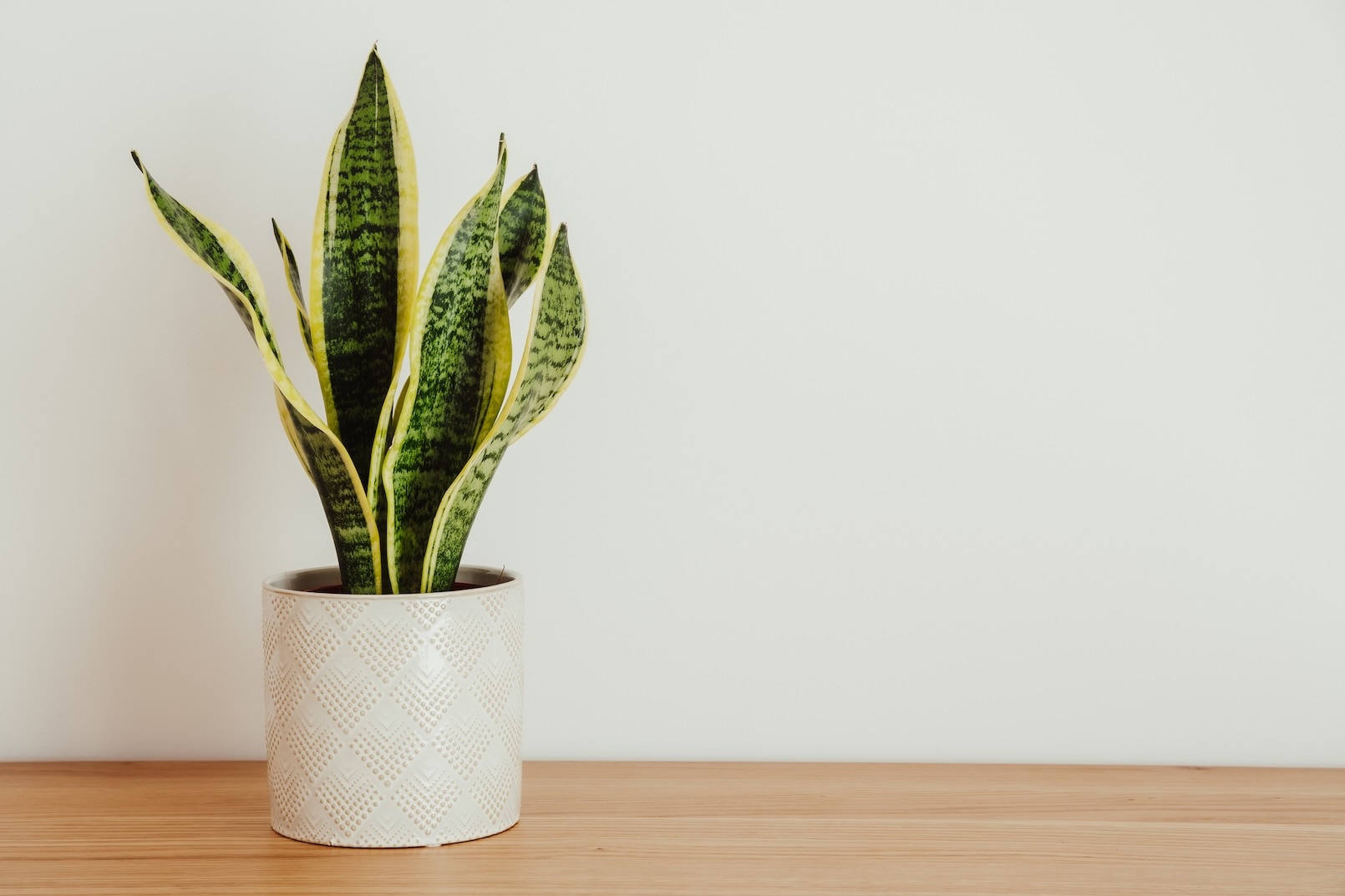
Photo by Coinup/iStock/Getty Images Plus via Getty Images
If your cat eats a snake plant, they may develop digestive problems. Symptoms can vary depending on how much of the plant your cat ate and their individual health.
Although snake plant poisoning often causes stomach upset rather than life-threatening illness, it’s important to take any possible poisoning seriously.
Possible symptoms of snake plant poisoning in cats include:
- Nausea
- Vomiting
- Diarrhea
- Excessive drooling
- Enlarged pupils
- An unsteady or wobbly walk
Not every cat will develop all of these symptoms. Some may show only mild signs, while others may need veterinary care.
If you know your cat has eaten part of a snake plant, contact your veterinarian or the Pet Poison Helpline (855-764-7661) immediately. Do not wait for symptoms to appear before reaching out.
My Cat Ate a Snake Plant. What Do I Do?
If you catch your cat chewing on a snake plant or suspect they’ve swallowed part of one, take action right away.
- Move your cat away from the plant. Prevent them from eating any more leaves or stems.
- Check for symptoms. Look for vomiting, drooling, diarrhea, or changes in how your cat walks or behaves.
- Contact your veterinarian. Don’t wait for symptoms to appear before asking for advice.
- Identify the plant. Take a photo or bring a sample in a sealed bag if your veterinarian requests one.
- Follow veterinary instructions. Your veterinarian can help determine whether your cat needs an examination or can be monitored at home.
Don’t try to make your cat vomit or give them home remedies unless your veterinarian specifically instructs you to do so. Attempting to induce vomiting in cats at home can be dangerous.
If your cat is having trouble breathing, experiencing seizures, collapses, or becomes unresponsive, seek emergency veterinary care right away.
How Do I Stop My Cat From Eating My Snake Plant?
Cats can be curious about houseplants, especially those with long leaves that are easy to bat or chew, like a snake plant or spider plant. If your cat shows interest in your snake plant, it’s important to prevent access rather than rely on training alone.
Here are a few ways to help protect your cat.
1. Keep Snake Plants in a Separate Room
If you already have a snake plant, consider moving it into a room your cat can’t enter.
A closed door is more reliable than placing the plant on a high shelf. Cats are skilled climbers, and a plant that seems out of reach may still be accessible.
2. Provide Cat-Friendly Alternatives
Give your cat safe ways to explore and play. Cat grass grown from oats, wheat, or barley can be an option for cats who enjoy nibbling greenery.
Recommended Products


Ask your veterinarian whether cat grass is a good idea for your specific kitty.
3. Offer More Enrichment
Keeping your cat busy with fun activities may help redirect their attention away from your houseplants. Try offering different cat toys, puzzle feeders, scratching posts, cat trees, and shelves they can climb.
Recommended Products

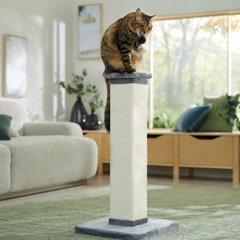
Don’t rely on your kitty to entertain themself, either. Short daily play sessions offer enrichment, exercise, and keep your cat happy.
Reward your cat when they choose their toys instead of investigating plants.
Cat-Safe Alternatives to Snake Plants
You don’t have to give up houseplants to keep your cat safe. There are several plants that are non-toxic to cats, including:
- Spider plants
- Boston ferns
- Parlor palms
- African violets
Always check the exact plant species before purchasing. Common names can be confusing, and different plants may have similar names. The ASPCA’s Toxic and Non-Toxic Plants List can help you research plants before bringing them home.
FAQs About Snake Plants and Cats
Can a snake plant kill a cat?
Snake plant poisoning usually causes minor digestive upset and isn’t generally life-threatening. However, symptoms can vary, and some cats may need veterinary treatment. Contact your veterinarian immediately if your cat eats any part of a snake plant.
Are snake plants toxic to dogs, too?
Yes, snake plants are toxic to both cats and dogs. Dogs who eat the plant may also develop nausea, vomiting, or diarrhea.
Should I get rid of my snake plant if I have a cat?
Removing your snake plant is the safest option, particularly if your cat likes chewing on plants. Consider replacing it with a cat-safe houseplant to enjoy greenery without the same risk.
Attributions
This article was created with assistance from AI tools. The content has been reviewed for accuracy and edited by a veterinarian.