Cat Asthma: Signs, Causes, and Treatment


Photo by Chewy
Cat asthma is a chronic inflammatory condition of the lower airways and can make it hard for your cat to breathe comfortably. Cats with asthma may cough, wheeze, or breathe more quickly as a result.
Here’s what pet parents need to know about the signs, causes, treatment options, and how to help a cat during an asthma attack.
If your cat is struggling to breathe, open-mouth breathing, or collapsing, seek emergency veterinary care immediately.
Key Takeaways
- Cat asthma is a chronic inflammatory condition that affects a cat’s airways and makes breathing difficult.
- Cat asthma symptoms include coughing, wheezing, rapid breathing, and episodes known as asthma attacks.
- Treatment for asthma in cats typically involves oral or inhaled corticosteroids and bronchodilators to reduce airway inflammation.
- Reducing environmental triggers, such as dust and smoke, can help manage flare-ups.
Can Cats Have Asthma?
Yes, cats can have asthma—and it’s more common than many pet parents realize. In fact, it’s estimated to affect 1–5% of cats.
What Is Asthma in Cats?
Cat asthma is an inflammatory disease that occurs when a cat’s immune system overreacts to environmental allergens. As a result, the lower airways become narrower and make breathing difficult.
Cat Asthma Causes
Feline asthma is often triggered by things in your cat’s environment or factors they’re born with. Common causes include:
- Genetic predisposition
- Dust
- Pollen from trees or grass
- Smoke, such as from cigarettes or candles
- Home fragrances, such as perfumes or household cleaners
- Scented litter
Certain breeds, such as the Himalayan and Siamese, may be more prone to asthma due to genetics. Young to middle-aged cats are also more commonly affected because of their developing immune systems and repeat exposure to allergens.
Cat Asthma Symptoms
Symptoms of feline asthma include the following:
- Coughing
- Wheezing
- Open-mouth breathing
- Hunched posture
- Panting
- Rapid breathing
- Lethargy
- Decreased appetite
Cat Asthma Diagnosis
Diagnosing asthma begins with a visit to your veterinarian, who will perform a physical exam and ask detailed questions about your cat’s health and environment.
During the exam, they’ll listen carefully to your cat’s lungs, watch how they breathe, and ask when symptoms started and whether your cat is exposed to things like smoke, dust, or fragrances at home. Bringing a video of your cat’s breathing or wheezing episodes can be especially helpful.
If your veterinarian suspects asthma, they may recommend additional testing to confirm the diagnosis, such as:
- Chest radiographs (X-rays): Images are taken of your cat’s heart and lungs to look for inflammation or overinflated lungs.
- Bronchoscopy: Your cat will be placed under anesthesia so a small tube can be guided into the mouth for a closer look at the airways. Airway samples may be collected for lab testing.
- Blood work: While it doesn’t diagnose asthma directly, blood work helps rule out other conditions, like heartworm disease or heart disease, that can cause similar symptoms.
Cat Asthma Treatment
Treatment for asthma focuses on reducing symptoms and improving your cat’s comfort.
Cats who require emergency care often start feeling better once they’re stabilized, but it’s important to know that asthma is a lifelong condition that requires ongoing management.
Treatments that may be recommended for your cat’s asthma include:
- Oral corticosteroids, such as prednisolone, to reduce airway inflammation
- Inhaled corticosteroids, such as fluticasone, to reduce airway inflammation
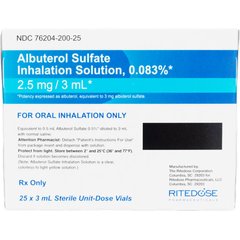
- Bronchodilators, such as albuterol or terbutaline, to open the airways
Recommended Products

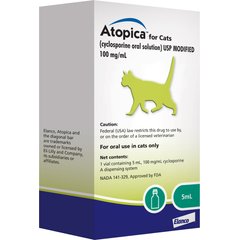
- Immunosuppressants, such as cyclosporine, to reduce airway inflammation
Recommended Product
How To Reduce Asthma Triggers in Cats
Managing your cat’s environment can go a long way in reducing asthma flare-ups. To help minimize triggers, try the following:
- Switch to low-dust litter. Use low-dust, unscented litter to reduce irritation in the litter box area.
Recommended Product

- Reduce household allergens. Keep your home as free as possible from dust, pollen, fragrances, and smoke.
- Improve air quality. Use an air purifier with a HEPA filter to help remove potential allergens from the air.
Recommended Product

- Add moisture to the air. Consider using a humidifier to keep your cat’s airways from becoming too dry—but be sure to clean it regularly and keep humidity below 50% to prevent mold and bacteria growth.
What Does a Cat Asthma Attack Look Like?
If your cat is having an asthma attack, you may see the following signs:
- Hunched posture (low to the ground with neck extended)
- Wheezing
- Persistent coughing
- Open-mouth breathing
- Increased saliva, often foamy
- Weakness
- Blue-tinged gums (due to lack of oxygen)
How To Help a Cat Having an Asthma Attack
If your cat is having an asthma attack, take a deep breath and try to stay calm. Cats can pick up on your own stress level, which may make their symptoms worse. Here’s how you can help in the moment:
- Keep your cat calm and comfortable. Move any other animals or people to a different room and keep the cat’s area quiet and stress-free.
- Remove potential triggers. If there are any home fragrances or smoke in the air, immediately remove them.
- Use prescribed rescue medication. Administer any fast-acting medication (such as an albuterol inhaler) exactly as directed by your veterinarian.
- Contact your veterinarian if needed. If you’re unsure what to do or your cat isn’t improving, call your vet or head to an emergency clinic right away.
Can You Prevent Asthma in Cats?
Because the exact cause of cat asthma is unknown, it can’t always be prevented. However, there are steps you can take to help lower your cat’s risk and support their respiratory health:
- Maintain a healthy weight. Keeping your cat at a healthy weight can help reduce inflammation and make breathing easier.
- Minimize environmental triggers. Reduce allergens and potential triggers in the home.
- Stay up to date on vet care. Regular wellness visits can help catch potential issues early and keep your cat as healthy as possible.
FAQs About Asthma in Cats
How long can a cat live with feline asthma?
Cats with asthma can live normal lifespans with proper medical management and reduction of environmental triggers.
How serious is asthma in a cat?
Asthma is a serious condition that causes breathing difficulties and potential asthma attacks. Left untreated, it can be fatal.
Are certain breeds prone to asthma?
Certain breeds, such as the Himalayan and Siamese, have increased risk for asthma due to genetic predisposition.