Why Do Cats Groom Each Other? Is This Normal?


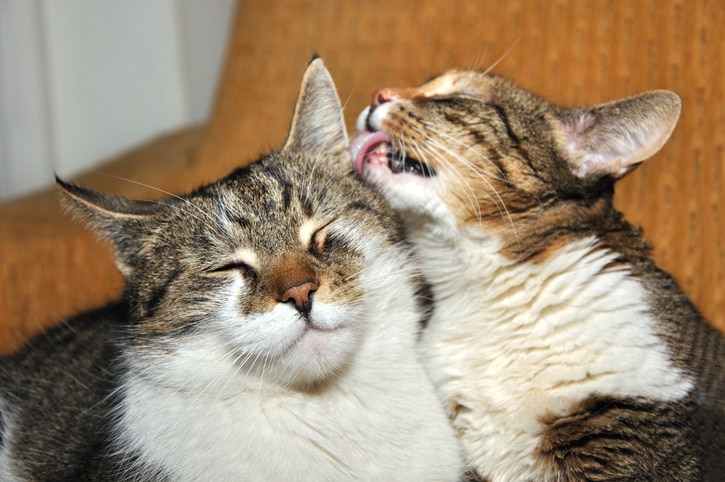
Photo by Madzia71/E+
Q: My cats often lick each other’s fur while they’re cuddling. It’s a cute behavior, but do all cats groom each other? Is this normal?
A: Yes, it’s completely normal for cats to groom each other. It’s called allogrooming, and they often do it to show affection, grow their bond, and keep clean.
We spoke with a certified cat behaviorist and a veterinarian to learn more about this feline behavior.
Key Takeaways
- It’s normal for cats to groom each other.
- Grooming is a way for cats to show affection, keep each other clean, relieve stress, and build trust.
- Not all cats groom each other, and that’s normal too.
- Overgrooming is possible and can lead to skin irritation and hair loss; see your vet if you suspect your cats are overgrooming.
Why Do Cats Groom Each Other? Is This Normal?
So why do cats lick each other?
It’s normal for cats to groom each other and is a sign of a healthy, positive relationship between your cats, says Sabrina Kong, DVM, a veterinarian at We Love Doodles.
“It’s an instinct that begins in kittenhood with their mother and often continues into adulthood with their chosen feline companions,” Dr. Kong explains. “Seeing your cats groom each other is generally a wonderful indicator that they feel safe and content with one another.”
Here are the most common reasons cats groom each other:
They’re Being Affectionate
“Cats groom each other primarily as a show of affection,” says Stephen Quandt, a certified feline training and behavior specialist and the founder of Stephen Quandt Feline Behavior Associates in New York City.
If you see your cats grooming each other, this is typically a gesture of pure feline friendship in a harmonious household, Dr. Kong says.
They’re Keeping Each Other Clean
Cats spend 30% to 50% of their waking hours grooming themselves.
But why do cats groom each other?
They could be helping one another out when it comes to hard-to-reach spots, Quandt says. What are friends for?
They’re Building Trust and Relationships
It might sound strange, but cats actually “share” scents to build trust.
Imagine mixing your go-to fragrance with your BFF’s perfume for a scent that’s unique to you both.
“Cats who are closely bonded will groom each other to mix their scents,” Dr. Kong says, and it strengthens their connection and makes them feel secure, much like a hug, she adds.
They’re Relieving Stress
Cats find grooming to be self-soothing, so it’s also why they groom feline friends, Quandt says.
The action of licking a close friend’s fur releases endorphins—mood-boosting hormones—that in turn reduce stress and produce a feeling of relaxation.
They’re Establishing Social Hierarchy
Another reason might center around who’s top dog—or in this case, cat.
One study suggested that “higher-ranking” domestic cats—that is, cats who were higher on the pecking order—groomed “lower-ranking” cats more often than the other way around. In other words, more dominant cats may groom less dominant cats to reinforce social hierarchies, Quandt says.
Do All Cats Groom Each Other?
No, not all cats groom each other. And that’s OK!
“Just like people, cats have different love languages,” Dr. Kong says. “A cat’s personality and their experiences as a kitten play a big role—some are just not as physically affectionate.”
A lack of mutual grooming isn’t necessarily a bad thing, she notes. Your cats might show their bond and love for each other in other ways, like sleeping near one another, playing together, or wrapping their tails around each other.
Other cats might not groom each other because they don’t get along, Quandt says.
When To Worry About Cats Grooming Each Other
Generally, the behavior of cats grooming each other seldom needs to be corrected, Dr. Kong says.
However, there are some instances where it should be redirected:
- If conflict occurs during grooming. “Sometimes, grooming isn’t always appreciated by the other cat, or at a certain point, the cat who’s actually doing the grooming can become aggressive,” Quandt says. Signs of stress to watch out for include hissing or trying to escape. If one or both cats is clearly upset by the attention, then pet parents should intervene by removing one of the cats and placing them in another room with the door closed until both cats are calm again. Pet parents should make sure both cats have access to water, food, perches, toys, and views outdoors while separated so that neither becomes more stressed.
- If grooming becomes obsessive. Compulsive grooming happens when your cat focuses on one specific spot of their feline friend, potentially resulting in skin and coat issues, like irritation or hair loss.
Try these pro tips on how to redirect the behavior:
- Practice positive reinforcement. Positive reinforcement and consistency are key to encouraging a desired change in your cat’s behavior while strengthening your bond with them.
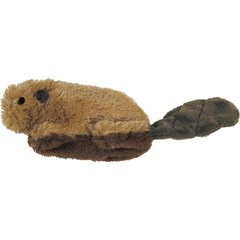
- Gently distract your cat with a toy or treat. Your best friend’s favorite toy, whether it be a Kong beaver catnip toy or Frisco fabric wand toy, can be an entertaining distraction.
Recommended Products

An irresistibly tasty treat is always a good idea, too. Try Greenies tuna cat treats or Sheba chicken tender sticks to help your cat feel extra special.
Recommended Products


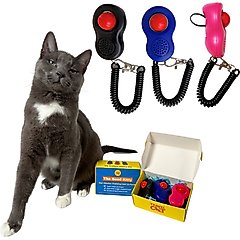
- Clicker train your cat. You can teach your cat commands with clicker training—try the Travel Cat The Good Kitty Clicker Training Set. When cats hear the click, they’ll know they’ll be rewarded with treats, praise, or playtime.
Recommended Product
If gentle grooming turns into a stressful situation or if you notice any other sudden changes in either cat’s behavior, like hiding or aggression, consult a cat behaviorist, Dr. Kong recommends.
FAQs Why Cats Groom Each Other
Is the cat that grooms the dominant one?
Sometimes. In some cases, more dominant cats may groom less dominant cats to reinforce social hierarchies.
Do cats show affection by grooming each other?
Yes. Grooming is often a sign of affection between cats.
Can cats groom each other too much?
Yes, it’s possible for cats to groom each other too much. Overgrooming may lead to irritated skin, hair loss, or bald spots. It can also cause conflict. See your vet if you’re worried about overgrooming.
Attributions