How Much Do Senior Cats Sleep?


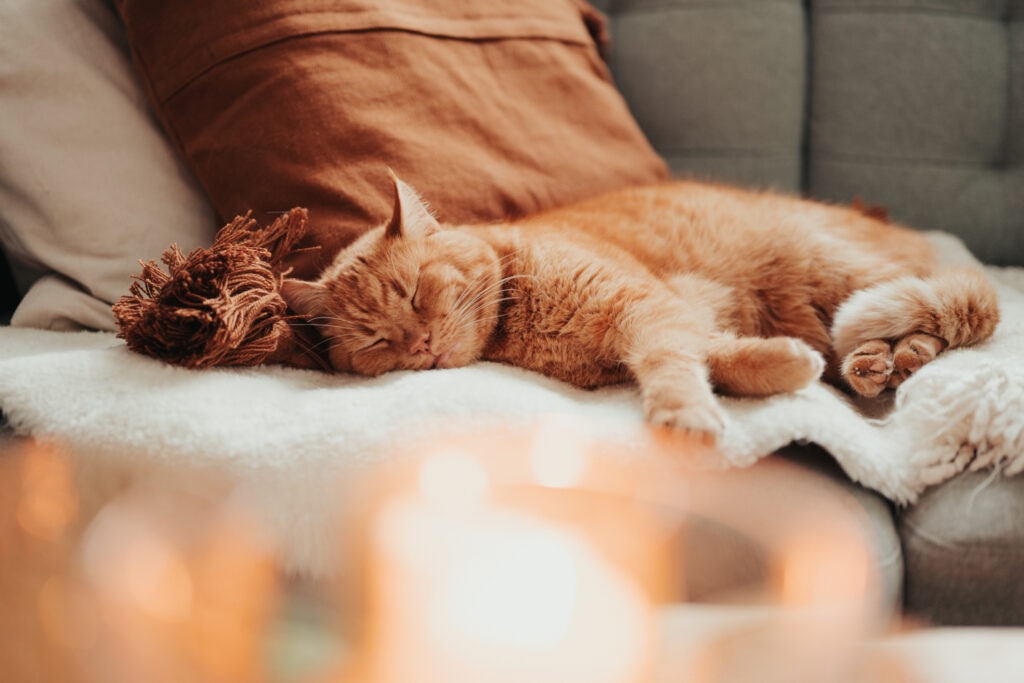
Photo by knape/E+
Some senior cats sleep so much they’re practically professional nappers. But how much sleep is too much?
With guidance from veterinarians, we’ll walk through how to spot the difference between normal senior snoozing and potential health concerns, plus simple ways to support better rest for your cat at home.
Key Takeaways
- Senior cats may sleep up to 18 hours per day, which is more than adult cats.
- You can support better sleep for your senior cat by providing orthopedic bedding, reducing noise, and offering enrichment when your cat is awake.
- Talk to your vet if you notice sudden or dramatic changes in your senior cat’s sleep patterns.
How Much Do Senior Cats Sleep?
Regardless of their age, cats tend to spend at least half of their days sleeping. And in their senior years, their number of rest hours only grows.
Adult cats generally sleep 12–16 hours a day, whereas senior cats can sleep as much as 18 hours a day, says Catriona Love, DVM at Heart of Chelsea Veterinary Group in Seattle.
Although this sleep schedule might seem indulgent—and even enviable to the busy pet parents who witness it—a cat’s sleeping style is different from the way people tend to sleep. Rather than sleeping deeply for hours straight, cats cycle through 20- to 30-minute bursts of deep sleep. In other words, they’re taking catnaps.
This type of sleep cycle is necessary for a cat’s natural predatory state. Instead of one long night’s sleep, potentially leaving them drowsy later in the day, they maintain their sharp, predatory eyes by resting a little at a time.
“Having more frequent sleeps allows them to be more alert and aware for more of the time when they’re awake,” Dr. Love says.
As cats enter their senior years, their body requires more time to rest and recover. Several physical factors contribute to their need for extra hours snoozing, including “a natural decrease in energy levels, age-related physical changes, and a reduced metabolic rate,” says Bethany Hsia, DVM, co-founder of CodaPet.
Is My Senior Cat Sleeping Too Much?
Generally speaking, a senior cat’s sleep schedule will look different from a younger one’s—and that’s normal. But according to Dr. Hsia, “sleeping significantly more than 20 hours a day, or a sudden, drastic increase in lethargy, can be a cause for concern.”
What does that extra lethargy look like in everyday life? Dr. Love says to watch for changes in your cat’s other behaviors.
“I would definitely be worried if a cat stops wanting to eat or go to the litter box or do the other behaviors that they are used to doing,” she explains.
Likewise, if a normally social kitty suddenly withdraws, hides, or avoids interaction, it may be more than just a nap preference—it could signal they’re feeling unwell.
If your cat is unusually hard to wake, appears disoriented, or seems uninterested in activities they once loved, schedule a veterinary visit. These shifts can point to underlying health issues that deserve prompt attention.
Is My Senior Cat Not Sleeping Enough?
On the flip side, some older cats may actually struggle to get good rest. While you won’t see them rubbing their eyes like a tired human, you may notice other subtle clues.
“If you’re paying attention, you’d probably see that they might have trouble getting comfortable,” Dr. Love says. “Like they’re moving a lot, or they’re spending a lot of time trying to get into a position that looks comfortable.”
You may see your cat circling excessively before settling down, or seeking out new areas to lie down. All of these things could be signs that a cat is feeling uncomfortable—potentially because of pain, which “will absolutely contribute to their decreased ability to rest,” Dr. Love says.
Certain medical conditions—including hyperthyroidism, kidney disease, and hypertension—can prevent elderly cats from sleeping soundly, Dr. Hsia says. Chronic pain can also play a big part in disrupting sleep, and this may be what causes cats to appear restless as they search for a comfortable position.
If you see that your senior cat can’t sleep well because of discomfort, talk to your vet.
“Pain in cats is grossly underdiagnosed,” Dr. Love says. “And we know 80% of cats over the age of 8 have arthritis on X-ray when we test them.”
Other behavioral changes can also indicate that your senior cat isn’t resting well. Dr. Hsia says to look for “signs of restlessness, irritability, or increased vocalization at night.”
The tips below will help you give your senior cat the most comfortable sleeping environment. But if unusual behaviors are recurring, a veterinary exam can help uncover and treat any potential underlying cause for poor sleep.
How To Help Your Senior Cat Sleep Soundly
With a few thoughtful adjustments, you can make your cat’s golden years more comfortable—and help them get the rest they need. Here are some expert-backed tips.
1. Reduce Noise and Other Disturbances
Just like people, older cats can become more sensitive to disruptions. Keeping their sleeping area quiet—especially at night—helps them stay relaxed. If your household is bustling, consider setting up a cozy retreat in a low-traffic room.
2. Provide Comfortable Bedding
An orthopedic cat bed can make a world of difference for senior cats with arthritis. Dr. Hsia recommends soft, warm bedding that’s easy to climb into. Options like the Frisco Orthopedic Sofa Bed provide extra joint support.
Recommended Product

3. Play Regularly
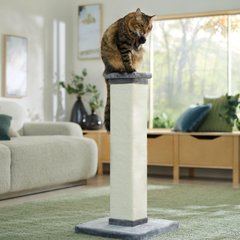
Senior cats still need regular exercise and engagement, even though their preferences may change as they age, Dr. Love says. Gentle activities like playing with wand toys and scratching on a scratching post will keep them active so they can sleep more soundly at night.
Recommended Products


Exercise also helps build muscle tone, which supports your senior cat’s joints and mobility. Just be sure to “avoid vigorous play close to bedtime,” Dr. Hsia says.
4. Stick to a Routine
Cats are creatures of habit, and maintaining that rhythm can help them settle into a healthy sleep schedule.
“A consistent routine, including regular feeding times and play sessions, can help regulate their sleep-wake cycle,” Dr. Hsia says.
5. Offer Mental Stimulation
Sometimes, boredom disrupts rest. Dr. Hsia suggests giving your senior cat plenty of mental stimulation as a way to support better sleep.
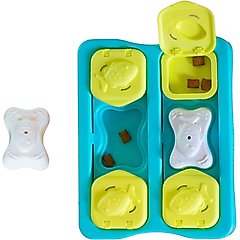
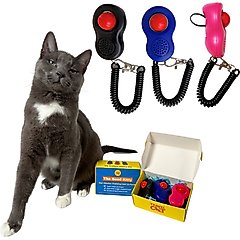
Puzzle feeders, treat-dispensing toys, and short training sessions with a clicker and high-value treats provide gentle enrichment that keeps your senior kitty’s mind sharp—and help prevent restless pacing or nighttime meows.
Recommended Products


When in doubt about your senior cat’s sleep, your vet is your best partner in making sure your cat is aging comfortably and safely.
Attributions