Senior Cat Age: When Is a Cat Considered a Senior?

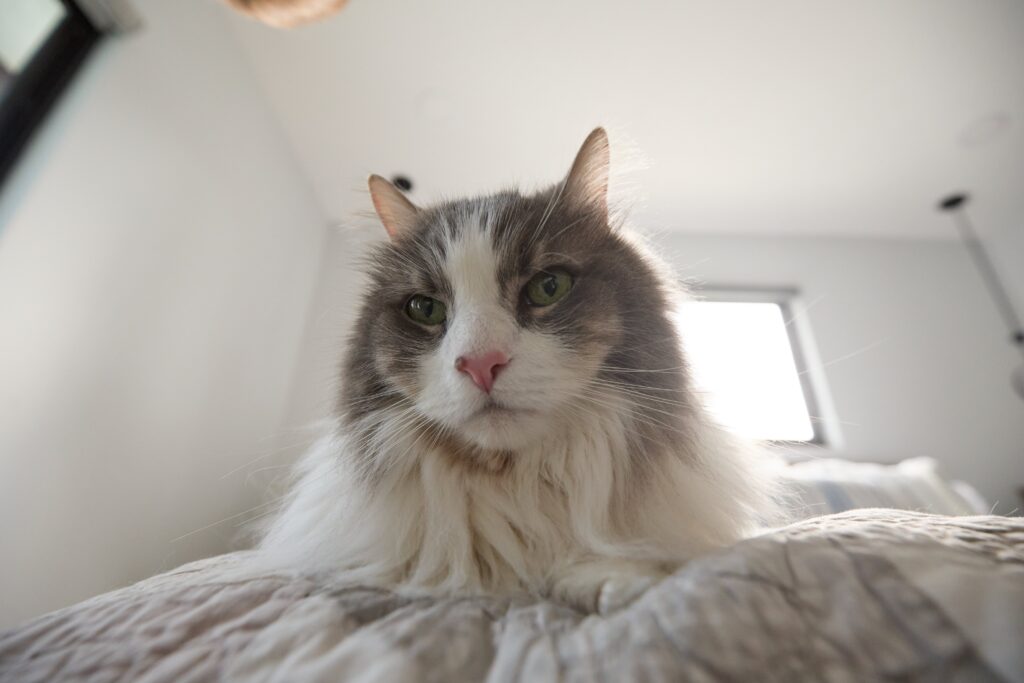
Photo by Chewy
It’s no surprise that as our furry best friends get older, they need a little extra love and TLC. But you might have wondered about your cat’s age and if they’re a senior yet.
So when is a cat considered a senior?
Cats are generally thought of as senior when they reach 10 years of age.
Here’s what your cat’s age means, including its equivalent in human years, and how to help them make the best of this special time in life.
Key Takeaways
- Cats are usually considered seniors around 10 years old, but subtle signs of aging can begin even earlier.
- As your cat ages, you might notice that they’re less active, sleep more, and change their grooming habits.
- Senior cats face a higher risk of chronic conditions like arthritis, kidney disease, and dental problems, so routine vet appointments are very important.
- Small changes at home—like an easy-to-access litter box and a quiet, calmer spot to rest—are great for your cat’s comfort and well-being.
When Is a Cat Considered a Senior?
Cats become seniors when they’re about 10 years old.
To better understand where your cat falls, veterinarians divide a cat’s life into stages. These stages also help estimate how a cat’s age compares to human years.
Because cats have shorter lifespans than people, one cat year is equivalent to several human years.
Cats are generally classified according to their age as follows:
| Age in Feline Years | Age in Human Years | |
|---|---|---|
| Kitten | Birth to 1 year | 0–15 years old |
| Young Adult | 1–6 years old | 16–42 years old |
| Mature Adult | 7–10 years old | 47–60 years old |
| Senior | 10 years or older | 61–74 years old |
| Super Senior | 14 years or older | 78 years or older |
Signs of Aging in Cats
What are the signs of aging in cats? Common signs your cat is getting older include:
- Decreased energy: Your cat might sleep more during the day as their metabolism slows down.
- Decreased mobility: As cats age, their joints can wear down and they may develop arthritis. This causes stiffness and pain when walking or jumping.
- Changes in weight: Healthy senior cats tend to gain weight as they age due to slower metabolisms. However, because seniors are more likely to have health conditions, such as cancer, they may also experience weight loss.
- Decreased appetite: Senior cats tend to eat less food because their energy needs are lower and they’re not as active. So they require fewer daily calories.
- Inadequate grooming: As cat’s age, joint stiffness can make it harder for them to reach certain areas to groom. This can lead to matting and an unkempt coat.
- Bumping into objects: Senior cats may begin losing their vision, which can cause them to bump into objects or have difficulty navigating their environment.
- Hearing loss: If your cat doesn’t respond to their name or other sounds, it could be due to hearing loss. Senior cats lose their hearing due to normal aging changes that occur within the ear canal, such as the thickening of ear drums and loss of nerve cells. These changes interfere with normal sound transmission.
- Peeing or pooping outside their litterbox: Senior cats may have difficulty climbing into the litterbox, so they may have accidents on the floor.
- Cognitive decline: A senior cat’s cognitive function decreases as they age. This can lead to more vocalizations, wandering around the home in a confused state, or hiding.
Common Health Issues in Senior Cats
Senior cats are more likely to develop health issues due to changes in their metabolism, normal aging changes within their joints and organs, and weaker immune systems.
The most common health issues affecting senior cats include:
- Hyperthyroidism
- Chronic kidney disease
- Arthritis
- Obesity
- Dental disease
- Diabetes
- Cancer
How To Care for Your Senior Cat
As your cat enters their senior years, the right care can help them stay comfortable, healthy, and happy.
Caring for a senior cat often means staying on top of routine veterinary care, providing extra support with grooming, and making small adjustments around your home.
Here are a few ways you can support your senior cat’s health and quality of life:
Schedule Regular Vet Visits
Senior cats should visit the veterinarian at least twice a year for preventive care. If they have a chronic medical issue, these visits will be more frequent.
Follow your veterinarian’s recommendations for how often you should pop in.
Provide a Calm Resting Space
Give your cat a private, cozy area to rest in.
Seniors can become stressed more easily due to physical and behavioral changes, so a comfortable place goes a long way.
You can add a comfy bed, a blanket, and a calming diffuser for maximum comfort.
Recommended Products



Feed a Senior-Specific Diet
Senior cat foods are specially formulated to support the needs of older cats.
While they’re not as calorie-dense as adult cat food—senior cats are less active and have slower metabolisms—they do contain many essential ingredients, such as high-quality protein, omega-3 fatty acids, antioxidants, and glucosamine or chondroitin to help keep your cat at a healthy weight and feeling their best.
For an added health boost, you can even start your cat on senior food as young as 7 years old to get a head start. Ask your veterinarian which diet is best for your cat.
Recommended Products


Support Dental Health
Senior cats are more likely to develop dental disease due to tartar buildup and weakening dental structures.
Daily teeth-brushing at home and dental cleanings by a veterinarian at least once a year are essential for supporting your cat’s oral health.
Recommended Products


Dental treats can help reduce plaque buildup as well.
Recommended Products


Help With Grooming
Joint issues like arthritis or other types of pain might prevent your cat from grooming as much as they used to. Use a grooming brush to help keep your cat’s fur in good shape.
Recommended Product
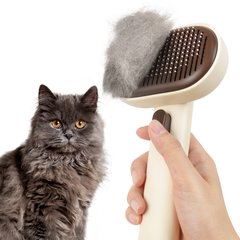
If they have matted fur, ask a veterinarian or groomer for help.
Maintain a Healthy Weight
Senior cats have slower metabolisms, so they’re at risk for obesity. They need fewer calories each day to maintain their weight.
After switching to a senior cat food, refer to the package label for specific feeding amounts based on your cat’s weight.
Recommended Product

Your veterinarian can also provide feeding instructions if needed.
You can still offer your cat tasty treats, but do so only in moderation.
Recommended Product

Provide an Easy-Access Litter Box
Because senior cats often have stiff joints, a litter box with lower sides can be easier for them to enter. As a bonus, they’ll help your cat pee and poop where they’re supposed to—and not on the floor.
Recommended Product

FAQs About Senior Cat Age
How old is a senior cat?
Cats generally become seniors when they reach 10 years of age.
Is it possible to have a 20-year-old cat?
Yes, it’s possible to have a 20-year-old cat. Cats can live long lives with proper care and nutrition, though 20 years old is exceptional and rare.
How old do cats live?
The average cat life span is 13–17 years, though some cats can live longer depending on factors like gender (females usually live longer), nutrition, and overall health.
How old can cats live?
While most cats don’t reach extreme ages, some can live well into their 20s with excellent care. The oldest recorded cat lived to be 38 years old, though this is very rare.