Cat Teeth Cleaning: A Complete Guide to Cat Dental Care

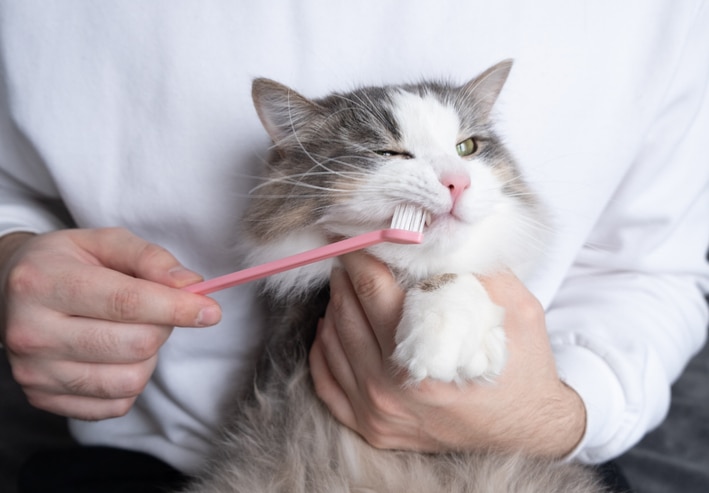
Photo by Irina Kashaeva/iStock/Getty Images Plus
Dental care might not be the first thing that comes to mind when it comes to your cat’s health, but it’s actually a very important part of keeping them in good shape—and it goes way beyond bad breath.
Here’s what you need to know about your cat’s oral hygiene.
Key Takeaways
- Dental care is essential for your cat’s overall health and can help prevent serious issues like periodontal disease.
- Daily brushing and an annual professional cleaning are the best ways to control plaque and tartar buildup.
- Professional cleanings require anesthesia and allow vets to remove tartar below the gumline and extract damaged teeth if needed.
- Costs vary widely, especially if extractions, X-rays, or medications are required, so ask your veterinarian for an estimate in advance.
Why Cat Teeth Cleaning Is Important
Cat teeth cleaning is essential for your cat’s overall health and well-being.
Regular dental care helps:
- Ensure your cat’s teeth are free of plaque and tartar
- Support gum health
- Reduce inflammation in the body
- Lower the risk for chronic health conditions, such as heart disease
Both at-home brushing and professional dental cleanings play an essential role in keeping your cat healthy:
- Daily brushing removes plaque and keeps gums healthy.
- Professional cleanings are typically performed once a year to remove hardened tartar that brushing alone cannot eliminate and to check for any problem areas in the mouth.
Common Cat Dental Issues
If your cat doesn’t get regular dental care, they’re at an increased risk for developing the following conditions:
- Gingivitis: With this condition, gums become inflamed when plaque or tartar builds up on the teeth. It results in red, swollen gums that may bleed.
- Periodontal disease: When inflammation becomes severe due to lack of proper dental care, the ligaments holding the teeth in place loosen. This results in significant pain and can lead to tooth loss.
- Fractured teeth: If a cat chews on a hard object or has a traumatic injury, such as a fall, teeth can chip and expose the root. This can lead to mouth infections.
- Tooth resorption: When a cat’s own body begins to break down their teeth, the gums develop sores and nerves become exposed. This leads to pain and excessive drooling.
- Stomatitis: This immune-mediated condition causes severe inflammation within the whole mouth, which leads to red, swollen gums that bleed frequently.
- Tooth root abscess: When an infection occurs around the root of the tooth due to bacteria, an abscess develops. This creates a pocket of pus around the tooth root, which is very painful for your cat.
Poor oral hygiene can also cause other health issues when bacteria spread into the bloodstream or inflammation in the mouth triggers inflammation elsewhere.
Health conditions that may occur from poor dental hygiene include:
- Chronic kidney disease
- Liver disease
- Endocarditis (heart infection)
- Chronic bronchitis
- Diabetes
Why Professional Cat Dental Cleaning Is Important
Professional dental cleanings by a veterinarian can tackle tooth issues you may not be able to prevent at home with daily brushings. For example, a dental cleaning can remove hardened tartar and plaque, including just below the gumline, to prevent the progression of dental disease.
Dental X-rays can visualize the area of the tooth below the gumline for signs of resorption, decay, tumors, or abscesses that need to be addressed.
During a teeth cleaning, your cat will:
- Be placed under anesthesia
- Have their teeth examined, scaled, and polished
- Have any loose or damaged teeth removed
A thorough exam and blood work are done beforehand to make sure your cat is healthy enough to receive anesthesia, and your cat’s vital signs are continuously monitored throughout the process.
Dental cleanings are done by your primary care veterinarian once a year, but some cats may require more frequent cleanings as they age. Veterinary dentists can also perform these procedures for a usually higher fee because they’re specialists.
How Much Does Cat Teeth Cleaning Cost?
The average cost of teeth cleaning in cats in 2025 ranged from $300 to more than $680 in the United States, but that might not include everything.
Cat teeth cleaning costs vary widely based on whether you use a primary or specialty dentist and where you live—not to mention whether your cat needs any teeth extracted.
These factors can up the cost:
- Pre-cleaning blood work
- Tooth extractions
- Medications, such as antibiotics or pain control
- Dental X-rays
- Supportive care, such as IV fluids
Ask your veterinarian for an estimate, and see if your pet insurance has a policy that might cover it.
Recovery From Cat Dental Cleaning
After a dental cleaning, your cat’s teeth and mouth may be a little sore. Here’s how to keep them comfortable at home:
- Offer soft meals: Provide wet food to encourage eating while their mouth heals.
Recommended Product

- Choose gentle treats: Soft treats are easier on sore gums.
Recommended Product

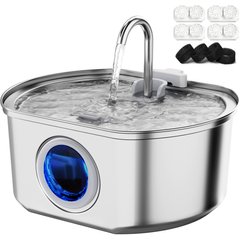
- Encourage hydration: Keep them hydrated post-procedure.
Recommended Product
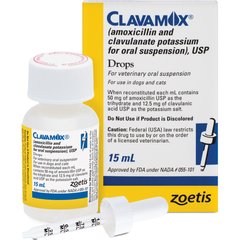
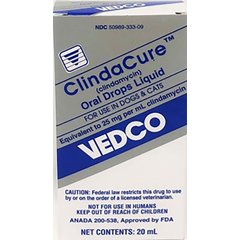
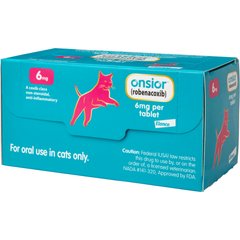
- Administer medications as directed: Give any medications exactly as prescribed by your veterinarian. In some cases, antibiotics like Clavamox or ClindaCure are prescribed to treat or prevent infections, while pain medications like gabapentin or Onsior can help ease your pet’s discomfort.
Recommended Products
How To Brush Your Cat’s Teeth at Home
Brushing your cat’s teeth at home is a great way to minimize the time they spend in the dentist’s chair.
You’ll remove plaque before it has a chance to harden while freshening your cat’s breath.
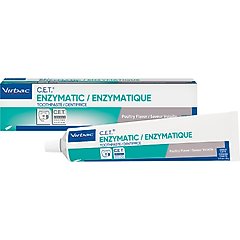
First, pick a cat-specific toothbrush and cat-friendly toothpaste.
Recommended Products

Then, follow these steps in our Chewtorial:
Other Ways To Keep Your Cat’s Teeth Clean
Daily brushing should always be your first line of defense, but there are additional products that can support your cat’s oral health.
Other vet-approved products that can help keep your cat’s teeth clean include:
- Dental treats, such as Greenies, help reduce plaque buildup through mechanical chewing action
Recommended Product

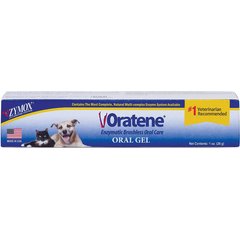
- Dental gel, such as Oratene, contains enzymes that help break down bacteria in the mouth
Recommended Product
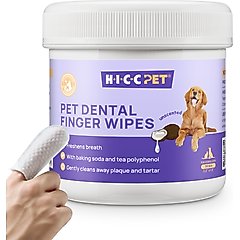
- Dental wipes, such as the HICC Pet Finger Glove, allow you to physically remove plaque from the tooth surface
Recommended Product
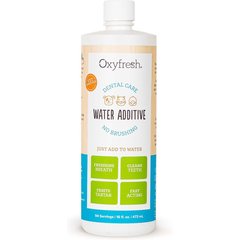
- Water additives, such as Oxyfresh, help reduce oral bacteria and freshen breath
Recommended Product
- Dental chew toys encourage chewing, which can help scrape away mild plaque while providing enrichment
Recommended Products


Remember, these products should complement—not replace—daily brushing and professional cleanings.
FAQs About Cats and Teeth Cleaning
Do cats need their teeth cleaned?
Yes. Cats need their teeth brushed at home, but they also need their teeth professionally cleaned at a veterinarian’s office.
How often should cats get their teeth cleaned?
Cats should have their teeth professionally cleaned by a veterinarian once a year. Cats with dental issues may require more frequent cleanings, but you should speak with your vet for guidance.
How do I get plaque off my cat’s teeth?
A toothbrush and toothpaste made specifically for cats removes most plaque from their teeth before it has a chance to harden. However, professional cleanings are still necessary to remove all plaque.