The Best Senior Cat Food: A Guide to Feeding Your Senior Cat

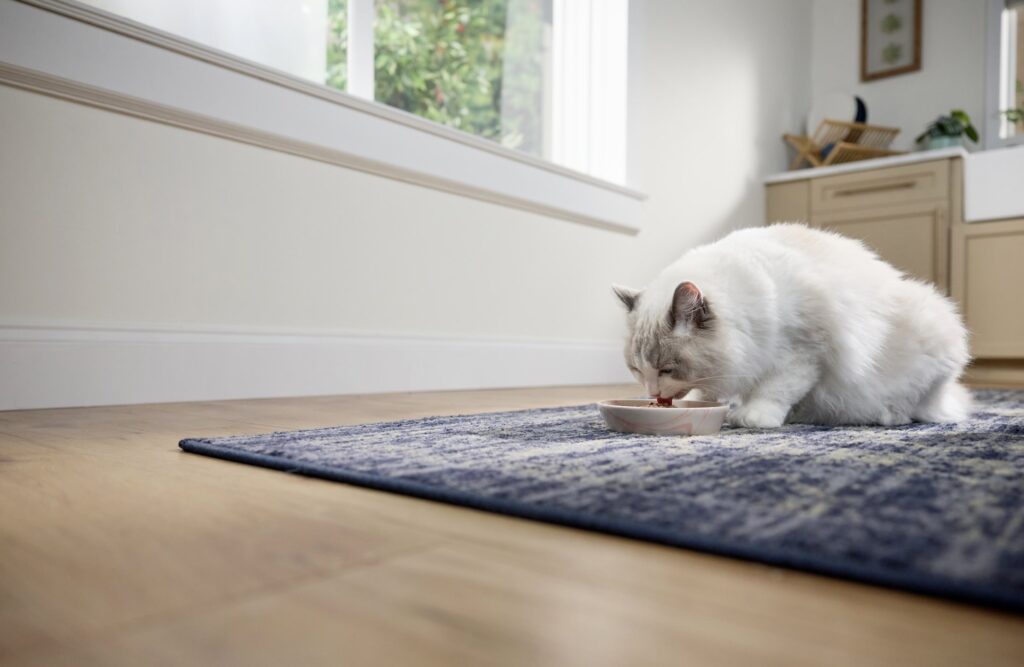
Photo by Chewy
If your cat’s entering their golden years, senior cat foods can be a great way to meet their nutritional needs.
But they’re not always the right choice. Here’s how to make a smart nutritional decision for your feline friend and how to pick out the best cat food for senior cats.
Key Takeaways
- Senior cat food is designed to support your older cat’s changing nutritional needs, but not every cat needs a special diet.
- Some senior cat foods contain easily digestible proteins, added antioxidants, and omega-3 fatty acids to support healthy aging.
- There’s no single best senior cat food—the right choice depends on your cat’s age, health, activity level, and preferences.
- Wet food can be a great option for senior cats who could use a little extra hydration.
- Always check with your vet before switching to senior cat food.
What Is Senior Cat Food?
Every cat needs to eat a complete and balanced diet, and pet parents should choose the proper one for their life stage.
While the Association of American Feed Control Officials (AAFCO) sets nutritional standards for adult cats, it doesn’t have separate standards for seniors. So, senior cat foods generally need to meet the AAFCO nutritional standards for adult maintenance.
However, pet foods often have special formulas that can benefit senior cats.
Here are some of the most common adjustments made for our older feline friends:
- Digestible protein: Senior cats may have a harder time digesting and absorbing some nutrients. Including highly digestible protein sources can help protect against muscle loss.
- Moderate fat levels: The ability to digest fat can also decline with age, so adding a little extra fat can help some cats maintain their caloric intake. Lower fat levels may be better for overweight cats, however.
- Reduced phosphorus: Cats with chronic kidney disease may benefit from diets with restricted phosphorus levels.
- Added fish oil: Omega-3 fatty acids from fish oil may reduce inflammation and support brain health.
- Extra antioxidants: Vitamin E, vitamin C, beta-carotene, and other antioxidants may help protect cells, tissues, and organs from free radical damage.
- Enhanced palatability: Older cats can become finicky, so making foods extra tasty encourages them to eat more.
However, seeing the word “senior” on a cat food label doesn’t guarantee that it has all these characteristics, and some adult formulas are perfectly appropriate for senior cats.
Your veterinarian can help you pick out foods that will meet your senior cat’s needs.
When Does a Cat Need Senior Cat Food?
Cats age at different rates, but as a rule of thumb, most cats are considered mature adults around 7 years of age and seniors when they are over 10 years old.
That doesn’t mean that every cat should automatically be switched to a different food on a specific birthday, however. Other factors to keep in mind include health and lifestyle.
A very active 10-year-old cat who is in perfect health has different nutritional needs than a 10-year-old who is overweight and spends most of their time sleeping in the sun.
It’s always best to get your veterinarian’s input before making any big changes to your cat’s diet, and this includes switching to a senior cat food.
What Is the Best Senior Cat Food?
There’s no senior cat food that is best for every cat.
The right choice depends on your cat’s age, health, and lifestyle, but here are some vet-approved options to consider.
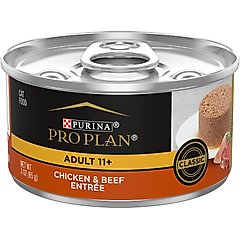
Best Wet Cat Food for Senior Cats
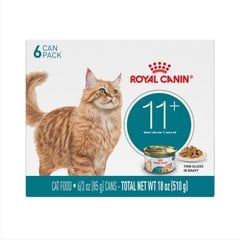
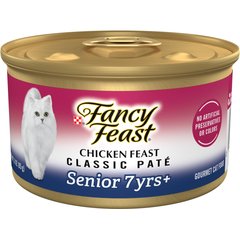
The high moisture content of senior canned cat food can be especially valuable for older cats who need help maintaining adequate hydration.
Some vet-approved options include:
Recommended Products
Best Dry Cat Food for Senior Cats
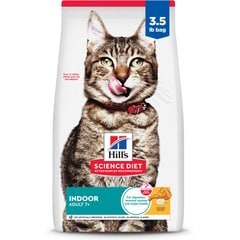
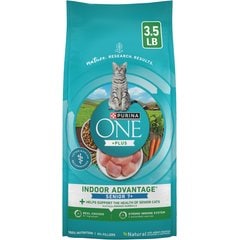
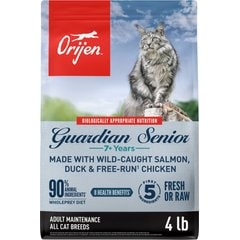
Dry food can be a less expensive and more convenient option. Plus, some cats simply prefer it.
Some vet-approved options include:
Recommended Products
Best Budget Senior Cat Food
A complete and balanced senior cat food doesn’t have to be expensive.
Some vet-approved options include:
Recommended Products
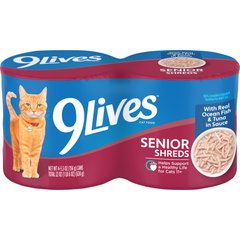

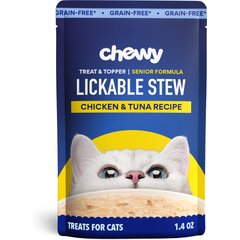
Best Food Toppers for Senior Cats
Toppers are a great way to add some variety and hydration support to your cat’s diet without a complete overhaul—just make sure your cat continues to eat their complete and balanced cat food too.
Some vet-approved options include:
Recommended Products
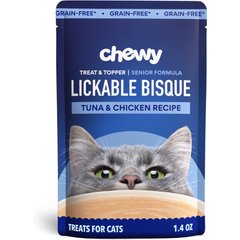
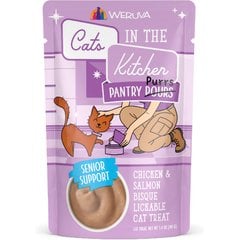
Best Treats for Senior Cats
Treats are important but make sure that a complete and balanced cat food makes up 90% of your cat’s daily calories.
Some vet-approved choices to be given in moderation include:
Recommended Products
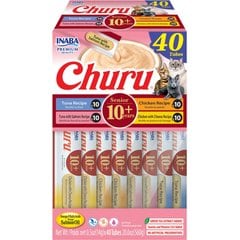
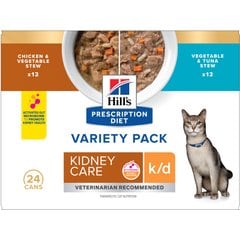
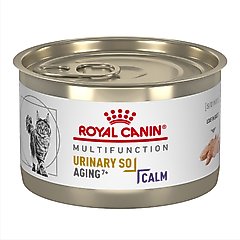
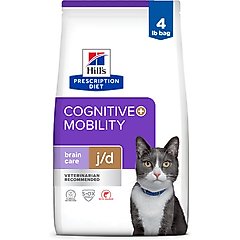
Best Cat Food for Senior Cats With Health Conditions
Senior cats with arthritis, kidney disease, or other health problems often benefit from prescription diets designed to manage specific conditions. Your veterinarian can help determine which diet is appropriate for your cat.
Some options include:
Recommended Products
How To Choose a Senior Cat Food for Your Cat
Here’s how to pick the most appropriate food for your senior cat:
- Look for an AAFCO statement of nutritional adequacy on the label.
- Consider wet food if hydration is a concern.
- Factor in your cat’s preferences. The best diet is one your cat will actually eat.
- Confirm your choice with your veterinarian, especially if you know or suspect that your cat has a health problem.
How To Transition Your Cat to a Senior Diet
Whenever possible, it’s best to gradually transition to your cat’s new diet.
- Mix a small amount of your cat’s new food into their current food.
- Slowly increase the proportion of new food and decrease the proportion of old food over seven to 14 days.
- If your cat develops an upset stomach, slow down or go back a step. If your cat refuses to eat, contact your veterinarian promptly.
FAQs About Senior Cat Food
Is senior cat food worth it?
It depends. A senior cat food will better meet the nutritional needs of some older cats, but not necessarily all of them. Plus, senior cat foods can be very different from each other, so it’s best to talk to your veterinarian before making a change.
What is the healthiest food for senior cats?
There’s no single healthiest food for every senior cat. The best senior cat foods all provide complete and balanced nutrition through the inclusion of highly digestible, quality ingredients. Your veterinarian can help you pick out some good options that will meet your cat’s individual needs.
How many times a day does a senior cat need to eat?
Most senior cats do well eating at least two meals a day, although smaller, more frequent meals can sometimes be beneficial.