What Fruits Can Cats Eat?



Photo by Chewy
A cat’s diet should mainly consist of meat, but did you know cats can eat some fruits too?
So, which fruits are safe, and how much fruit is OK? Here’s what to know about the fruits that cats can eat.
Key Takeaways
- Cats can eat some fruits in small amounts, but fruit should only be an occasional treat.
- Because cats are obligate carnivores, most of their diet should come from complete and balanced cat food that contains meat.
- Fruit and other treats should make up no more than 10% of your cat’s daily calories.
- Always check that a fruit is cat-safe before sharing, and talk to your vet first if your cat has a health condition or eats a special diet.
Can Cats Eat Fruit?
Yes, cats can eat some fruits. In small amounts, they can even offer:
- A little extra fiber
- Antioxidants
- Hydration
Still, cats are obligate carnivores, so their diet should mainly consist of a complete and balanced cat food that features meat.
Think of fruit as a low-calorie special treat rather than a supplement to your cat’s diet. Always talk to your vet before offering fruit, especially if your cat has a health condition like diabetes or eats a special diet.
Fruit and other treats should make up no more than 10% of your cat’s daily calories.
What Fruits Can Cats Eat?
While these fruits contain beneficial vitamins, minerals, and fiber, cats typically won’t—and shouldn’t—eat enough to reap much benefit.
Cats also don’t process vitamins the same way we do. For example, cats make their own vitamin C, and they can’t convert beta-carotene into vitamin A. What’s more, cats can’t taste sweetness, so fruit may be less appealing to them than we might expect.
Here are 18 fruits that are safe for cats to eat in moderation.
- Health benefits: A bit of fiber
- How to serve: Remove the stem, seeds, core, and peel from the raw apple, then cut into bite-size pieces.
- Serving size: 1–2 small bite-sized pieces (¼-inch squares) one or two times a week
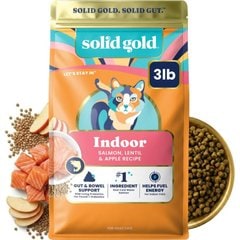
You can also try a store-bought treat or food with apples.
Recommended Products

- Health benefits: Soluble fiber that can act as a prebiotic to support digestion, plus a little potassium
- How to serve: Remove the peel and cut a 1-inch slice into bite-size pieces.
- Serving size: 1 inch of a sliced banana no more than a few times per week
You can also treat your cat with a banana-shaped toy or bed.
Recommended Products


- Health benefits: Low in calories, rich in fiber, vitamins, and antioxidants, plus a bit of omega-3 fatty acids
- How to serve: Cut fresh blackberries in half.
- Serving size: 1–2 blackberries one or two times a week
- Health benefits: Antioxidants that help fight cell damage, plus a little fiber and hydration (blueberries are about 85% water)
- How to serve: Squish the raw blueberry or cut it in half.
- Serving size: 1 blueberry one or two times a week
You can also try a store-bought treat or food with blueberries.
Recommended Products


Cantaloupe
- Health benefits: Antioxidants and fiber
- How to serve: Remove the rind and seeds, then cut the fresh fruit into bite-size pieces.
- Serving size: 1–2 bite-sized pieces one or two times a week
You can also treat your cat with a cantaloupe-shaped toy.
Recommended Product

- Health benefits: A bit of vitamins A and K, plus antioxidants and potassium
- How to serve: Cut the skinless meat of the fresh cherry into bite-size pieces. Never give your cat the pit, stems, or leaves of the cherry, as these contain compounds that can release cyanide.
- Serving size: A bite-size piece of cherry flesh that’s free from both the pit and skin one or two times a week
You can also treat your cat with a cherry-shaped toy.
Recommended Product

Cranberries
- Health benefits: Antioxidants that help fight cell damage and reduce inflammation, plus a little fiber. They’re low in sugar when served fresh and plain.
- How to serve: Cut the raw cranberry into quarters.
- Serving size: 1–2 cranberries one or two times a week
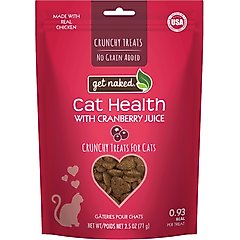
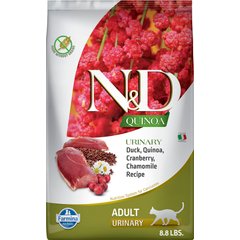
You can also try a store-bought treat or food with cranberries.
Recommended Products
- Health benefits: Low in calories, high in water content (95% water), and some fiber, vitamin K, and magnesium
- How to serve: Cut fresh cucumber into bite-size pieces.
- Serving size: 1–2 bite-sized pieces one or two times a week
You can also treat your cat with a cucumber-shaped toy.
Recommended Products


Kiwi
- Health benefits: A little fiber, vitamin K, plus some hydration
- How to serve: Remove the peel of the fresh kiwi, then cut the flesh into bite-size pieces.
- Serving size: 1–2 bite-sized pieces one or two times a week
You can also treat your cat with a kiwi-shaped toy.
Recommended Product

- Health benefits: A little fiber, antioxidants, and some hydration
- How to serve: Remove the peel and pit of the fresh mango, then cut the flesh into bite-size pieces.
- Serving size: 1–2 bite-sized pieces one or two times a week
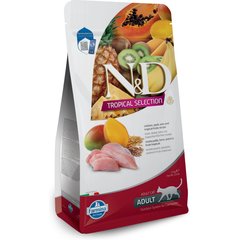
You can also try a store-bought treat or food with mango.
Recommended Products

- Health benefits: Fiber to aid digestion, plus antioxidants, vitamin A, and potassium
- How to serve: Cut the skinless meat of the fresh peach into bite-size pieces. Never give your cat the pit, stems, or leaves of the peach, as these contain compounds that can release cyanide.
- Serving size: A teaspoon-size piece of peach flesh that’s free from both the pit and skin one or two times a week
You can also treat your cat with some peachy accessories.
Recommended Products


- Health benefits: A little extra hydration (fresh pineapple is about 86% water) and fiber
- How to serve: Remove the rind and core of fresh pineapple, then cut into bite-size pieces.
- Serving size: 1–2 bite-sized pieces one or two times a week
You can also treat your cat with a pineapple-shaped toy or bed.
Recommended Products


Plum
- Health benefits: Rich in vitamins A and C, which support the immune system and eye health, plus fiber to aid digestion and antioxidants for immune health
- How to serve: Cut the skinless meat of the fresh plum into bite-size pieces. Never give your cat the pit, stems, or leaves of the plum, as these contain compounds that can release cyanide.
- Serving size: A teaspoon-size piece of plum flesh that’s free from both the pit and skin one or two times a week
- Health benefits: Fiber may help ease mild constipation and diarrhea, reduce hairballs, and keep your cat feeling fuller between meals, which can support weight management.
- How to serve: Pour pumpkin puree (not pumpkin pie mix) in their bowl or lick mat.
Recommended Products


- Serving size: ½ teaspoon (for smaller cats and kittens) to 4 teaspoons (for large adult cats) a few times a week, or according to your veterinarian
You can also try a store-bought treat or food with pumpkin.


- Health benefits: Low in calories, rich in fiber, vitamins, and antioxidants, plus a bit of omega-3 fatty acids
- How to serve: Cut fresh raspberries in half.
- Serving size: 1–2 raspberries one or two times a week
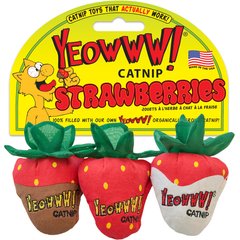
- Health benefits: One of the lower-sugar fruits, plus hydration (strawberries are about 91% water), fiber, and antioxidants
- How to serve: Cut the raw strawberry into small, bite-size pieces.
- Serving size: One strawberry a couple of times a week
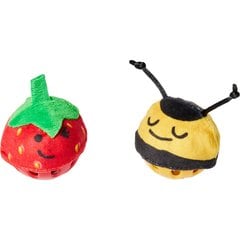
You can also treat your cat with a strawberry-shaped toy.
Recommended Products
- Health benefits: A little extra hydration (tomatoes are about 94% water), antioxidants that help fight cell damage, plus a bit of fiber
- How to serve: Raw ripe, red tomatoes only, with the stem and leaves removed, cut into bite-size pieces.
- Serving size: 1–2 bite-sized pieces one or two times a week
You can also try a store-bought treat or food with tomatoes.
Recommended Products


- Health benefits: High in water content and low in calories (about 1 calorie per teaspoon)
- How to serve: Remove the rind and any seeds, then cut the watermelon into small, bite-size cubes.
- Serving size: 2–3 bite-size pieces one or two times a week
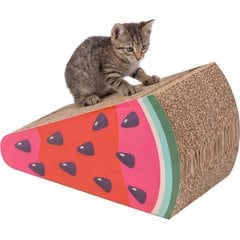
You can also treat your cat with a watermelon-shaped toy.
Recommended Product
What Fruits Can Cats Not Eat?
These are some of the most common fruits your cat should not eat. However, it’s not comprehensive, so always ask your vet before introducing new foods into your cat’s diet.
If you suspect your cat has eaten something toxic and you can’t reach your veterinarian, call Pet Poison Helpline (855-764-7661; a fee applies) or ASPCA Animal Poison Control Center (888-426-4435).
FAQs About Cats and Fruit
Can cats eat pineapple?
Yes, cats can eat fresh pineapple in small amounts. It offers a little hydration and fiber, but it’s fairly high in sugar and acidic, so offer only a small, peeled, and cored piece occasionally. Skip canned pineapple in syrup.
Can cats have mango?
Yes, cats can have a small amount of mango as an occasional treat. Mango is one of the highest-sugar fruits, so keep portions tiny. Always remove the skin and pit before serving.
Can cats eat raspberries?
Yes, cats can eat raspberries in small amounts. Rinse them well and offer one or two berries at a time as an occasional treat.
Attributions