Veterinary Diets for Cats: Why Your Vet May Recommend One

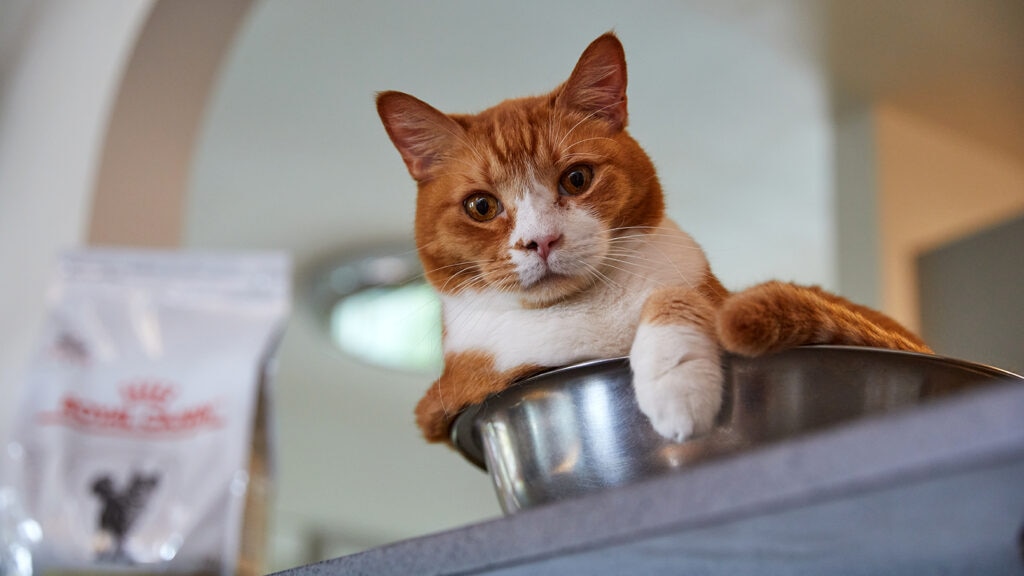
Photo by Chewy
Veterinary diets for cats—also called therapeutic diets—are specially formulated foods that help manage certain health conditions. Because veterinary diet cat food isn’t appropriate for every cat, it can only be purchased with veterinary authorization.
Here’s what veterinary diets are, how they work, and why your veterinarian may recommend one.
Check in with your veterinarian before making any changes to your cat’s diet.
Key Takeaways
- Veterinary diets are specially formulated foods designed to help support cats with certain health conditions.
- A veterinarian may recommend a veterinary diet as part of managing conditions involving the lower urinary tract, kidneys, digestion, weight, food sensitivities, or other health concerns.
- Veterinary diets are different from everyday maintenance foods and should be selected with veterinary guidance.
- If your veterinarian recommends a veterinary diet, feed it as directed and check with them before switching foods or adding other foods, treats, toppers, or supplements.
What Are Veterinary Diets for Cats?
Veterinary diets for cats help manage certain health conditions because they have different ingredients or amounts of particular nutrients. For example, a therapeutic food for cats with hyperthyroidism contains very little iodine, which the body needs to make thyroid hormone. In contrast, regular cat foods are designed to meet the nutritional needs of healthy cats.
Only certain cats will benefit from eating a veterinary diet, and some cats can actually be harmed if they are fed ones that they don’t need. This is why you should only feed your cat a therapeutic diet that has been recommended by your veterinarian.
Why Might a Cat Need a Veterinary Diet?
Veterinarians recommend therapeutic diets for cats as a part of the treatment plan for many different health concerns.
Lower Urinary Tract Health
Cats with urine crystals, bladder stones, or feline idiopathic cystitis, may benefit from a veterinary urinary diet.
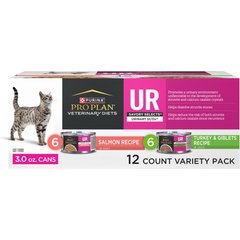
Foods like Purina Pro Plan Veterinary Diets UR Urinary St/Ox create an environment that’s less favorable to crystal and stone formation and help keep urine dilute.
Recommended Product
Kidney Health
Veterinary diets can improve quality of life and longevity in cats diagnosed with chronic kidney disease.
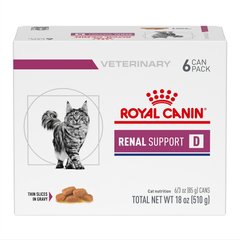
Royal Canin Veterinary Diet Adult Renal Support D and similar foods typically have a moderate amount of high-quality protein and reduced levels of phosphorus along with omega-3 fatty acids and antioxidants.
Recommended Product
Digestive Health
Cats with gastrointestinal problems, such as vomiting or diarrhea, may also benefit from a veterinary diet.
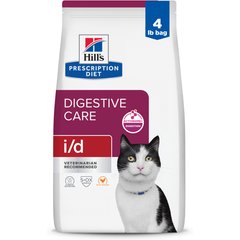
Foods like Hill’s Prescription Diet i/d Digestive Care are often made with highly digestible ingredients and contain specific types of fiber to support the gut microbiome and improve stool quality.
Recommended Product
Food Sensitivities
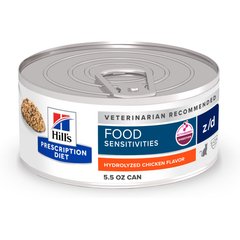
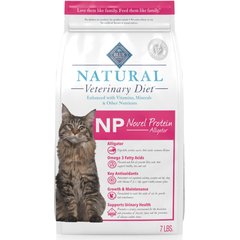
Veterinarians will often prescribe cats with food allergies a therapeutic diet made with hydrolyzed protein or a novel protein source that won’t trigger an immune response.
Hill’s Prescription Diet z/d is made with hydrolyzed protein, while Blue Buffalo Natural Veterinary Diet NP Novel Protein Alligator Grain-Free Dry Cat Food is a good example of a novel-protein veterinary diet.
Recommended Products
Weight Management
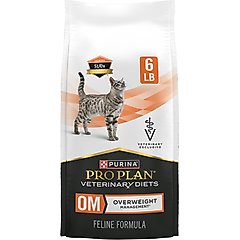
Veterinary cat foods for weight-management are formulated to help overweight and obese cats lose weight quickly and safely. Simply feeding less of a cat’s regular food can lead to extreme hunger, nutrient deficiencies, and loss of muscle mass.
Foods for weight loss, like Purina Pro Plan Veterinary Diets OM Overweight Management, tend to be relatively low in fat and calories and high in fiber and protein.
Recommended Product
Other Health Needs
Veterinary diets for cats are also available for other conditions, including:
- Diabetic support
- Cognition and joint support
- Fearful behavior
- Dental care
- Hyperthyroidism
- Recovery
Your veterinarian can recommend the best veterinary diet based on your cat’s specific needs.
How Are Veterinary Diets Different From Regular Cat Food?
Veterinary diets can be very helpful, but they’re not right for every cat or under all circumstances. Let’s look at the major differences between veterinary diets and regular cat foods.
Veterinary Diet vs Regular Cat Food
| Veterinary Diet | Regular Cat Food | |
|---|---|---|
| Intended Use | Cats with diagnosed health concerns | Healthy cats |
| Nutrient Profiles | Certain nutrients may fall within more precise ranges or be lower or higher than recommended for healthy cats | Should follow AAFCO guidelines |
| Nutritional Supplements | May be included, perhaps at higher levels | May be included |
| Veterinary Authorization | Required | Not Required |
| Testing and Quality Control | More rigorous | Typical |
| Cost | Generally more expensive | Generally less expensive |
Veterinary diets are not automatically higher-quality or healthier. For the right cat, they can do a lot of good, but given to the wrong cat, they aren’t beneficial and can even be harmful.
How Do You Get Veterinary Diet Cat Food?
Pet parents need to have a veterinarian’s authorization before they can purchase a veterinary diet.
Your vet may be able to sell you the food they’re recommending or give you a prescription that you can take to a local pet supply store.
In most cases, online retailers can directly contact your veterinarian for approval if you provide their contact information during check out.
How To Choose a Veterinary Diet for Your Cat
The right veterinary diet depends on your cat’s diagnosis, their age, and overall health. A veterinarian who is familiar with your cat’s case is in the best position to recommend a specific diet and monitor how your cat responds to it.
How To Transition Your Cat to a Veterinary Diet
Follow your veterinarian’s guidance when switching your cat to a new veterinary diet. In many cases, a gradual transition is best, but there are exceptions depending on your cat’s medical condition.
- Follow your veterinarian’s feeding instructions. Some cats should transition gradually, while others may need to start their new food right away.
- Gradually mix in the new food. If your veterinarian recommends a slow transition, increase the amount of the new food while decreasing the old food over the course of one to two weeks. This gives your cat’s digestive system time to adjust and may make them more willing to accept the new diet.
- Encourage your cat to eat. If needed, try soaking dry food in a little warm water or warming wet food slightly to make it more appealing.
- Monitor your cat’s appetite. If your cat isn’t eating well after a day or two, contact your veterinarian. There are often several veterinary diets available for the same condition, and your vet may recommend a different flavor, texture, or brand.
Can Cats Eat Treats While on a Veterinary Diet?
Cats on a veterinary diet should not be given human foods, supplements, treats, other cat foods, and toppers unless a veterinarian says it’s OK to do so.
Because these diets are so carefully formulated, adding anything else, even in small amounts, may interfere with how well the diet works.
How Long Do Cats Stay on a Veterinary Diet?
How long a cat needs to stay on a veterinary diet depends on what health problem is being managed and how well the cat responds to the food.
Some cats may only need to eat a veterinary diet for a few days or weeks while they are recovering from an acute illness, but cats with chronic conditions often need to stay on a vet-recommended cat food for life.
FAQs About Veterinary Diets for Cats
Do veterinary diets for cats require vet authorization?
Yes. Veterinary diets are formulated to manage specific health problems, so a veterinarian has to provide authorization before you can purchase them.
Can a healthy cat eat veterinary diet food?
It depends. Some veterinary diets can harm a healthy cat while others simply wouldn’t be beneficial. Avoid feeding therapeutic food to a healthy cat unless your veterinarian says it’s safe.
Are veterinary diets better than regular cat food?
Not necessarily. Veterinary diets are formulated to help cats with specific health problems, not to be better than regular food for healthy cats.
Can you mix veterinary diet food with regular cat food?
Only if a veterinarian says it’s OK. Adding regular food can add unwanted ingredients or change the specific nutrient profile that makes a veterinary diet effective.
What if my cat won’t eat their veterinary diet?
Talk to your veterinarian. They can recommend a different flavor, texture, or brand that will have a similar effect, or suggest strategies that will encourage your cat to eat.