Make This Yummy Bone Broth Recipe for Dogs or Cats


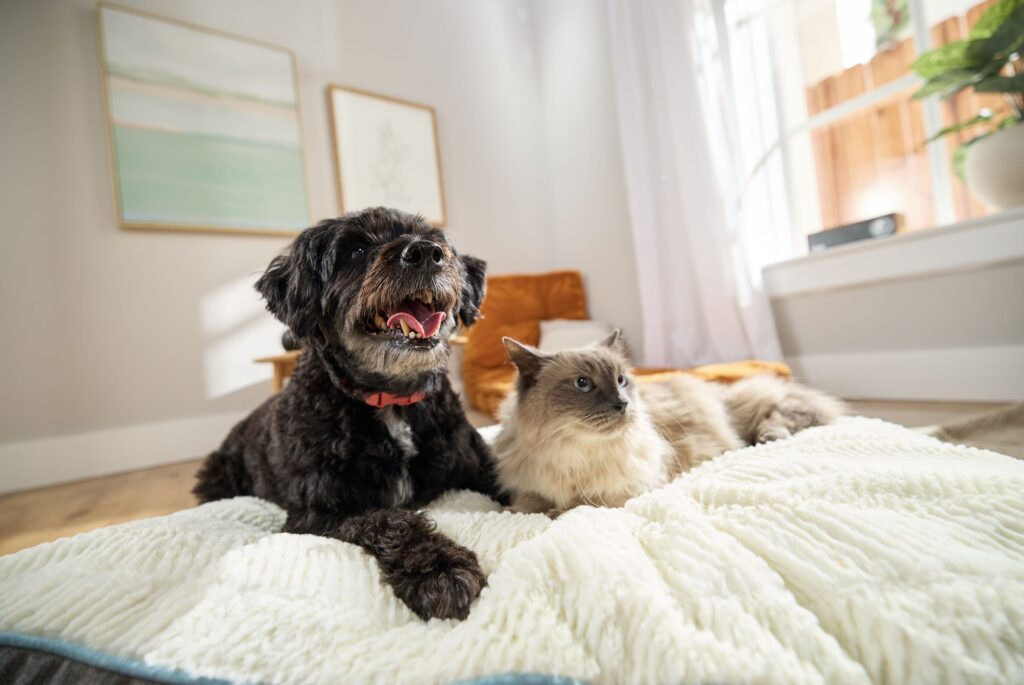
Photo by Chewy
Bone broth is a nutrient-rich treat or food-topper that both dogs and cats can enjoy. It’s easy to buy already made, but why not go the extra mile and create a batch at home?
This bone broth recipe for dogs and cats is easy to whip up. All you need is a handful of simple, pet-safe ingredients; an Instant Pot, slow cooker, or stock pot; and a few other supplies you likely already have in your kitchen.
Always check with your dog or cat’s vet before offering them new foods.
Belly-Warming Bone Broth Recipe for Dogs and Cats
Yield:
About 6 cups
Serving size:
2 tbsp per 20 pounds of body weight
Prep time:
30 minutes
Cook time:
2–8 hours, plus 30 minutes for cooling
Ingredients
- 4–4 1/2 pounds chicken backs, wings, drumsticks, or thighs
- 2 carrots, peeled and chopped
- 2 celery stalks, chopped
- 3 sprigs fresh thyme
- Water to cover, about 1 1/2 quarts
Supplies
- Instant Pot, slow cooker, or stock pot
- Knife
- Cutting board
- Peeler
- Strainer
- Cheesecloth (optional)
- Ice cube tray (optional)
- Mason jars (optional)
Instructions
- Add the chicken, carrots, celery, and thyme to the Instant Pot. Pour in enough water to cover the ingredients, about 1 1/2 quarts.
- For the Instant Pot: Cover and cook on high for 2 hours. Allow the Instant Pot to depressurize with a natural release. Once the Instant Pot is safe to open, remove the lid and let it cool for 30 minutes. For the stock pot: Cook uncovered over low heat for 4 hours. For the slow cooker: Cook covered on low heat for 8 hours.
- Set a strainer over a large bowl and pour the chicken bone broth through. For clearer broth, line the strainer with cheesecloth. Discard the solids, especially the bones, remaining in the strainer.
- Cool to room temperature, then chill 3–4 hours or until any fat on the surface has solidified. Scoop off the fat and discard it. Divide the broth into desired portion sizes and store in an airtight container (ice cube trays make handy portions in smaller batches for smaller pets!) and freeze until ready to use.
This bone broth recipe for dogs and cats was created by cookbook authors Marge Perry and David Bonom.
How To Serve Bone Broth to Dogs and Cats
Bone broth can be served in a few ways. Here are some popular options.
Food Topper
Broth is a great, hydrating food topper to encourage picky eaters to chow down. You can also drizzle some broth on your cat’s dry food or dog’s kibble to moisten it up. Allow the broth to cool before serving.
Frozen Treat
Pour broth into ice cube trays; once frozen, they make for easy-to-serve, tasty treats. Limit servings to one cube a day.
Nutritious Drink
Once the broth has cooled, pour into a bowl or cup, and let your pet lap it up—but don’t go overboard! Serve about 1 ounce (or 2 tablespoons) per 20 pounds once a day.
While your dog or cat may want this homemade bone broth all the time, don’t forget: This recipe is intended for intermittent or supplemental feeding.
How To Store Bone Broth
As for storing bone broth, you can refrigerate it, store it in Mason jars, or pour into ice cube trays.
Mason jars
- Once your broth is cooled to room temperature, simply pour the broth into each jar, leaving at least 1 inch of space from the top of the jar to allow the liquid to expand as it freezes.
- Screw on the lid, but don’t seal it all the way; this helps the glass from breaking.
- Label the jar with the date you cooked it and freeze upright.
- Once the broth is completely frozen (usually after 24 hours), screw on the lid entirely.
- Store for no more than three months. When you’re ready to use, put the jar in the fridge to defrost overnight.
Ice Cube Trays
- Once your broth is cooled to room temperature, pour the bone broth into the trays, filling each section 3/4 full.
- Place trays in the freezer.
- Store for no more than three months.
Refrigerator
- If you plan to refrigerate your leftovers, do so within one hour of preparation and consume the broth within three to four days.
- If your pet cannot consume within that time frame, freeze the broth.
Benefits of Bone Broth for Pets
For starters, “bone broth is a tasty source of hydration,” says Stephanie Howe, DVM, a pet health representative at Chewy.
It’s also a great way for picky eaters or pets dealing with mild digestive upset to increase their water intake.
Bone broth also has other health benefits. For example, it:
- Improves skin and coat health
- Promotes joint health
- Supports liver and lung health
- Improves gut health
Dangers of Homemade Bone Broth for Pets
While some veggies, like carrots and sweet potatoes, are OK to add, certain human-grade soup ingredients are not safe for pets.
Here’s what to avoid in your bone broth for your dog or cat:
- Salt, onions, and garlic can be toxic to pets and should not be included in your bone broth. “Large amounts of salt can be toxic to pets and cause brain swelling and damage,” Dr. Howe explains. Garlic, onions, and other plants in the Allium family (leeks, chives, scallions, for example) contain disulfides and thiosulfates, “which can severely damage a pet’s red blood cells and can cause the red blood cells to die,” she adds.
- Cooked bones can be very harmful if swallowed by a pet. So, make sure you remove any cooked bones or solid bone splinters before serving it to your pet, Dr. Howe advises.
Be sure to check before adding anything additional to your bone broth to make sure it’s not dangerous to your dog or cat.
Otherwise, enjoy!
FAQs About Bone Broth for Pets
How much bone broth can I give to my dog or cat?
Homemade bone broth is a nutritious supplement to dog food or cat food, but—like any other treat—it should make up no more than 10% of your pet’s daily food intake.
Which ingredients should I avoid when making homemade bone broth for my pet?
Salt, onions, and garlic can be toxic to pets and should not be included. Remove any cooked bones or solid bone splinters before serving. Avoid adding any ingredients that contain xylitol, such as many seasonings, because it can be poisonous to animals. Always confirm that an ingredient is not toxic before adding it.
What are some of the health benefits of bone broth for dogs or cats?
Bone broth made for dogs or cats can be a flavorful source of hydration, while improving your pet’s skin and coat, joint, lung, gut, and liver health.
Attributions