Bone Broth for Cats: Benefits and How To Serve It

Photo by Zaikina/iStock/Getty Images Plus
Many cats have a complicated relationship with water—and it can be tough to get them to drink enough of it too.
Bone broth for cats is a simple, tasty way to sneak some hydration, as well as nutrients, into their diet. Here’s why it might be beneficial for your feline bestie.
Talk to your veterinarian before adding new foods or supplements to your cat’s diet, especially if they have existing health conditions or dietary restrictions.
Key Takeaways
- Bone broth can be a tasty way to help your cat stay hydrated.
- Choose a bone broth made specifically for cats—human broths may contain harmful ingredients.
- Bone broth may support skin, brain, and joint health in cats, but more research is needed.
- Some cats, including those with certain health conditions like hyperthyroidism or kidney disease, should only have bone broth with their vet’s approval.
- Serve bone broth as an occasional treat or topper, not a replacement for your cat’s complete and balanced diet.
What Is Bone Broth for Cats?
Bone broth is a rich, thick stock made by cooking animal bones, ligaments, tendons, and cartilage in water for a long time. Vegetables and other ingredients may be added as well.
The long cooking time releases nutrients like:
- Collagen (which turns into gelatin)
- Glucosamine
- Chondroitin
- Calcium
- Magnesium
- Phosphorus
In comparison, regular broth is made by cooking meat, bones, and vegetables in water for a shorter time, which doesn’t release as many nutrients and results in a thinner, but still tasty, liquid.
You’ve probably seen bone broth for people on grocery store shelves. While versions for cats are much the same, they don’t include onions, garlic, and other ingredients that can make cats sick.
You can also cook bone broth for cats at home, but make sure you’re working from a vet-approved recipe.
Can Cats Have Bone Broth?
Yes, cats can have bone broth, and most of them love it. However, they should never have bone broth intended for humans that contains ingredients toxic to cats.
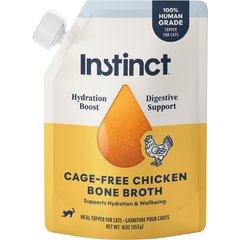
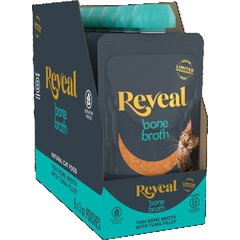
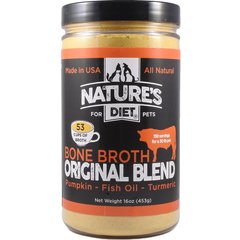
Plenty of cat-safe bone broths are available, including:
Recommended Product
Recommended Product
Recommended Product
Is Bone Broth Good for Cats?
There isn’t a lot of scientific research into bone broth for cats, but it may offer some benefits.
Cat-safe bone broth may:
- Support hydration: Bone broth is a flavorful way to increase your cat’s fluid intake, especially if they’re reluctant to drink plain water. Offer it in a separate bowl alongside—not instead of—fresh water.
- Boost appetite: If your cat is finicky or has a poor appetite, mixing a small amount of bone broth into their food can encourage them to eat. You can also soak dry kibble in warm broth to soften it and make it easier to chew.
- Provide calories and nutrients: For cats who aren’t eating well, bone broth can provide some extra calories and nutrients.
- Support joint health: The cooking process releases glucosamine, chondroitin, and collagen into the broth, all of which may be beneficial for joint health.
- Other potential benefits: Amino acids and other nutrients in bone broth may play a role in skin, gut, and brain health.
However, it’s unclear whether the small amount of bone broth that cats consume provides much of a nutritional boost.
Can Bone Broth Be Bad for Cats?
Yes, some bone broths can be dangerous for cats, and not every cat should eat or drink it in general.
Avoid the following bone broths:
- Bone broth containing onion or garlic: Onion, garlic, and other toxic foods for cats are commonly found in bone broths meant for people. It’s safest to opt for a bone broth made specifically for cats.
- Other seasonings: Herbs and spices that aren’t toxic can still be irritating to your cat’s digestive system.
- High-sodium broths: Grocery store broths, like chicken broth, are often very high in sodium, which cats don’t need.
If your cat has any of the following issues, you should ask their vet before giving them bone broth:
- Hyperthyroidism: If your cat has hyperthyroidism and is on an iodine-restricted diet, bone broth may contain enough iodine to reduce the effectiveness of the therapeutic diet.
- Kidney disease: For cats with kidney disease, the extra phosphorus and protein in bone broth may be a concern.
- Food sensitivities: Cats with food allergies or other types of adverse food reactions may react to bone broth if it contains their triggering ingredients.
Vet-Approved Bone Broths for Your Cat
You can add bone broth to your cat’s diet in several ways.
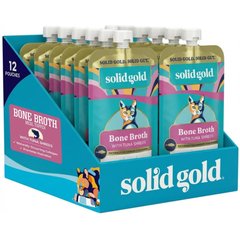
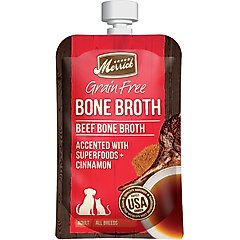
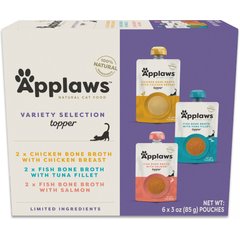
Liquid bone broth and bone broth food toppers are ready-made to add to food or pour into a bowl.
Recommended Product
Recommended Product
Recommended Product
Bone broth powder can be sprinkled on food dry or mixed with water for hydration support.
Recommended Product

Recommended Product
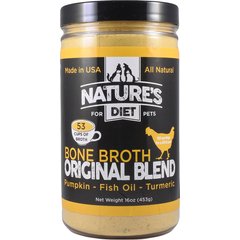
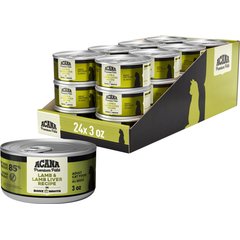
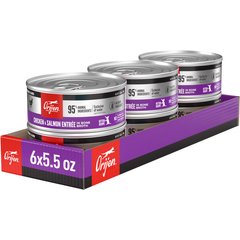
Cat food made with bone broth is a convenient option.
Recommended Product
Recommended Product
How To Serve Bone Broth to Your Cat
Getting started is easy. Here’s how to introduce a cat to bone broth:
- Check the bone broth label or recipe. Confirm there’s no garlic, onion, excessive sodium, or other ingredients that are dangerous for cats. As long as you stick to a broth made especially for cats, this should be a cinch.
- Start small. Initially only offer 1 or 2 tablespoons of bone broth to see how your cat reacts to it.
- Serve it warm. Gently warming the broth enhances its aroma and makes it more appealing to cats—but make sure it’s not too hot.
- Try different presentations. Mix it into wet food, use it to soak kibble, or serve it in its own small bowl alongside fresh water.
- Keep it as a supplement. Don’t let broth crowd out your cat’s complete and balanced meals. Bone broth is not a meal replacement and, like other treats, should be no more than 10% of your cat’s diet.
FAQs About Bone Broth for Cats
Can kittens have bone broth?
Just a little. Don’t give kittens more than a tablespoon of cat-safe bone broth a few times a week as a treat. Nutritional imbalances can be especially dangerous for kittens.
Can cats have broth every day?
Maybe. Talk to your veterinarian if you plan on giving your cat bone broth every day. Giving your cat too much of any type of supplement or treat could lead to digestive upset and nutritional imbalances.
Can cats have chicken broth?
Maybe. A little bit of low-sodium chicken broth that doesn’t contain toxic ingredients like onions or garlic usually won’t do any harm, but it’s best to stick to a broth made especially for cats. If you must give your cat something else in a pinch, ask your veterinarian first.