Can Cats Eat Canned Tuna?


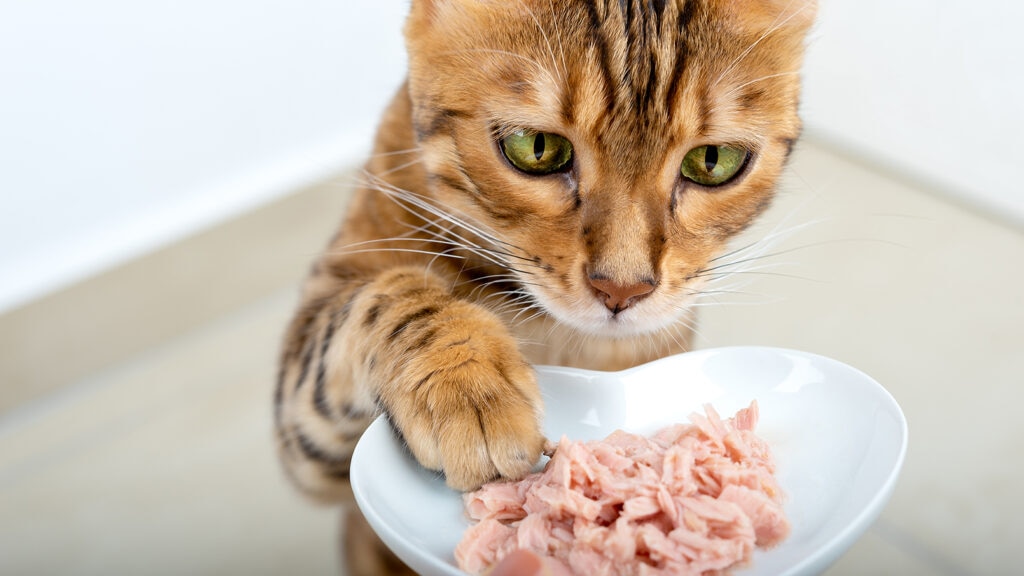
Photo by Svetlana Sultanaeva/iStock/Getty Images Plus via Getty Images
Few sounds grab a cat’s attention faster than the pop of a tuna can. But can cats eat canned tuna?
Yes, cats can have a small amount of plain, canned tuna packed in water. Just don’t let their enthusiasm fool you into making it a regular meal. Tuna is best enjoyed as an occasional treat alongside a complete and balanced cat food.
Before introducing any new food into your cat’s diet, always check with your veterinarian.
Key Takeaways
- Yes, cats can eat a small amount of plain tuna packed in water as an occasional treat.
- Skip tuna packed in oil, flavored tuna packets, and heavily salted varieties.
- Tuna isn't a complete meal for cats and can cause problems if it starts replacing their regular food.
- Too much tuna can create a nutritional imbalance and mercury concerns.
Can Cats Have Canned Tuna?
Yes, cats can have a small amount of canned tuna, but not every can is the same.
The best option is plain tuna packed in water, such as canned chunk light tuna or albacore tuna with no added salt, seasonings, sauces, or flavorings.
Avoid tuna packed in oil, which is higher in fat and more likely to cause stomach upset. You should also skip seasoned tuna packets, flavored tuna, and tuna mixed with ingredients like garlic, onion, herbs, or spicy seasonings.
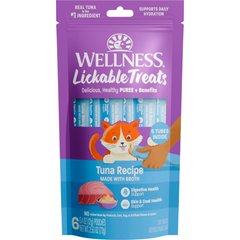
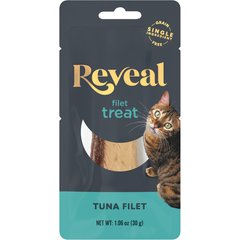
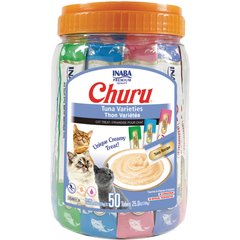
If you’d rather opt for something made specifically for your kitty, there are plenty of tuna-flavored cat treats you can choose from. Here are some cat-approved options:
Recommended Products
Is Canned Tuna Good for Cats?
Yes, canned tuna can be good for cats in small amounts.
Unlike many people foods, tuna is an animal-based protein. Because cats are obligate carnivores—meaning they’re designed to get most of their nutrition from meat—tuna is a more natural fit for their diet than many human snacks.
A few possible benefits of plain, canned tuna include:
- Protein: Tuna is high in protein, which helps support muscles, skin, and overall health.
- Omega-3 fatty acids: Tuna contains omega-3 fats, which play important roles in skin health and maintaining a healthy coat.
- Vitamin B12 and selenium: Tuna also provides vitamin B12 and selenium, nutrients that help support normal nerve function, red blood cell formation, and overall cell health.
The catch? Tuna isn’t nutritionally complete for cats. While a little plain tuna can be a tasty treat, too much can throw off the balance of your cat’s diet and take the place of the nutrients they need.
Is Canned Tuna Bad for Cats?
Problems can arise when cats eat too much tuna or when it isn’t prepared in a cat-friendly way.
Here are the biggest concerns:
- Too much tuna: Tuna shouldn’t become a daily meal or a replacement for your cat’s regular food. Over time, eating too much tuna can create nutritional imbalances because tuna alone doesn’t provide everything cats need. Large amounts may also increase a cat’s exposure to mercury.
- Oil-packed tuna: Tuna packed in oil is much richer than tuna packed in water. The extra fat can be hard on a cat’s digestive system and may lead to vomiting, diarrhea, or stomach discomfort—especially in cats with sensitive stomachs.
- Too many calories: Cats are small, so calories can add up quickly. Regular servings of tuna on top of your cat’s normal meals may contribute to unwanted weight gain over time.
- Added ingredients: Flavored tuna packets and ready-to-eat tuna products often contain salt, seasonings, sauces, or ingredients like garlic and onion that aren’t cat-friendly.
How Much Canned Tuna Can My Cat Eat?
As a general rule, treats—including tuna and other people foods—should make up no more than 10% of your cat’s daily calories. The other 90% should come from a complete and balanced cat food.
For most healthy adult cats, up to 1 tablespoon of plain, canned tuna once a week is enough. Small, occasional portions are all most cats need to enjoy the taste without crowding out the nutrition they get from their regular diet.
How To Safely Feed Canned Tuna to Your Cat
If you want to share a little canned tuna, a few simple precautions can help keep this fishy treat from causing problems:
- Choose tuna packed in water, not oil.
- Make sure it’s plain and unseasoned. Avoid flavored tuna packets, sauces, and seasonings.
- Offer only a small spoonful.
- Drain off excess liquid before serving.
- Skip tuna salads, tuna casseroles, and other tuna dishes made for people. These often contain ingredients like mayonnaise that aren’t cat friendly.
- Serve it as an occasional treat, not a meal replacement.
My Cat Ate Too Much Canned Tuna—What Do I Do?
A few bites of plain tuna usually aren’t a cause for alarm, but eating too much can leave some cats with an upset stomach, especially if the tuna was packed in oil or contained added ingredients.
Watch for signs such as:
- Vomiting
- Diarrhea
- Low appetite
- Lethargy
- Belly discomfort
Call your veterinarian if symptoms don’t resolve within 24 hours or:
- Your cat ate a large amount of tuna.
- The tuna was packed in oil or contained potentially toxic seasonings like garlic or onion.
- Your cat has an underlying health condition.
- Symptoms are severe.
In most cases, mild stomach upset will pass with time. But if you’re not sure how much tuna your cat ate—or something just seems off—you can also call the Pet Poison Helpline (855-764-7661) for guidance.
FAQs About Canned Tuna for Cats
Can cats eat tuna in water?
Yes, cats can eat tuna packed in water and, in fact, that’s the best option. Just make sure to keep the portion small.
Can cats eat tuna in oil?
It’s best not to. Tuna packed in oil is much richer than tuna packed in water and can be harder for cats to digest. Even a small amount may cause stomach upset in some cats, especially those with sensitive stomachs or pancreatic disease.
Is canned tuna good for cats?
As an occasional treat, it can be. Because tuna is an animal-based protein, it’s a better fit for a cat’s meat-first diet than many people foods. But canned tuna isn’t nutritionally complete, so it shouldn’t replace your cat’s regular food.
Can kittens eat canned tuna?
No, kittens shouldn’t eat canned tuna until they’re at least a year old. During their first year, their calories should come from a complete and balanced kitten food to support healthy development.
Attributions
This article was created with assistance from AI tools. The content has been reviewed for accuracy and edited by a human.