Can Cats Eat Turkey?


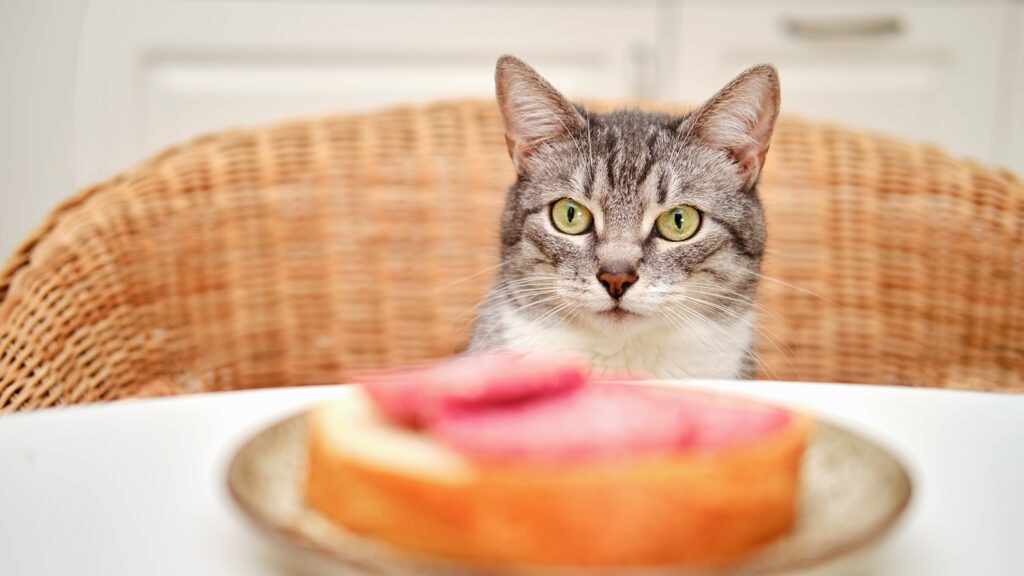
Photo by Adobe/Андрей Журавлев
The second turkey hits the cutting board, some cats magically appear in the kitchen. And honestly, it makes sense—turkey is exactly the kind of meat-based food cats are naturally drawn to. But can cats eat turkey?
Yes, cats can eat a small amount of plain, cooked turkey. Just keep it simple: Skip the skin, bones, deli slices, gravy, and seasoned leftovers. And make sure turkey treats never crowd out a complete and balanced cat food.
Before introducing any new food into your cat’s diet, always check with your veterinarian.
Key Takeaways
- Yes, cats can eat plain, cooked turkey.
- Turkey is one of the better people-food options for cats.
- Avoid bones, skin, seasoned turkey, and deli meat.
- Too much turkey can lead to vomiting, diarrhea, or stomach upset.
Can Cats Have Turkey?
Yes, cats can have plain, cooked turkey with the bones, skin, and excess fat removed.
Just don’t let your cat help themselves to the holiday leftovers. Avoid turkey with gravy and seasoned turkey, especially any that contains garlic or onions, which can be toxic. It’s best to skip deli turkey too. These versions have added sodium and other ingredients that cats don’t need.
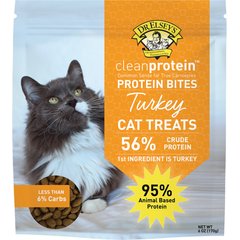
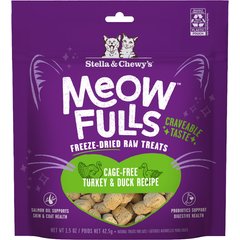
If you’d rather reach for something made for cats instead, a few turkey-based options from the cat treats aisle include:
Recommended Products

Is Turkey Good for Cats?
Yes, of all the human foods cats can eat, turkey is one of the more nutritious options. Because cats are obligate carnivores, animal-based proteins like turkey are a much better fit for their nutritional needs than fruits, vegetables, or grains.
A few benefits of plain, cooked turkey include:
- Protein: Turkey is rich in animal protein, which is exactly the type of nutrition cats are built to eat.
- B vitamins: Turkey contains B vitamins, which help support normal energy metabolism so your cat can keep doing important cat things—like sprinting through the house at 2 a.m.
- Selenium and phosphorus: Turkey also provides selenium and phosphorus, which support things like healthy bones, teeth, and normal cell function.
Is Turkey Bad for Cats?
Turkey can be bad for cats, but it’s usually not the turkey itself that’s the issue. The bigger risks tend to come from bones, fatty pieces, and the ingredients used to season it.
Here are the biggest issues:
- Bones: Cooked turkey bones can splinter into sharp pieces, creating a choking hazard or causing serious injuries to the mouth, throat, or digestive tract.
- Skin and fatty pieces: Your cat may think the skin is the best part, but it’s also where a lot of the fat lives. Too much fat can lead to vomiting, diarrhea, or stomach upset and may be especially problematic for cats with pancreatitis.
- Seasonings and gravy: Garlic, onions, gravy, and spice blends can quickly turn a cat-friendly protein into something riskier.
- Deli turkey: These processed versions often contain added sodium, preservatives, and flavorings that cats don’t need. Too much sodium can contribute to dehydration and stomach upset, while seasoned varieties may contain ingredients that are unsafe for cats.
- Cats with kidney disease: Veterinarians often prescribe cats with kidney disease a diet that has moderate protein and low phosphorus levels. Adding turkey can alter the proper balance of these nutrients.
How Much Turkey Can My Cat Eat?
To avoid nutritional imbalances, keep treats, including turkey, to no more than 10% of your cat’s daily calories. For most healthy adult cats, that’s about 1 or 2 tablespoons of plain, cooked turkey per day.
If your cat is on a veterinary diet or has a history of health issues, check with your vet before adding turkey regularly.
How To Safely Feed Turkey to Your Cat
Turkey is one of the easier people foods to share with cats. The key is keeping it boring. What tastes a little plain to you is exactly what your cat needs.
If you want to share a little turkey:
- Use plain, fully cooked turkey only.
- Remove bones, skin, and excess fat before serving.
- Skip gravy, seasoning, stuffing, and sauces.
- Cut the turkey into small, easy-to-eat pieces.
My Cat Ate Too Much Turkey—What Do I Do?
Too much turkey can upset your cat’s stomach but probably won’t cause serious issues beyond that.
If your cat overindulged, watch for signs such as:
- Vomiting
- Diarrhea
- Low appetite
- Belly discomfort
In many cases, these symptoms will resolve on their own within a day. Call your veterinarian if they last longer than that or if:
- Your cat ate turkey bones.
- The turkey was heavily seasoned or covered in gravy.
- Your cat ate a large amount of skin or fat.
- Your cat is gagging or seems distressed (this can be a sign they swallowed a bone).
If you’re worried and you can’t reach your veterinarian right away, you can also call Pet Poison Helpline (855-764-7661). They’ll tell you whether you should take your cat for emergency care or continue to monitor.
FAQs About Turkey for Cats
Can cats eat deli turkey?
It’s best to skip deli turkey. Deli slices are usually much saltier and more processed than plain, cooked turkey. Many varieties also contain preservatives, flavorings, and seasonings that don’t belong in your cat’s bowl.
Can kittens eat turkey?
That tiny face may be hard to resist, but it’s best to hold off on sharing turkey until your kitten is around a year old. During their first year, kittens need to get almost all their calories from a complete kitten food to support healthy growth and development.
Attributions
This article was created with assistance from AI tools. The content has been reviewed for accuracy and edited by a human.