Slow Feeder Cat Bowls: Do They Work, and How Do You Choose One?

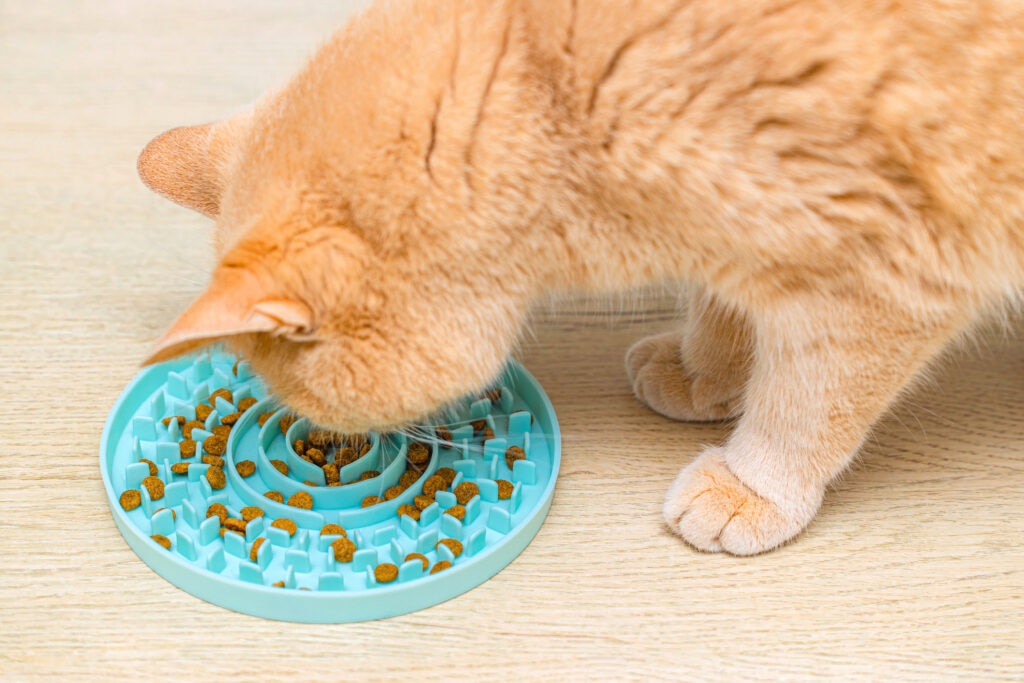
Photo by Oleg Opryshko/iStock Getty Images +
If your cat treats every meal like a competitive eating championship—inhale, sprint away, and (ugh) sometimes bring it right back up—you’re not alone. A slow feeder cat bowl is a dish, mat, or puzzle feeder designed to slow your cat’s eating by making food harder to gulp. It may help cats who eat too fast, regurgitate soon after meals, or need more mealtime enrichment.
Here’s what you need to know about slow feeder cat bowls and if one is right for your feline.
Call your vet if…your cat is vomiting frequently, regurgitating every meal, losing weight, suddenly ravenous, lethargic, having diarrhea, showing blood in their vomit, or having difficulty swallowing. A slow feeder is a mealtime tool—not a treatment for medical problems.
Key Takeaways
- Slow feeder bowls are designed to slow down speedy eaters, reducing the risk of unpleasant after-meal incidents.
- Slow feeder bowls come in various types. Some are better for dry food and some work best with wet food.
- Call your vet if you see sudden changes in your cat's eating habits.
- Introduce your cat to a new slow feeder in stages and look out for signs of frustration.
What Is a Slow Feeder Cat Bowl?
“Slow feeder” is a catch-all term for any feeding dish that turns gulping into grazing. Slow-feeder bowls are designed to make it just a little bit harder for your cat to power through her meal. Common options include:
- Ridged or maze-style bowls
- Silicone lick mats
- Textured dishes
- Puzzle feeders
- Treat-dispensing toys
Some designs work best with dry kibble, while others are ideal for wet food, treats, or food toppers.
Recommended Products
Why Do Cats Eat Too Fast?
There are several reasons cats scarf their meals. Stress, anxiety, changes in the household, or competition with other pets can also contribute to fast eating.
In most cases, speed eating isn’t a symptom of any deeper problem, even if your cat eats fast enough to regurgitate afterward. However, there are times when a change in your cat’s eating should trigger a call to a vet. If you see any of these signs, schedule an appointment to make sure there isn’t an underlying medical cause:
- Sudden spikes in appetite
- Weight loss despite cleaning their bowl
- Any dramatic change in eating habits
- Blood in vomit after eating
- Vomiting regularly after eating
- Diarrhea
- Lethargy
- Difficulty swallowing or gagging while eating
Types of Slow Feeders for Cats
Slow Feeder Cat Bowls
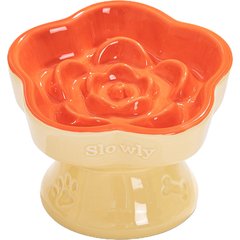
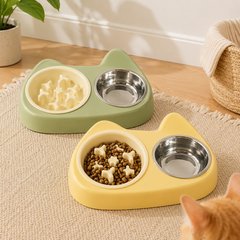
The classic: a bowl with ridges, spirals, or maze walls that your cat has to navigate to reach kibble. Great for everyday dry or mixed meals. Look for shallow ridges (cats give up on canyon-deep grooves) and a non-slip base.
Slow Feeders for Wet Cat Food
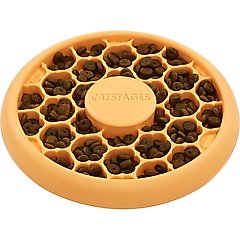
Wet food and deep mazes don’t mix—pâté gets wedged where tongues can’t reach. For wet food, try a lick mat, silicone mat, shallow maze bowl, or textured ceramic dish instead. Spreading wet food thin means lots of licking, which slows things down and can even be soothing.
Puzzle Feeders and Treat Dispensers
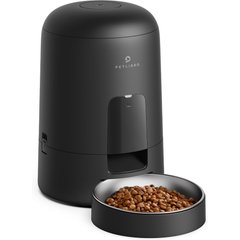
Best for dry food and treats, these make your cat bat, roll, or paw to release a few kibbles at a time. They’re fantastic for smarty-paws cats who need a challenge, and they tap into your cat’s natural instinct to work for food.
Elevated Slow Feeder Cat Bowls
Some cats—especially seniors with creaky joints—may find a raised dish more comfortable. There’s little evidence that elevated bowls prevent vomiting or regurgitation in healthy cats, so they should be chosen primarily for comfort rather than as a medical treatment. Choose one if your cat appears more comfortable eating from it or if your veterinarian recommends it for a specific reason
How to Choose the Best Slow Feeder Cat Bowl
Food type. Wet food works best in bowls with shallow grooves, lick mats, or easy-wash textured plates. Dry food is a good fit for maze bowls and puzzle feeders.
Material. Nonporous materials such as stainless steel, ceramic, and glass are durable, generally dishwasher-safe, and easy to sanitize. Plastic can scratch over time, and those scratches can harbor bacteria—if you go plastic, replace it when it looks worn. Choose ceramic bowls that are food-safe and free of chips or cracks, since damaged ceramic can also harbor bacteria.
Shape and whisker comfort. Many cats prefer wide, shallow designs that don’t squish their sensitive whiskers. Skip anything deep and narrow.
Difficulty level. Start easy for kittens, seniors, flat-faced breeds, and slow-feeder rookies. You can always level up if your cat finishes in record time.
Cleaning ease. Grooves trap food—especially wet food. Dishwasher-safe designs will save your sanity (and your cat’s health).
Stability. A non-slip base keeps enthusiastic paws from turning dinner into a hockey game.
Size. Choose a feeder that’s appropriately sized for your cat’s usual meal. A bowl that’s too small can make eating frustrating, while one that’s too large may not slow your cat down much at all.
How to Introduce a Slow Feeder to Your Cat
Start slow. Serve part of the meal in the slow feeder and the rest in the regular bowl, then shift the ratio over several days. Pick an easy design first, keep it squeaky clean, and feed cats separately in multi-pet homes so no one panic-eats. Watch for frustration, skipped meals, or food guarding—if your cat gives up, has dental issues, or eats wet food, switch to a simpler or shallower design.
Are Slow Feeder Bowls Good for Kittens?
They can be! Eating too fast can cause regurgitation or mild stomach upset in kittens so creative, slow-down strategies like puzzle toys, cupcake pans, or slow feeder bowls can make meals go down a little easier. Choose a shallow, low-difficulty, kitten-sized design, and make sure your little one is still eating enough—growing bodies can’t afford skipped meals.
The Bottom Line
Slow feeders can help many cats pace their meals, add enrichment, and reduce some fast-eating regurgitation—but they’re not a cure-all. Choose based on your cat’s food type, an easy-to-clean material, the right difficulty level, and your cat’s comfort. And when in doubt about any eating or tummy troubles, your vet is always your best first call.
FAQs About Slow Feeders for Cats
Do slow feeder bowls work for cats?
Yes—they can help many cats slow down by making food harder to gulp. They’re especially useful for fast eaters, cats competing with housemates, and kitties who need more mealtime enrichment.
Can a slow feeder stop my cat from throwing up?
It may help if your cat regurgitates because they eat too fast, but it won’t fix every cause of vomiting. Frequent vomiting, weight loss, blood, lethargy, or appetite changes need a vet’s attention.
What is the best slow feeder cat bowl for wet food?
A shallow, easy-to-clean design such as a lick mat, silicone mat, or textured ceramic dish. Skip deep grooves that trap wet food or frustrate your cat.
Are ceramic slow feeder cat bowls better than plastic?
Ceramic is sturdy, nonporous, and easy to clean—just make sure it’s properly glazed and chip-free. Stainless steel and glass are also great; scratched plastic can harbor bacteria.
Can kittens use slow feeder bowls?
Yes. Choose a shallow, low-difficulty design and make sure your kitten is eating enough to support healthy growth. Contact your veterinarian if your kitten seems constantly hungry, loses weight, or vomits frequently.
How do I slow down my cat’s eating without buying a bowl?
Try smaller, more frequent meals, a muffin tin, wet food spread on a flat plate, hidden kibble portions, separate feeding stations, or an interactive food toy.
Are elevated slow feeder bowls good for cats?
Some cats find them more comfortable, but don’t rely on elevation to prevent vomiting. Choose one only if your cat can reach the food easily and seems at ease.
How much longer should a meal take with a slow feeder?
There’s no perfect amount of time, but most veterinarians aim to turn a meal that lasts less than a minute into one that takes several minutes. If your cat becomes frustrated, stops eating, or leaves food behind, the feeder may be too difficult.
Attributions