What Is Renal Cat Food? What To Know for Your Cat’s Health


Photo by Chewy
Renal cat diets are designed for felines with chronic kidney disease, but what’s the difference between regular cat food and renal cat food?
Here’s everything pet parents need to know to manage their cat’s condition.
Key Takeaways
- Renal cat food diets are specially designed and prescribed to meet the need of cats with chronic kidney disease.
- Renal cat food diets contain less phosphorous, different proteins, more potassium and omega-3s, and a more alkaline profile than regular cat food.
- Both wet and dry options are available, each with its own perks. Your vet can help you choose the best option for your own cat.
- Feed a renal diet only under your veterinarian’s guidance.
What Is Renal Cat Food?
Renal cat food is specifically formulated to support the kidney function of cats with renal issues, says Bethany Hsia, DVM, co-founder of CodaPet.
“Cats can experience a range of kidney issues that may necessitate the use of renal foods,” she says.
Those conditions include:
- Chronic kidney disease (CKD)
- Acute kidney injury
- Nephrolithiasis (kidney stones)
How Is Renal Cat Food Different From Regular Cat Food?
There are quite a few differences between regular food and renal cat food, says Sara Ochoa, DVM, a veterinarian at Animal Hospital of West Monroe in Louisiana.
Differences in renal cat food include:
- Reduced phosphorus levels: A cat’s ability to process phosphorus is often impaired by kidney disease. In turn, high levels of phosphorus can stress the kidneys. Renal cat food, therefore, is lower in phosphorus to help protect your cat’s kidneys, slowing the progression of kidney disease and helping to preserve renal function.
- Different protein quality and quantity: Cats are carnivores, and a protein diet is essential. However, when a cat has chronic kidney disease, they need a different type and quality of protein. Renal cat food contains high-quality protein in controlled amounts to help reduce the buildup of waste products that kidneys would otherwise have to filter.
- Increased potassium content: To address the low potassium levels that cats with kidney disease often experience, renal diets have more potassium than traditional cat food.
- Inclusion of omega-3 fatty acids: Many renal diet cat foods contain omega-3 fatty acids because research has shown they can have anti-inflammatory effects and may help improve kidney function, Dr. Ochoa says.
- Altered alkaline properties: Cats with kidney disease can have a more acidic internal environment. Renal foods can reduce acidity and help prevent uncomfortable conditions like the development of kidney stones, says Dr. Ochoa.
Wet vs. Dry Renal Cat Food: Which One To Choose
When it comes to renal cat food, how do canned wet food and dry cat food compare?
While both types of foods are formulated to be nutritionally sound for cats on renal food diets, Dr. Hsia says each type of renal food has its advantages:
Wet food:
- Higher moisture content
- Lower protein content
- Easier to digest
Dry kibble:
- Longer shelf life
- More affordable
Ask your veterinarian which food is best for your individual cat.
Vet-Recommended Food for Cat Kidney Disease
Only your veterinarian can diagnose a kidney issue in your cat and prescribe the right veterinary diet for them.
Therefore, it’s essential to have a vet visit, understand your cat’s kidney condition, and follow the instructions your veterinarian offers you.
If your cat needs a special veterinary diet for chronic kidney disease, it’s important to choose high-quality wet food or dry food.
Your vet can help guide this decision, but here are some popular vet-approved wet food options.
Recommended Products
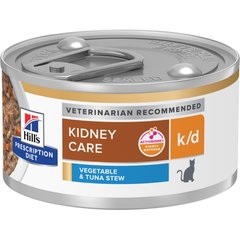
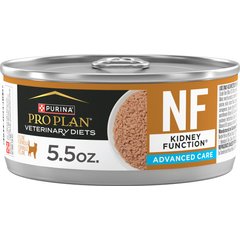
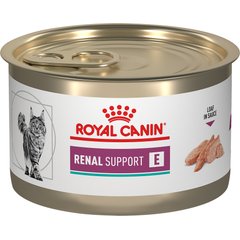
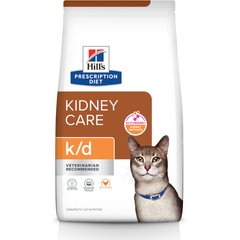
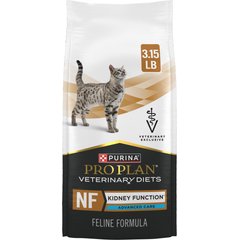
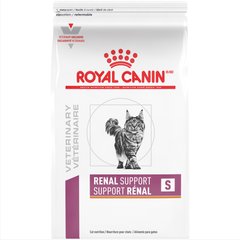
There are also veterinary kibble diets to pick from.
Recommended Products
FAQs About Cats and Renal Diets
Can healthy cats eat renal cat food?
Sort of. Healthy cats can occasionally eat renal food without experiencing serious adverse effects. If they sneak a bite from another cat’s bowl, for example, it’s usually not a big deal. However, cats without kidney issues shouldn’t eat renal cat food on the regular, as it could cause muscle wasting, digestive issues, and other health conditions in cats without kidney problems.
Should cats on a renal support diet take any supplements?
Sometimes, but it’s best to discuss with your vet. Our experts say that cats on renal diets often benefit from supplements with omega-3 fatty acids, vitamin E, or L-carnitine. However, your veterinarian can tell you what they recommend for your cat’s unique circumstances.
Should you feed cats separately if one is on a renal cat food?
Yes. While it’s not the simplest task, it’s important to feed your cats separately when one is on a renal diet. A tiny bit of renal cat food likely won’t hurt a cat without a kidney condition, but they shouldn’t have the opportunity to regularly sample it.
Attributions