Taurine for Cats: What It Is and Why Cats Need It

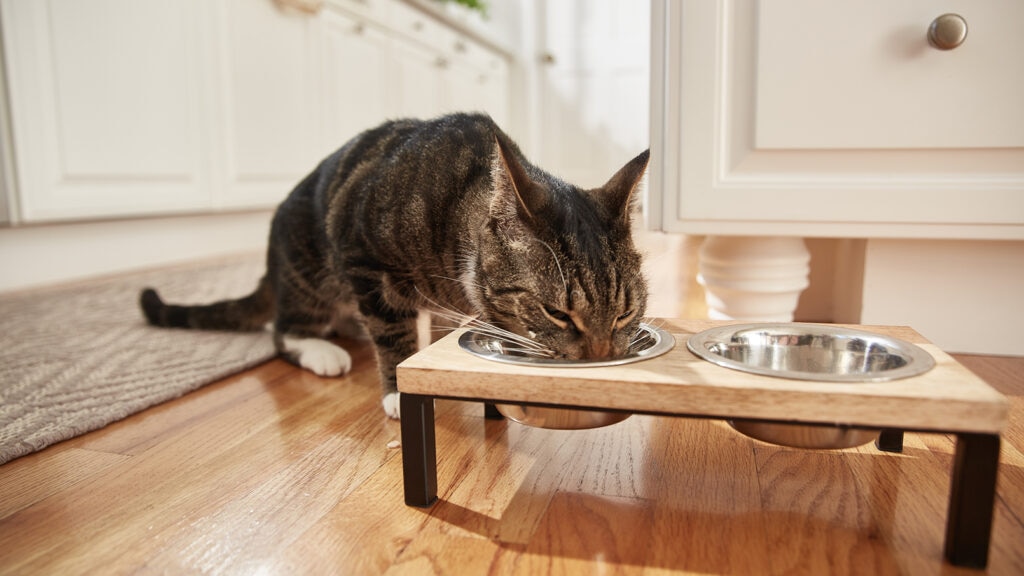
Photo by Chewy
Taurine is an essential nutrient for cats, but many pet parents don’t think much about it until they see it on a cat food label. If cats don’t get enough taurine, they can develop serious health problems.
Here’s why taurine matters, where cats get it, and how to make sure your cat is getting enough.
Key Takeaways
- Taurine is an essential amino acid for cats because their bodies cannot make enough of it to meet their needs.
- Taurine supports several important functions, including heart health, vision, digestion, reproduction, and immune function.
- Commercial cat foods labeled complete and balanced should provide appropriate amounts of taurine.
- Most cats eating a complete and balanced diet do not need a separate taurine supplement unless a veterinarian recommends one.
What Is Taurine?
Taurine is an essential amino acid for cats. This means that even under the best conditions, their bodies can’t make enough taurine to meet all their physiologic and metabolic needs. Therefore, a cat’s diet has to provide enough taurine, or eventually, they will get sick.
What Does Taurine Do for Cats?
Unlike most amino acids, taurine doesn’t join up in long, folded chains to form proteins. Instead, it’s found within cells throughout a cat’s body, as well as in bile—a liquid produced by the liver that helps with digestion.
Key taurine benefits for cats include:
- Maintaining healthy retinal cells that are needed for normal vision
- Helping muscles stay strong, including muscles in the heart
- Forming bile salts that are especially important for fat digestion
- Maintaining white blood cells and immune function
- Supporting healthy pregnancies and kitten growth, including the development of the central nervous system
How Much Taurine Do Cats Need?
Thankfully, any kitten or cat food that follows guidelines put forward by the Association of American Feed Control Officials (AAFCO) will provide enough taurine for healthy individuals.
According to the AAFCO Cat Food Nutrient Profiles, the minimum taurine percentage (on a dry matter basis) for all cats are:
- Dry foods: 0.1%
- Canned foods: 0.2%
Cats may have a harder time making use of the taurine in canned foods, which is why more is required. But as long as your cat is healthy and eating enough AAFCO-compliant cat food, you don’t need to worry about giving them extra.
Where Do Cats Get Taurine?
Cats get taurine primarily from animal tissues, including fish, shellfish, meat, and organ meats. Plant-based ingredients contain very little taurine, which is one reason cats are obligate carnivores.
Commercial cat foods also often contain added taurine to replace some that’s lost during processing and to help ensure the food meets cats’ nutritional needs.
While animal tissues naturally contain taurine, feeding cats meat alone doesn’t provide complete and balanced nutrition. If you want to prepare homemade cat food, work with a board-certified veterinary nutritionist.
Signs of Taurine Deficiency in Cats
Taurine deficiency is rare in cats who eat a complete and balanced cat food. Most cases occur in cats who are fed dog food or an improperly formulated homemade or unconventional diet.
If a cat doesn’t get enough taurine over time, they may develop:
- Dilated cardiomyopathy (DCM): A weakened heart muscle that can lead to lethargy, trouble breathing, and congestive heart failure.
- Vision loss: Taurine deficiency can damage the retina, eventually leading to impaired vision or blindness.
- Digestive problems: Chronic vomiting or diarrhea may occur because taurine plays an important role in digestion.
- Reproductive problems: Cats may have smaller litters, stillborn kittens, or abnormal fetal development.
- Poor growth in kittens: Kittens who don’t get enough taurine may not grow or develop normally.
If you think your cat may be taurine deficient or they’re showing any of these signs, contact your veterinarian. They can determine whether taurine deficiency is the cause and recommend the appropriate treatment.
Do Cats Need Taurine Supplements and Are They Safe?
Most healthy cats eating a complete and balanced cat diet don’t need a taurine supplement. However, your veterinarian may recommend one if your cat:
- Has been diagnosed with taurine deficiency
- Has dilated cardiomyopathy or retinal degeneration related to taurine deficiency
- Eats an unconventional or homemade diet that may not provide enough taurine
- Has a condition that affects nutrient absorption, such as inflammatory bowel disease
Taurine supplements are considered very safe because excess taurine is excreted in the urine. Your veterinarian may recommend supplementation even before a deficiency is confirmed if there’s strong suspicion that low taurine is contributing to your cat’s illness.
If your veterinarian recommends a taurine supplement, some options include:
Recommended Products
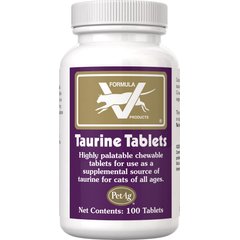
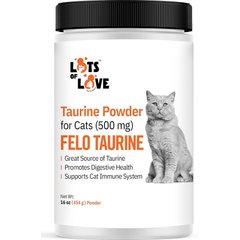
Don’t give your cat a taurine supplement without first talking to your veterinarian. If your cat is healthy and eating a complete and balanced diet, they likely don’t need one.
How To Make Sure Your Cat Gets Enough Taurine
The easiest way to ensure that your cat is getting enough taurine (and other nutrients) is to feed them foods that are complete and balanced for their life stage:
- Look for an AAFCO nutritional adequacy statement on the cat food label
- Don’t feed dog food to your cat
- Only feed homemade foods that are prepared from recipes given to you by a board-certified veterinary nutritionist
Recommended Products
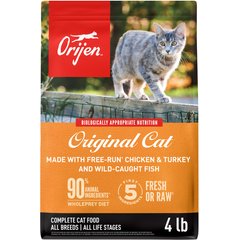
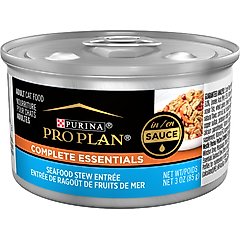
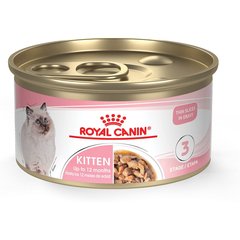
And if you think that your cat could benefit from some extra taurine, talk to your veterinarian first.
FAQs About Taurine for Cats
Can cats have too much taurine?
No. Taurine is very safe and hasn’t been shown to be toxic to cats. However, it’s still best to consult with your veterinarian before giving your cat any supplement, including taurine.
Do all cat foods contain taurine?
All AAFCO-compliant cat foods are formulated to contain enough taurine. Taurine deficiencies are most common in cats who eat dog food or improperly formulated diets.
What foods are naturally high in taurine for cats?
Animal tissues like seafood, meat, and internal organs are naturally rich in taurine. Pet food companies also may add extra taurine to their diets to compensate for any losses that occur during the manufacturing process.
Do senior cats need more taurine?
No, senior cats don’t have a higher requirement for taurine. However, older cats often have trouble digesting and absorbing nutrients, so it’s important to feed them high-quality cat foods that are designed especially for their life stage.