Can Cats Eat Pepperoni?


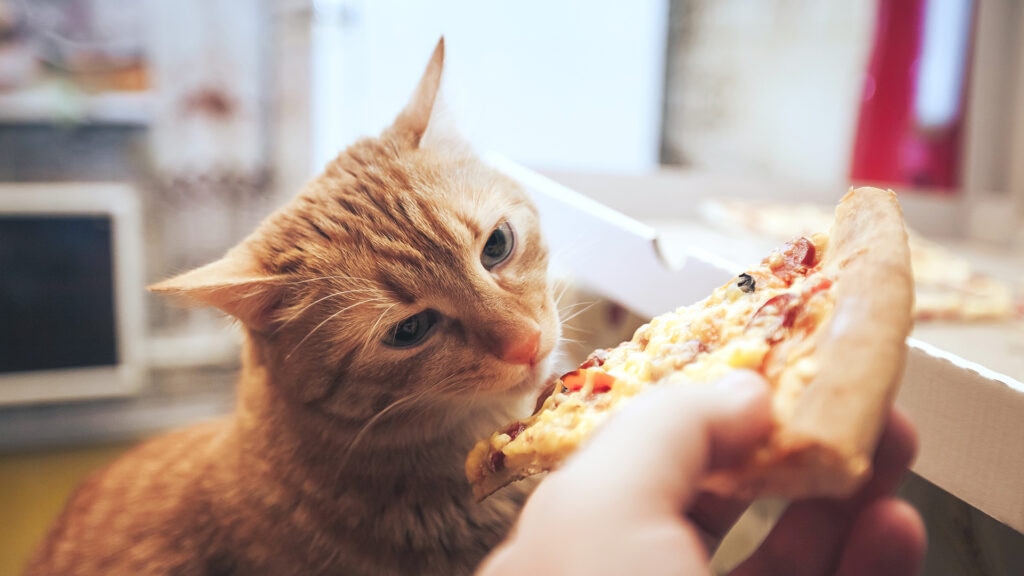
Photo by Valery Kudryavtsev/iStock/Getty Images Plus via Getty Images
You open the pizza box, and suddenly your cat is very interested in what’s for dinner. But before you slip them a piece, can cats eat pepperoni?
No, pepperoni isn’t a good treat for cats. While cats thrive on animal-based nutrition, pepperoni isn’t the kind of meat they should be eating.
Here’s why pepperoni is best left on your pizza and what can happen if your cat sneaks a bite.
If your cat ate pepperoni containing garlic or onion, call your veterinarian or Pet Poison Helpline at 855-764-7661 for advice.
Key Takeaways
- Pepperoni isn’t a safe choice for a treat.
- Some pepperoni contains garlic or onion, which are toxic to cats and can damage their red blood cells. The high salt and fat content can also cause problems for your kitty.
- If your cat sneaks a bite, check the ingredients, then call your veterinarian for guidance.
Can Cats Have Pepperoni?
Cats shouldn’t eat pepperoni in any form. While the meat itself might appeal to your little carnivore, it’s what goes into making pepperoni that causes concern.
Curing and seasoning add lots of salt, and some recipes contain garlic or onion, which are toxic to cats. Turkey pepperoni might sound like a healthier option, but it can still contain the same problematic ingredients.
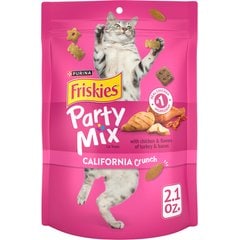
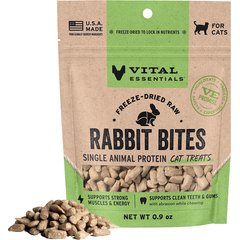
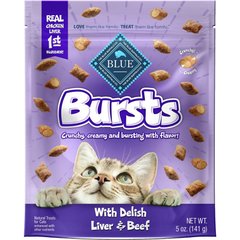
If your kitty is begging for a bite of something meaty, a small piece of plain cooked chicken is a better choice. Or skip the cooking altogether and treat your cat to something made just for them, like these meaty cat treats:
Recommended Products
Why Is Pepperoni Bad for Cats?
Pepperoni is a far cry from the plain chicken or turkey your cat can safely enjoy. Here’s why it’s best to skip pepperoni:
- Garlic and onion: These ingredients are commonly used to flavor pepperoni, and they’re toxic to cats. They can damage red blood cells, potentially leading to anemia. Garlic and onion powders are concentrated forms that can also be harmful.
- Fat: Pepperoni is often high in fat, and excessive dietary fat can lead to weight gain. Also, any new food can upset your cat’s stomach, potentially causing vomiting or
- Salt: Curing adds a lot of sodium. In very large amounts, salt can cause poisoning, with symptoms ranging from vomiting and weakness to tremors and seizures.
- The rest of the pizza: If your cat helped themselves to a pepperoni pizza, the toppings aren’t the only concern. The sauce or crust may contain garlic or onion, while cheese adds extra fat and dairy that some cats have trouble digesting.
My Cat Ate Pepperoni—What Do I Do?
If your cat managed to sneak some pepperoni, put the rest out of reach and check the ingredient list. If garlic or onion is listed, call your vet or the Pet Poison Helpline (855-764-7661) right away, even if your kitty seems perfectly fine.
Tell your vet how much pepperoni your cat ate, when they ate it, and whether any other ingredients were involved. Have your cat’s weight, medications, and medical history handy, too, so anyone new to your cat’s care team can better assess the risk.
While you’re getting veterinary guidance, watch for signs that something isn’t right, including:
- Vomiting
- Diarrhea
- Loss of appetite
- Unusual tiredness or lethargy
- Weakness or pale gums
- Changes in breathing
If your cat collapses, has trouble breathing, or becomes severely weak, seek emergency veterinary care.
How Do Vets Help After a Cat Eats Pepperoni?
What happens at the vet depends on how much pepperoni your cat ate, what ingredients were in it, and whether they’re showing any symptoms.
Depending on the situation, your vet may:
- Recommend monitoring at home: If your cat ate a small amount of pepperoni without toxic ingredients and seems fine, your vet may suggest keeping an eye on them at home.
- Perform a physical exam: If your cat isn’t feeling well, your vet can check for dehydration, abdominal discomfort, pale gums, and other signs that something’s wrong.
- Run blood tests: If garlic or onion was involved, bloodwork can help identify red blood cell damage or anemia even before obvious symptoms develop.
- Provide supportive care: Cats with more serious symptoms may need fluids, anti-nausea medications, or other care.
Most importantly, follow your vet’s instructions rather than trying to treat your cat at home. And never give your cat any medicine unless your vet recommends it.
How Can I Prevent My Cat From Eating Pepperoni?
Whether you’re making pizza, putting together a charcuterie board, or grabbing a quick snack, your cat might decide that pepperoni looks pretty tempting. And if you’ve got a curious kitty who likes to investigate your food, it only takes a moment for them to sneak a bite.
A few simple habits can help keep pepperoni out of their paws:
- Keep food tightly covered. Don’t leave pizza boxes, cheese boards, or appetizer platters unattended where your cat can reach them.
- Store pepperoni securely. Keep packages in a pantry or refrigerator. Don’t leave slices sitting on the counter while preparing meals.
- Secure the scraps. Toss leftover pepperoni, toppings, and food wrappers into a trash can with a secure lid.
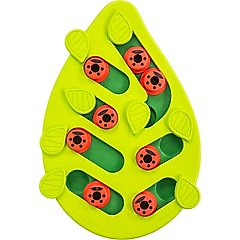
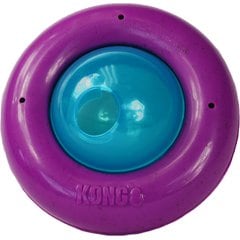
- Offer a distraction. If your cat tends to hover when food comes out, give them a cat-safe treat, puzzle feeder, or favorite toy to keep them occupied.
Recommended Products
FAQs About Pepperoni for Cats
Can cats eat turkey pepperoni?
No, turkey pepperoni isn’t a safer alternative for cats. While it may be lower in fat than traditional pepperoni, swapping pork or beef for turkey doesn’t get rid of the added salt or potentially harmful seasonings.
Can cats eat pepperoni pizza?
No. Beyond the pepperoni itself, pizza sauce may contain garlic or onion, and cheese adds extra fat and dairy that some cats have trouble digesting.
Is one piece of pepperoni poisonous to a cat?
Not necessarily, but that doesn’t mean that piece is automatically safe. Pepperoni recipes vary, and ingredients like garlic and onion can be toxic to cats even in small amounts. Your cat’s size and health also affect the risk.
Can kittens eat pepperoni?
No, pepperoni isn’t a good choice for kittens, either. Growing kittens need plenty of nutrients to support their development, and salty, seasoned meats don’t provide the right balance. Stick with a complete kitten food and age-appropriate treats instead.
Attributions
This article was created with assistance from AI tools. The content has been reviewed for accuracy and edited by a human.