Russian Tortoise Care Sheet


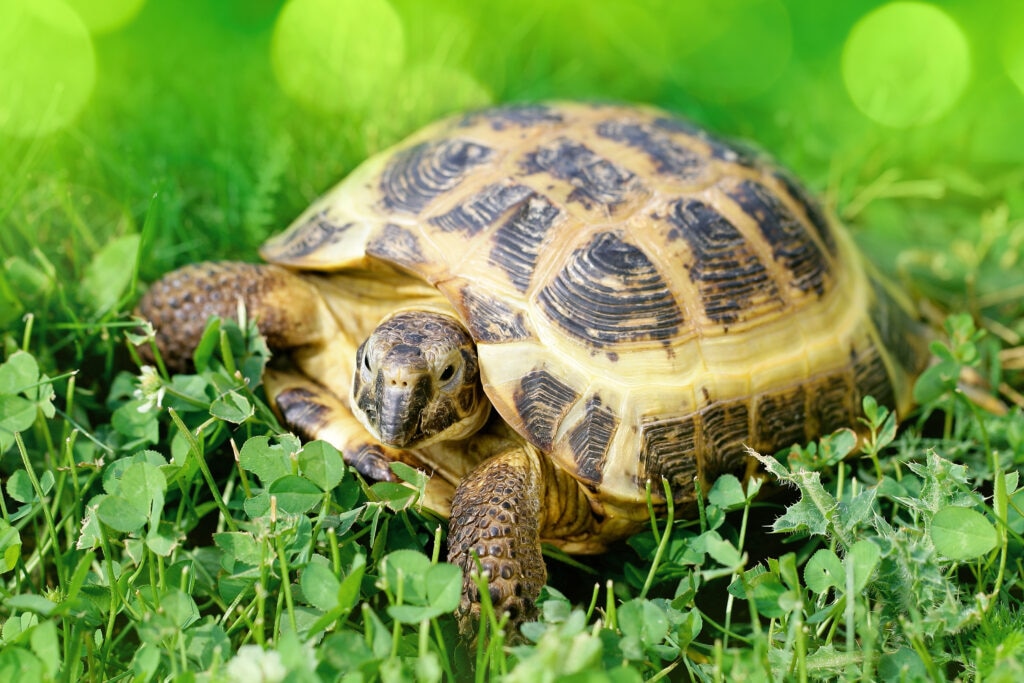
Photo by Viorika/iStock/Getty Images Plus
Russian tortoises are friendly reptiles that are great for both beginner and experienced tortoise owners. If you’re thinking about getting a Russian tortoise or you’ve recently gotten one, make sure you know how to care for them to give them a long, healthy life.
Russian Tortoise Overview
- Russian tortoises can live 50 years or more with proper care.
- These tortoises reach their adult size within 3–4 years. They can vary in size but generally reach 5–10 inches long and weight between 1–3 pounds as adults.
- Russian tortoises can have outdoor habitats if you live in a warm, dry climate.
Fun Facts About Russian Tortoises
- Russian tortoises are desert tortoises, native to dry climates.
- If these tortoises get too cold, they can burrow and start hibernating.
- These tortoises aren’t suitable for extremely humid environments.
Russian Tortoise Enclosure
You can keep Russian tortoises indoors or outdoors. If you’re keeping a single adult tortoise indoors, set your pet up in a wood, glass, or plastic enclosure that’s at least 36 inches long by 24 inches wide by 16 inches high.
Recommended Products
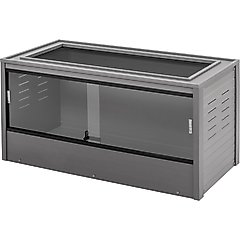

Glass can trap too much humidity for a Russian tortoise, so make sure if you use this type of enclosure that it’s well-ventilated.
Alternatively, you can keep your Russian tortoise outdoors as long as you live in a warm, dry climate. An outdoor enclosure for a single adult tortoise should be at least 48 inches long by 48 inches wide by 24 inches high or taller to ensure that your pet doesn’t climb out.
If you plan to keep multiple tortoises in the same enclosure, increase the habitat accordingly.
Set up an outdoor habitat in an area that provides some shade, and bury the enclosure at least 12 inches into the ground to ensure your tortoise doesn’t dig and escape. You can further secure an outdoor habitat with a sturdy mesh lid so predators can’t get in and your tortoise can’t get out.
Line the bottom of the habitat with a digestible substrate, since Russian tortoises tend to eat theirs.
Recommended Products
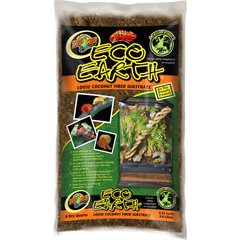
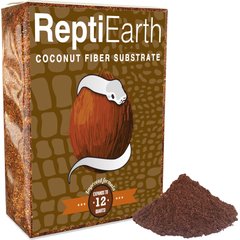
Make sure the substrate is very thick, as some tortoises will burrow into it if they are too cold.
You can use hay, or alfalfa pellets for indoor habitat substrate. For outdoor enclosures, look for edible grasses like Bermuda grass or fescue and plants like hibiscus and mulberry. These are all safe for Russian tortoises.
Avoid sand, gravel, and other coarse materials because they could cause gastrointestinal damage.
Have at least one hiding area per tortoise, like a cave or hideout box.
Recommended Product
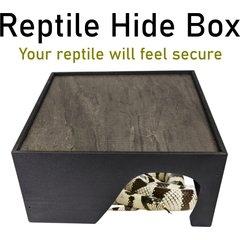
In outdoor habitats, you can also create a hiding area with desert sage or willow. Also, if you add flat rocks throughout the enclosure, this will help wear down your tortoise’s nails.
Heat and Light
If you’re keeping your Russian tortoise indoors, keep the warmer end of the habitat at 85–95 F, and the cooler end at 70–75 F. If Russian tortoises are too cold, they will burrow and hibernate.
Keep two thermometers in the enclosure—one on the warm side and one on the cooler side.
Recommended Product
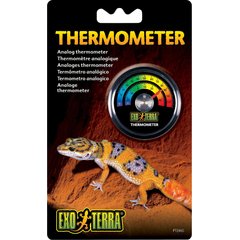
Add an incandescent light or ceramic heater so your pet gets heat during the day.
Recommended Products
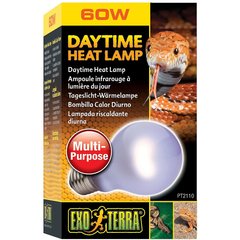
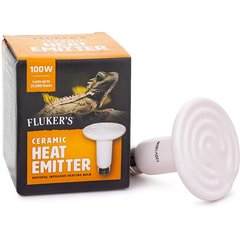
You can also add a nocturnal or infrared light to run overnight and provide heat.
Some ultraviolet (UV) light gives off both heat and light during the day. Russian tortoises need 10–12 hours of UV light exposure daily. Place UV lights 12–18 inches above your pet.
Even though Russian tortoises prefer dry climates, they still need some humidity. Spraying the cage with water or adding moist substrate can increase humidity levels.
Use a humidity gauge to monitor humidity daily, keeping it around 60% in the enclosure.
Recommended Product
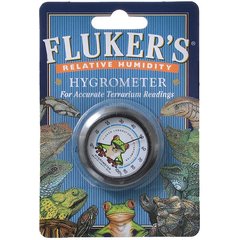
Outdoor enclosures should be placed where sunlight and humidity is provided naturally.
Cleaning and Maintenance
Spot-clean your tortoise’s enclosure daily by removing soiled bedding and uneaten food. Thoroughly clean indoor habitats at least once a week.
Clean outdoor habitats monthly. Outdoor setups have the advantage of being easily biodegraded by bugs and the elements, so you don’t need to clean them as often.
To clean your tortoise’s habitat, follow these steps:
- Move your Russian tortoise to a secure environment.
- Remove any old or soiled materials, including substrate, decor, and accessories.
- Thoroughly scrub the enclosure with a reptile habitat cleaner or a 3% bleach solution. Do the same for any decor and accessories that you want to keep (discard those that are worn out).
- Leave the bleach solution on the enclosure for at least 10 minutes to ensure it gets disinfected. If using a tortoise habitat cleaner, follow the manufacturer’s instructions.
- Thoroughly rinse the enclosure and accessories with water until the cleaner or bleach smell is gone.
- Ensure the enclosure dries completely before adding fresh substrate, new or cleaned decor and accessories, and your pet.
What Do Russian Tortoises Eat? Choosing the Best Russian Tortoise Diet
Russian tortoises eat a veggie-heavy diet, with dark leafy greens and grass hay making up 80–90% of their diet. You can feed them alfalfa or timothy hay.
Recommended Products


Greens that are great for tortoises include:
- Romaine lettuce
- Collard and mustard greens
- Endive
- Dandelion
- Kale
You can also offer certain vegetables in limited quantities, such as carrots, celery, beans, pumpkin, or corn.
Fruits should be given very sparingly as treats, and should be chopped into bite-sized pieces. Examples include apples, oranges, peaches, and watermelon.
Sprinkle food with a pinch of powdered calcium supplement without vitamin D.
Recommended Product
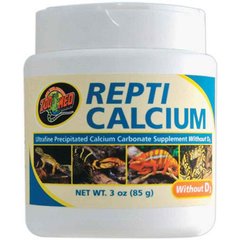
Young tortoises should get a calcium supplement without vitamin D every day, while adult tortoises should get the calcium supplement every other day.
You can also sprinkle food with a multivitamin supplement once a week.
Recommended Product
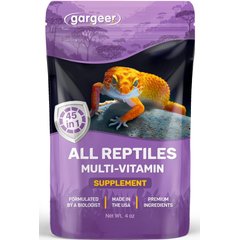
Young Russian tortoises can eat pelleted food, but this should only make up 25% of their total diet and your pet doesn’t need pelleted food more than two or three days a week.
Recommended Product
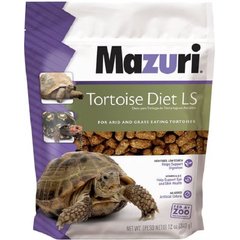
Be sure to have a large shallow water bowl in your pet’s enclosure, ensuring it’s large enough for your Russian tortoise to soak in.
Recommended Product
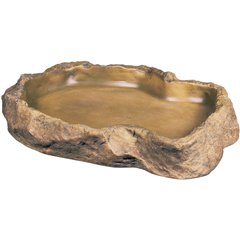
It’s normal for your pet to defecate and urinate in their water bowl, so thoroughly clean and disinfect it every day.
How To Hold a Russian Tortoise
Russian tortoises might enjoy handling when they are properly socialized.
Make sure to approach your tortoise calmly and quietly so you don’t scare them. Your pet should be able to see you; don’t try to lift them from behind. Hold the shell firmly on both sides and lift carefully.
Russian Tortoise Health
Take your Russian tortoise to the vet once a year for a checkup. Between visits, pay attention to how they look and behave so you can tell a healthy tortoise from a sick one.
Healthy Russian tortoises should have clear and clean eyes, ears, and nostrils. Their skin shouldn’t have any growths or ulcerations. They should be active and have a good appetite.
If you notice your Russian tortoise is refusing food or has swollen eyes, discharge around the vent or nose, or lumps or bumps, contact your vet right away. These could be signs of a bigger issue.
Russian Tortoise Supply Checklist
Before you bring your Russian tortoise home, make sure you have all the supplies at the ready, including:
- Appropriately sized habitat
- Timothy hay
- Commercial tortoise food
- Substrate
- Food and water dishes
- Hideaways
- Plants
- Heat light
- UVB lighting and fixture
- Multivitamin and calcium supplements
- Thermometers
- Humidity gauge
- Soaking bowl
FAQs About Russian Tortoises
How big do Russian tortoises get?
Fully grown Russian tortoises are 5–10 inches in length.
How long do Russian tortoises live?
With proper care, Russian tortoises can live 50 years or longer.
Are Russian tortoises good pets?
Russian tortoises are great pets for tortoise owners of all experience levels.
Does a Russian tortoise need a heat lamp?
For indoor tortoises, try adding an incandescent light or a ceramic heater so your tortoise can get heat during the day. Then switch to a nocturnal or infrared light at night. Outdoor tortoises in warm climates usually do not need a heat lamp.
Do Russian tortoises like to be held?
With proper socialization, Russian tortoises usually enjoy being handled.
Click here for a downloadable PDF version of this care sheet!
Attributions