Dwarf Hamster Care Sheet



Photo by Seattle Roll/iStock/Getty Images Plus
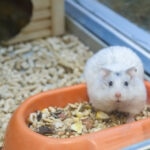
Dwarf hamsters are excellent pets for beginner and seasoned pet parents alike. There are more than 20 different hamster breeds, but only three domesticated dwarf species:
- Winter white Russian dwarf hamster
- Campbell’s dwarf hamster
- Roborovski dwarf hamster
If you’re thinking about getting a dwarf hamster or you’ve recently gotten one, here’s what you need to know to give them a long and healthy life.
Dwarf Hamster Overview
- Dwarf hamsters can live with other dwarf hamsters as long as they are grouped when they are less than 2 months old.
- Dwarf hamsters have a relatively short lifespan, living up to 3 years with good care.
- Dwarf hamsters grow to only 2–4 inches long, while full-sized hamsters can grow to about 6 inches.
Fun Facts About Dwarf Hamsters
- Hamsters are crepuscular (active at dawn and dusk), and sleep during the day and night.
- Winter white dwarf hamsters change their fur color to white in winter for camouflage.
- Dwarf hamsters are generally very active, running up to eight miles a day.
Dwarf Hamster Cages
In general, all dwarf hamsters should have a cage that’s at least 24″ L x 12″ W x 12″ H. If space and budget allow, choose the largest, most secure enclosure possible.
Since hamsters burrow, they need deep layers of bedding on the bottom of their cage.
Recommended Products
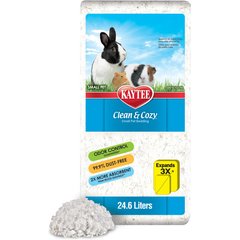
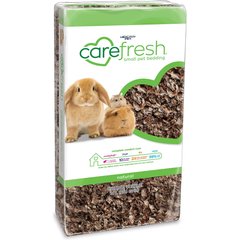
Bedding should be soft enough for your dwarf hamster to dig through, and it shouldn’t contain any chemicals that could be damaging to your pet. Paper or fiber-based bedding are safe options. You can also use unscented shredded paper towels, clean unscented toilet paper, or recycled newspaper.
Dwarf hamsters enjoy living in pairs or in small groups with other dwarf hamsters. If you’re going to house a pair or group, introduce them when they’re still young—no older than 2 months old. The younger you begin integrating them, the easier it will be for them to get along.
Dwarf hamsters need lots of enrichment toys to stay stimulated and active.
Recommended Products
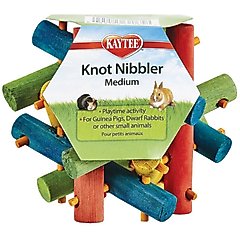
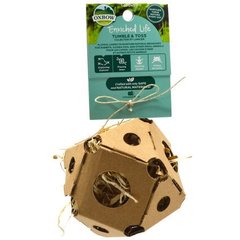
A hamster wheel, tunnels, hideaways, climbing structures, and chew toys are all good to have.
Recommended Products
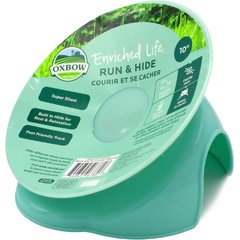
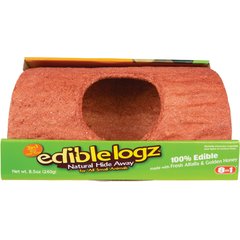
Include a variety of different materials and textures, and rotate toys to keep your pet engaged.
Some hamsters may enjoy taking sand baths to help rid their fur of oil and dirt. You can place sand in a small dish for hamsters to enjoy.
Recommended Product

Place your hamster’s habitat in a room that’s not drafty and not too bright, but also a place where your buddy will get lots of attention and become used to human interaction. Hamsters are noisy at night, so bedrooms aren’t recommended, but living rooms generally work well.
Cleaning and Maintenance
Spot-clean your dwarf hamster’s cage every day by removing any soiled bedding and uneaten food. Thoroughly clean the cage once a week by following these instructions:
- Move your pet to a separate secure enclosure.
- Take out the food bowls, water bottles or bowls, and toys and accessories.
- Throw away old bedding and broken or damaged toys and accessories.
- Disinfect the cage, toys, accessories, bottles, and bowls with a mild detergent.
- Thoroughly rinse everything and let it all dry completely.
- Replace bedding, food and water bowls, accessories, toys, and your pet.
Dwarf Hamster Food
Dwarf hamsters eat a variety of foods, including a mix of seeds, grains, and pellets, along with fresh fruits and vegetables. Watery fruits should be avoided; they are high in sugar and will cause diarrhea.
You can feed your pet a pelleted commercial hamster food and supplement it with apples, broccoli, cucumber, and carrots.
Recommended Products
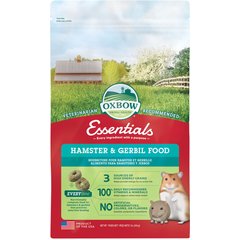

Avoid a seed-heavy diet, as that can increase their risk of obesity.
Handling
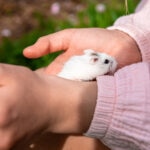
Most dwarf hamsters don’t enjoy being held and may bite. But if your pet learns to trust you, they may allow you to hold them. If you want to try holding your dwarf hamster, give them time to get acclimated to their enclosure first.
When you think your hamster is ready, wait until they are active, such as in the evening. Move slowly toward them and allow your pet to sniff your hands first. Then offer them a treat, which tells them you aren’tdangerous.
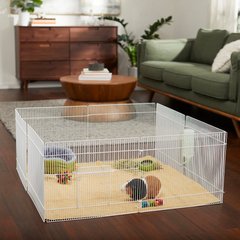
Try to handle your dwarf hamster a lot when they are very young to get them used to human touch. When they are older, set up a playpen outside their normal enclosure, as this is another way to build trust between you and your pet.
Recommended Product
Dwarf Hamster Health
Dwarf hamsters need plenty of exercise, so having a hamster wheel is a must for your pet. Make sure the wheel is solid (not wire mesh) and at least 8 inches wide. Also, ensure it doesn’t cause your hamster to arch their back into a U shape while running, which can cause spinal damage.
Healthy dwarf hamsters should have a clean and shiny coat, clean mouth, ears, and nose, and bright eyes. They should also have a good appetite and curious personality. The more time you spend with your dwarf hamster, the more you’ll learn about their normal behavior and appearance.
Take your hamster to a small-pet or exotic animal veterinarian every year for a checkup. If you notice anything out of the ordinary, such as a dip in activity or changes in health or appearance (e.g., overgrown teeth or nails, discharge, or digestive issues), contact your vet right away.
Changes in color, smell, or consistency of feces are also a sign that the hamster may need medical attention.
Dwarf Hamster Supply Checklist
Before you bring your dwarf hamster home, make sure you have everything to make them comfortable and keep them healthy, including:
- Appropriately sized habitat
- High-quality hamster food
- Treats
- Bedding
- Nesting fluff
- Food bowl and water bottle or bowl
- Exercise wheel
- Hideaways
- Toys
- Wood chews
- Dust and dust bath dish
FAQs About Dwarf Hamsters
What is a dwarf hamster’s life expectancy?
Dwarf hamsters usually live about 2–3 years with proper care.
Do dwarf hamsters like to be held?
Most hamsters don’t like being held, but if your dwarf hamster learns to trust you, they may allow you to handle them.
Are dwarf hamsters high-maintenance?
Dwarf hamsters have easy daily care, making them a great beginner pet.
Do dwarf hamsters need a sand bath?
Hamsters clean themselves and don’t need to be washed with soap and water. Some dwarf hamsters enjoy sand baths to help remove extra oil and dirt from their fur.
Click here for a printable PDF version of this care sheet!
Attributions