Why Is My Cat Sneezing a Lot?

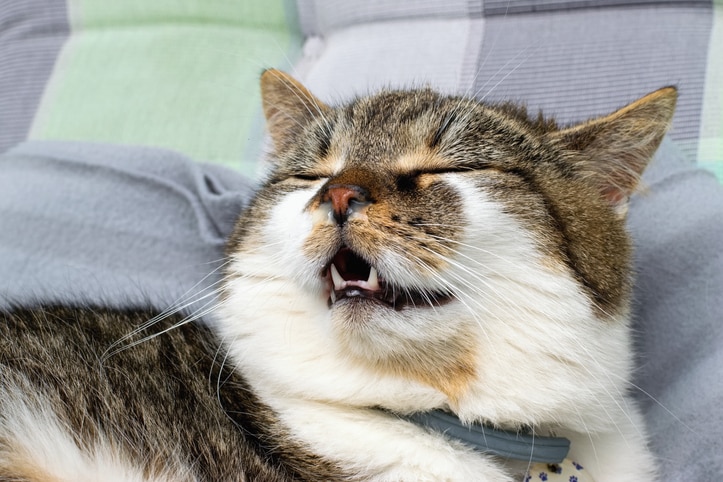
Photo by Tunatura/iStock/Getty Images Plus
If you hear your cat sneezing, it’s likely they might be dealing with an allergy or a cold virus.
Most cat sneezing isn’t serious, but here’s what causes it, when to see the vet, and how to treat it.
Key Takeaways
- Occasional sneezing in cats is usually harmless, but frequent or persistent sneezing should be checked by a veterinarian.
- Common causes of cat sneezing include allergies, infections, and irritants.
- Dental disease, nasal polyps, or cancer may also cause sneezing in cats.
- Treatment and recovery depend on the cause of your cat’s sneezing, but may include supportive care at home, medications, or surgery.
Why Is My Cat Sneezing a Lot?
Cats sneeze when there’s something causing irritation or inflammation in their nasal passages or the airway behind their nose and mouth.
Sneezing is an involuntary reflex, and the release of air through the nose and mouth is an attempt to clear any irritants. It may be a quiet puff of air out of the nose and mouth, or it can be a series of violent sneezes.
When they sneeze, cats:
- Will usually close their eyes
- May wrinkle their nose (before or during a sneeze)
- Will usually open their mouth
- May shake their head rapidly, as if trying to shake an irritant loose
The occasional sneeze isn’t usually concerning. However, if your cat’s sneezing is new and persistent, increasing in frequency, or accompanied by other signs, call your veterinarian.
Some noises—such as coughing, reverse sneezing, hiccupping, and wheezing—are sometimes mistaken for sneezing. If you’re unsure if your cat is sneezing, take a video to share with your vet.
Causes of Cat Sneezing
While sneezing usually isn’t anything to worry about, persistent or frequent sneezing should be checked out by a professional.
Some common causes of cat sneezing include:
- Allergens or airborne irritants: Small particles like dust or pollen can irritate your cat’s nasal passages. You might also notice clear nasal discharge.
- Bacterial or viral infections: Bacterial and viral infections are usually accompanied by other signs, like nasal discharge and conjunctivitis. Common viral infections in cats include feline herpesvirus or calicivirus. Some bacteria, like Chlamydia felis, can cause respiratory infections, but it’s more common for a bacterial infection to occur secondary to a virus.
- Fungal infection: Rarely, a cat may contract a fungal infection, such as cryptococcosis. In addition to sneezing and nasal discharge, fungal infections can cause swelling over the bridge of the nose as well as weight loss, seizures, blindness, and poor appetite.
- Chronic rhinitis: This chronic inflammation of the nasal passages is usually due to longstanding or recurrent infection. Your cat may have frequent sneezing and nasal discharge, as well as noisy breathing.
- Nasal polyps: These inflammatory growths can develop in your cat’s ears and nose. Breathing may be noisy, and your cat may develop nasal discharge or an ear infection.
- Foreign object: Sneezing may occur if an object, such as a blade of grass, gets stuck in your cat’s nasal passages.
- Dental disease: Teeth roots are very close to the nasal passages and sinuses, so tooth root infections can cause irritation and inflammation. Severe dental disease can also lead to oronasal fistulas, where openings develop from the mouth to the nose.
- Cancer: Cancer is not a common cause of sneezing, but it should be ruled out by your veterinarian, especially in a senior cat who recently started to sneeze or in a cat who is positive for feline immunodeficiency virus (FIV) or feline leukemia virus (FeLV). Adenocarcinoma, nasal lymphoma, and squamous cell carcinoma are the most common cancers in the nasal region.
How Vets Diagnose Cat Sneezing
If your cat’s sneezing is new, persistent, more frequent, or accompanied by other symptoms like nasal discharge or reduced appetite, contact your veterinarian.
Your vet will want to know:
- Your cat’s medical history, including previous respiratory infections
- If the sneezing is gradual or sudden
- If your cat stays indoors or goes outside
- If your cat has been around other cats lately
- If there’s been any recent changes in your cat’s life (a new pet, a new baby, construction in the home)
- If your cat has been pawing at their face or squinting, or if they’ve had nasal discharge, bleeding from the nose, coughing, or loss of appetite
If your veterinarian notices nasopharyngeal polyps or thinks your cat has a simple upper respiratory infection, other diagnostics may not be necessary.
However, they may also recommend:
- Testing for FIV or FeLV
- Blood work and urinalysis
- X-rays of the skull
- Dental X-rays
- Respiratory disease panel (this usually involves swabbing the eyes, nose, or throat)
- Fungal testing
- CT and/or MRI scan of the head
- Cytology of any masses and nearby lymph nodes
- Biopsy of any masses
- Rhinoscopy, which is the use of a scope to examine the nasal passages
Treatment for a Sneezing Cat
Treatment for a sneezing cat depends on the underlying cause.
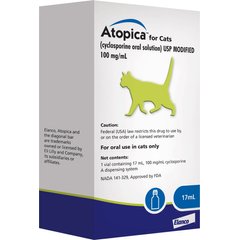
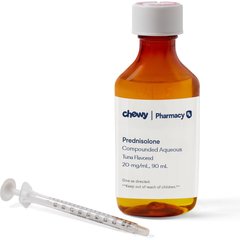
- Allergens or airborne irritants: Your vet will likely recommend avoiding the trigger, regular vacuuming in your home, and air purifiers or humidifiers. Treatment may also include antihistamines, immunosuppressant medications like cyclosporine or prednisolone, or immunotherapy.
Recommended Products
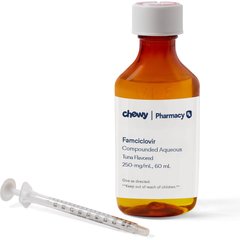
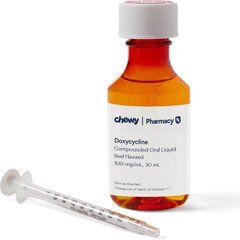
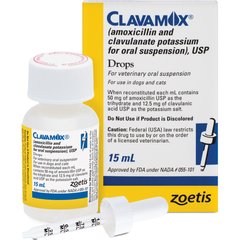
- Bacterial or viral infection: Most viral infections need rest and supportive care. For chronic or severe cases, your vet may prescribe an antiviral medication like famciclovir. If a bacterial infection is suspected, your cat may be started on an antibiotic like doxycycline or Clavamox. Treatment may last one to two weeks.
Recommended Products
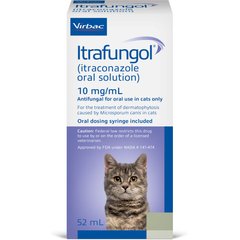
- Fungal infection: Your vet will likely recommend oral antifungals, such as itraconazole, for several months. If a fungal mass has formed, surgery may be required. Some cats may not achieve remission, so talk to your veterinarian about humane options if the infection affects your cat’s breathing.
Recommended Product
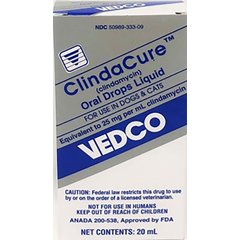
- Chronic rhinitis: Chronic rhinitis is likely to be a recurrent issue. A nasal flush with or without antibiotics may be recommended. In some cases, your vet may prescribe a long-term antibiotic like clindamycin or an oral steroid like prednisolone to help reduce inflammation.
Recommended Products
- Nasal polyps: Nasal polyps usually require surgery to remove them. Cats often take a short course of prednisolone after removal to prevent regrowth. In some cases, a more extensive surgery called a ventral bulla osteotomy is required.
- Foreign objects: The veterinarian may try to flush out foreign objects if they’re unable to reach them.
- Dental disease: An anesthetized dental cleaning will be necessary, possibly with the removal of infected teeth. An antibiotic like clindamycin may be prescribed.
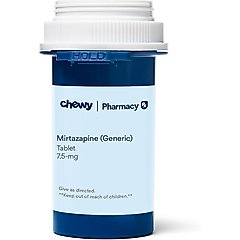
- Cancer: Surgery, radiation, and/or chemotherapy are likely. Otherwise, supportive care may include steroids, pain medications, antibiotics for secondary infections, and appetite stimulants like mirtazapine. Cancer in the nose is rarely cured, but cats who receive aggressive treatment may live for a year or more.
Recommended Product
Recovery for a Sneezing Cat
As a pet parent, you can help make your cat more comfortable at home.
Give Them a Cozy Spot To Rest
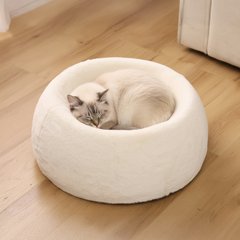
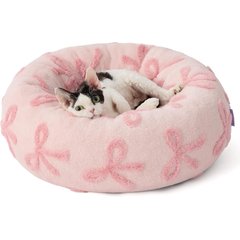
Try an orthopedic pet bed, like the PawsPik Perfect Comfort Orthopedic Faux Rabbit Fur Memory Foam Cat & Small Dog Bed or the Lesure Calming Cute Modern Plush Jacquard Shaggy Orthopedic Anti-Slip Donut Dog & Cat Bed with Removable Cover.
Recommended Products
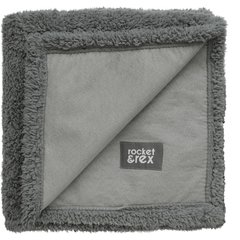
You can never go wrong with a plush blanket, like the Rocket & Rex Waterproof Cat & Dog Blanket.
Recommended Product
Remove Any Allergens in the Home
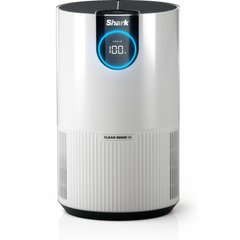
Use an air humidifier or purifier to keep the air clean, and keep windows closed to keep out pollen. Try the Shark HP102 Air Purifier with True HEPA.
Recommended Product
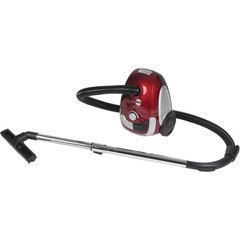
Vacuum regularly to control dust, and avoid scented products, which may irritate your cat’s airways. The Atrix Lil Red HEPA Canister Vacuum is good for easy cleanup.
Recommended Product
Adjust Their Diet
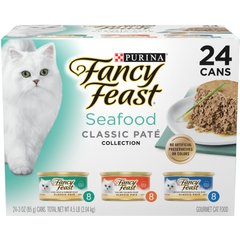
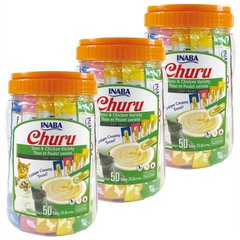
For cats with dental disease, a soft diet may be more comfortable. Try a wet food like Fancy Feast Classic Seafood Feast Variety Pack Canned Cat Food and soft treats like Inaba Churu Tuna & Chicken Puree Variety Pack Grain-Free Lickable Cat Treat.
Recommended Products
Always make sure your cat has easy access to clean, fresh water as well. Many cats will appreciate the convenience of a water fountain, like the Casfuy PWS-154 Quiet Stainless Steel Dog & Cat Water Fountain with Dual Flow Modes.
Recommended Product

FAQs About Cat Sneezing
My cat keeps sneezing but seems fine. Do I still need to bring them to the vet?
If your cat’s sneezing continues for more than a day, call your veterinarian to ask for advice.
Does dry air make cats sneeze?
Yes, dry air may contribute to a cat sneezing by drying out their airways and causing inflammation.
Do cat colds go away on their own?
Sometimes. Most cat colds are caused by viruses like feline herpesvirus. Symptoms usually resolve on their own over time, though your cat may need support if symptoms are severe. Viruses can recur in times of stress.
Why is my kitten sneezing?
The most common cause of sneezing in kittens is a viral upper respiratory infection like herpesvirus. Because of their young age and immature immune system, kittens who are sneezing should go to the vet.