Cat Acne: Causes and Solutions for Feline Acne

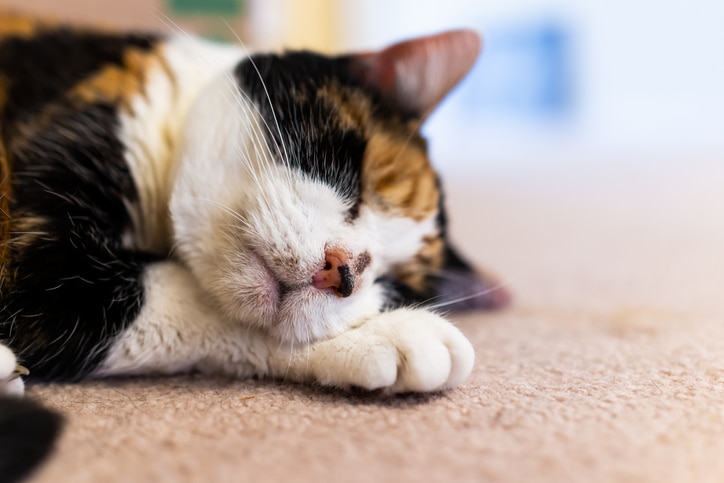
Photo by krblokhin/iStock/Getty Images Plus
Wondering why the skin on your cat’s chin and around their lips looks inflamed or infected?
Your cat might have cat acne, which occurs when skin pores become clogged with too much keratin, a protein in your cat’s fur and the outer layer of their skin. Too much keratin causes small bumps or largesores.
While the exact cause for cat acne is not well understood, it can occur in cats of any age.
Cat acne is not a veterinary emergency, but if you think your cat may have acne, call your veterinarian for an accurate diagnosis, as cat acne can resemble more serious conditions too.
Key Takeaways
- Cat acne is common and usually mild, affecting the chin and lip area when hair follicles become clogged with keratin and oils.
- Cat acne isn’t an emergency, but it shouldn’t be ignored, since untreated acne can worsen or resemble more serious conditions.
- Symptoms range from blackheads to painful sores, and severe cases may involve swelling, infection, or discharge.
- Veterinary diagnosis helps rule out serious causes like infections, autoimmune disease, or cancer.
- Good hygiene and bowl choices matter. Groom your cat regularly and switch from plastic to ceramic bowls to help reduce flare-ups.
What Is Cat Acne?
Feline acne is an inflammation that mainly affects a cat’s chin and the skin surrounding their mouth.
Cat acne occurs when a cat’s hair follicles become clogged, much like blackheads in people. Sometimes, pus can form in these clogged hair follicles due to underlying bacterial infections.
If pressure builds up inside the hair follicles, they can burst open, resulting in discharge and larger, open sores.
Feline acne is not considered a veterinary emergency, but that doesn’t mean it will resolve on its own.
Left untreated, cat acne can worsen and lead to thick, inflamed skin and deeper infections.
Plus, it can mimic more serious health concerns, such as cancer or autoimmune diseases, so it’s important to see a veterinarian to get an accurate diagnosis.
Signs of Cat Acne
Cats with acne may have these symptoms on their chin and the area surrounding their lips:
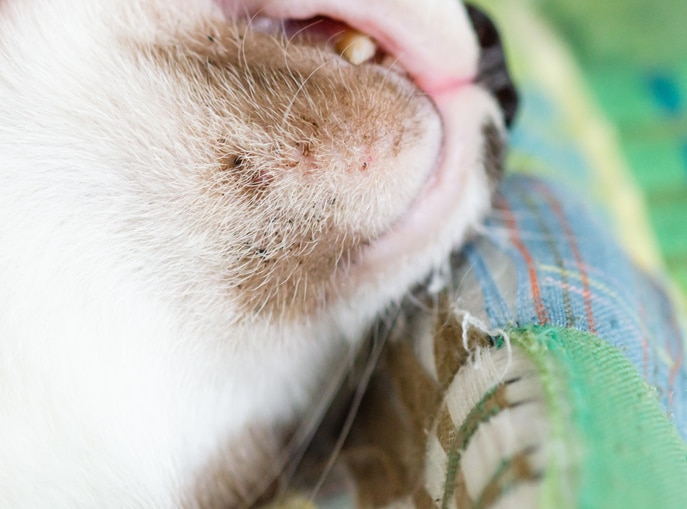
Photo by tonphai/iStock/Getty Images Plus
Causes of Cat Acne
Since cat acne causes clogged pores, it may be related to overproduction of keratin or sebum, a naturally oily substance on the skin. But the definitive cause is unknown.
It’s thought there may be an environmental component, too, such as increased sensitivity to something in the home, such as allergens or plastic bowls, which can harbor more bacteria than ceramic bowls.
Underlying autoimmune disorders (such as pemphigus foliaceus) and exposure to bacteria, viruses, or parasites can also increase the risk of cats developing acne.
How Vets Diagnose Cat Acne
If you notice symptoms of acne on your cat, call your veterinarian for a checkup. Often, a diagnosis can be made after a physical exam.
However, sometimes your vet might want to rule out other issues too. Here are some tests they might perform before giving your cat a diagnosis:
Skin scraping: This test collects skin cells that can be viewed under a microscope to rule out mites.
Cytology: Skin cells or discharge from the sores can be viewed under a microscope to look for infection or inflammation as well as certain types of cancer.
Fungal culture: If ringworm is suspected, a swab is gently rubbed on the affected area and sent to a laboratory for diagnosis.
Skin biopsy: In severe cases or in cases that aren’t resolving with treatment, a cat may be sedated so that a small sample of skin can be removed and sent to a pathologist. This is helpful if your vet wants to rule out an autoimmune disorder or cancer.
Treatment of Cat Acne
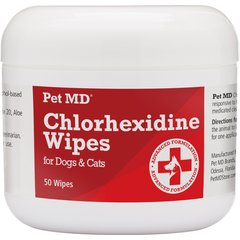
For mild cases of cat acne without infection, a chlorhexidine scrub or wipe, like Pet MD Chlorhexidine Antiseptic Wipes for Dogs & Cats, can gently cleanse the affected area and may be enough to resolve the acne.
Recommended Product
For cats with secondary bacterial or fungal infections, cleansing followed by topical or oral medications is necessary.
Medications may include:
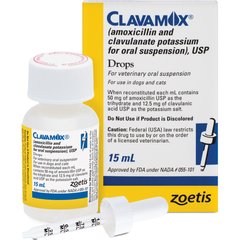
- Antibiotics, such as Clavamox
Recommended Product
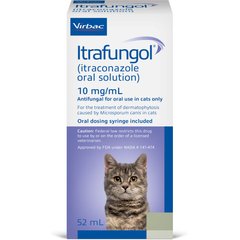
- Antifungals, such as Itrafungol (itraconazole) Oral Solution for Cats
Recommended Product
- Anti-inflammatories, such as Prednisolone Compounded Tuna Oral Oil Suspension
In severe cases, cats may need to be sedated so that large abscesses can be lanced and drained of pus.
Recovery and Management of Cat Acne
Generally, mild cases of cat acne will resolve over one to two weeks with appropriate treatment.
Severe cases of cat acne may not resolve for a couple of months.
However, cat acne is usually a recurring condition. Even if an episode resolves with treatment, your cat will likely experience another episode in the future.
That’s because the underlying causes, such as environmental triggers or autoimmune issues, must be very carefully managed. Sometimes, multiple factors contribute to a breakout, which can also contribute to recurrences.
Prevention of Cat Acne
Pet parents can take steps to reduce the risk of cat acne and prevent future outbreaks—or at least reduce the severity of them.
In general, it all comes down to grooming, cleaning, and routine veterinary care:
- Regularly groom your cat’s fur to keep it free of dirt and debris using a brush, like the Safari Complete Cat Brush, and facial wipes, like Pet Parents Pet WiPees All Purpose Cat Wipes.
Recommended Products


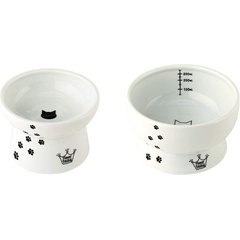
- Frequently clean your cat’s food and water bowls, and avoid plastic bowls, which are more likely to harbor bacteria. Try the Frisco Cat Face Non-skid Ceramic Bowl Bundle or the Necoichi Ceramic Elevated Cat Food & Water Bowl Set.
Recommended Products

- Manage any underlying conditions, such as allergies or autoimmune diseases, and keep your cat up to date on routine visits too.
FAQs About Cat Acne
Is cat chin acne common?
Yes. Feline acne is common and can affect any cat.
Is there a cure for feline acne?
No. There is no cure for feline acne. It’s considered a chronic, recurring condition. However, it is manageable with treatment, and your vet can help you control flare-ups.
Do cats get pimples?
Yes. Cats can get pimples when their skin pores become clogged with keratin or sebum.
What happens if cat acne is left untreated?
If left untreated, cat acne can worsen and lead to thickened skin and crusting, which can cause discomfort and increase your cat’s risk of serious infection.