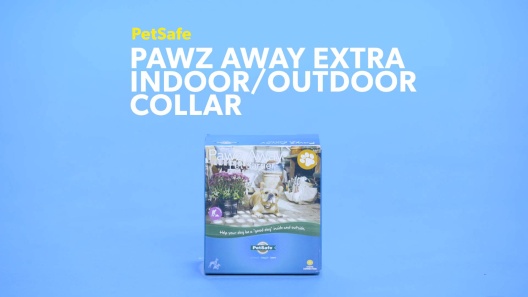
PetSafe Pawz Away Extra Indoor/Outdoor Collar, Black
About This Item
At a Glance
 Nylon
Nylon Waterproof
 All Lifestages
Details
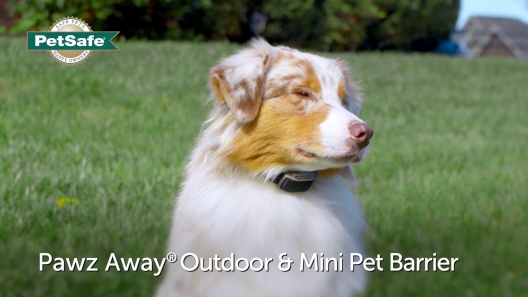
- For use with all Pawz Away systems
- Lightweight collar is comfortable for cats and dogs 5 lbs and up with neck sizes 6"- 28"
- Safe for indoor or outdoor use
- Uses progressive static correction to adjust to pet's sensitivity
- Collar also comes with (2) 3-Volt Lithium Batteries, Operating and Training Guide and Test Light Tool
Instructions
FAQ
Warranty Information
About PetSafe

Keeping Pets Happy & Safe Since 1998
PetSafe has helped millions of pet parents care for their pets through every stage and season of life.
US-Based Customer Care
The PetSafe team of customer care experts is available 5 days a week via live chat, email or phone.
Healthy Pets, Happy People
PetSafe is dedicated to helping pet parents keep their furry family members healthy, safe and happy. From irresistible toys to life-protecting pet fences, their innovative products are designed to help bring pet families closer, for a lifetime of love.
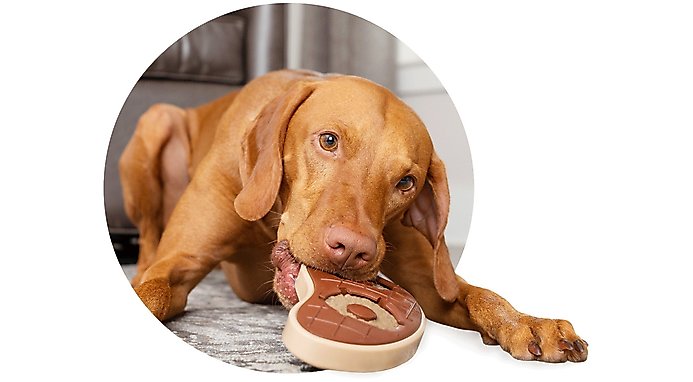
Pick of the Litter
What sets PetSafe apart is a team of pet experts who come to work every day with one goal: making the world a happier place for pets and their people. They work with professional trainers, veterinarians and pet behaviorists to keep up on the latest research and insights and use that in developing their products. They rigorously test every product for safety, quality and efficacy, too – because your pet deserves the best!
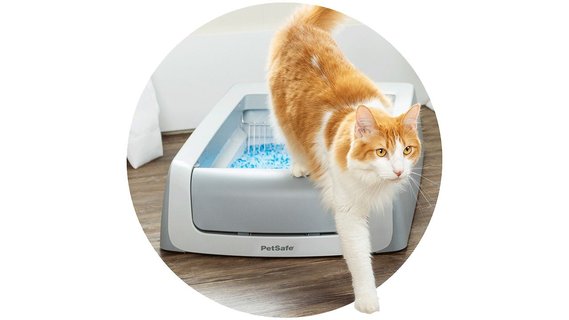
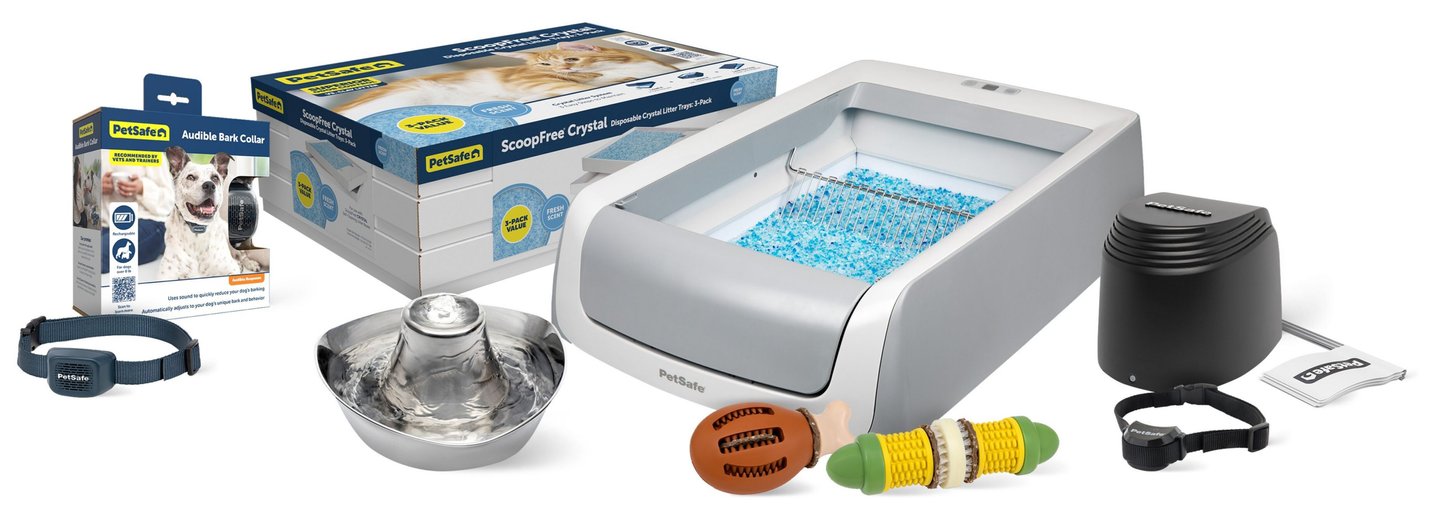
Skip the Scoop
Give your cat the gift of a clean, fresh litter box without all the hassle of scooping.
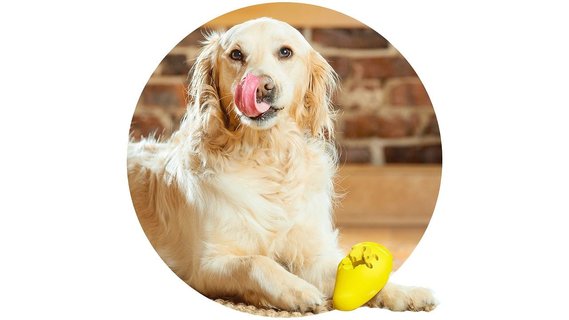
Toys, Toys, Toys
PetSafe toys are pet-tested and pet parent-approved to bring joy and happiness all around.
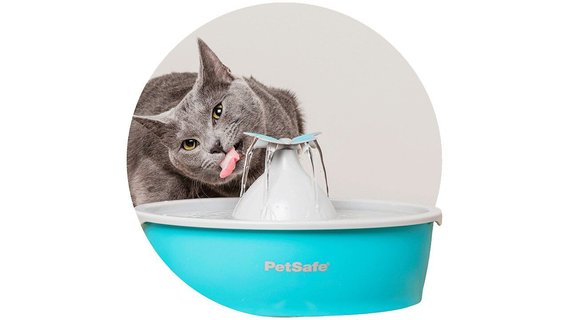
Keep Them Full & Hydrated
Encourage your pets to drink and deliver the perfect portions of food with PetSafe feeders, bowls and fountains.
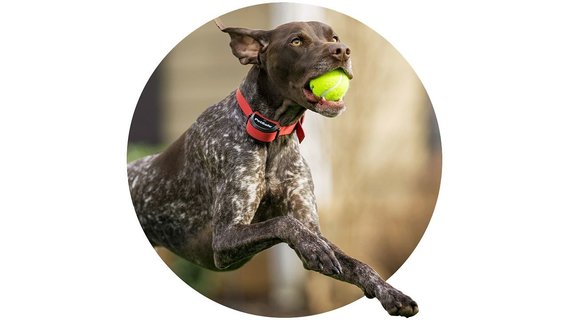
Create a Secure Yard
PetSafe products help you safely contain your pets without spending a fortune on new fence construction.
About PetSafe
PetSafe has been a global leader in pet care since 1998. They pride themselves on empowering pet parents through innovation, education and experiences. Their goal is to strengthen the bond between people and their pets, providing them with thoughtful products, expert advice and compassionate support. PetSafe’s US-based customer support team is always ready to help you get the most out of your life together with your pets!