How Long Is a Cat’s Attention Span?

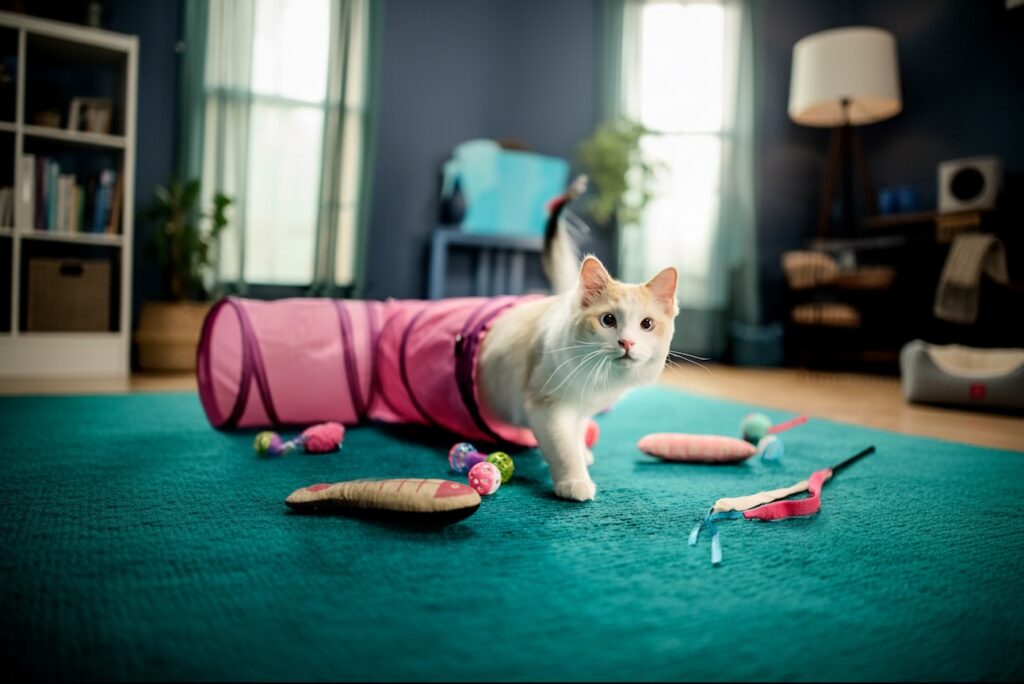
Photo by Chewy
Have you ever been interacting with your cat when they suddenly turn away like you popped out of existence? What gives?
Cats have a reputation for having short attention spans, and while details matter, experts and research tend to agree. Let’s look at how you can work with, rather than against, your cat’s attention span to promote a strong relationship.
Key Takeaways
- Cats generally focus best in short bursts, often just 1–5 minutes at a time.
- A cat’s natural hunting behavior explains their short attention span.
- Short, frequent training and play sessions are best for cats.
- Watch your cat’s body language to see when they’ve lost interest in play or training.
What Is an ‘Attention Span’?
The length of time an individual can stay focused on a particular task without getting distracted is commonly called their “attention span.” Many factors can come into play, including:
- Biological hardwiring
- Motivation
- Environment
- Age
- Physical and mental health
We’ve all experienced how our attention span can vary based on the situation. One day, we may be laser-focused on a project we enjoy, while working under a tight deadline in a quiet office. But a few days later, it feels like we can’t concentrate on what’s in front of us.
The same is true for cats.
Do Cats Have Short Attention Spans?
We must first acknowledge that attention spans will vary between individuals and under different circumstances. However, it’s still reasonable to wonder about the length of a cat’s attention span.
It’s useful to turn to their natural history. Cats are hunters, and in the wild, they typically attempt many hunts per day.
One study found that, on average, feral cats make seven successful kills a day but were unsuccessful 70% of the time. This means that they attempted to hunt around 23–24 times every day. This requires short bursts of intense attention, followed by rest, before they try again.
Other research looked at how long a typical hunt sequence lasts. When cats hunted small mammals like mice, they typically spent around 1.5 minutes stalking, just a few seconds killing (often followed by a short trip to a safer location), and then under 3 minutes consuming their prey—so around 5 minutes total for each successful hunt.
In a decidedly less natural setting, researchers looking at the use of clicker training in cats housed in a shelter limited each session to 5 minutes in length and had good success. Some recommendations are even shorter at 1–3 minutes.
In comparison, the ideal training session duration for dogs is often said to be around 5–10 minutes. So, in the cat versus dog debate, it looks like we can safely say that dogs are able to stay focused for a bit longer.
Tips for Keeping Your Cat’s Attention
Studies in people have shown that adults tend to be able to focus on a single task for 15–20 minutes. So, the take-home message here is simple: When you’re training or even just playing with your cat, it’s very likely that they are going to be “done” well before you are.
But there’s a lot you can do to maximize your cat’s attention.
1. Multiple, Short Sessions Are Best
A single training or play session should usually only last for 3–5 minutes. But you can (and should!) plan multiple sessions each day. Three 4-minute training periods will be much more effective than just one that lasts 12 minutes.
2. Reduce Distractions
A quiet room away from other pets, loud noises, and activities will help your cat’s ability to focus.
Also, cats are crepuscular, meaning they are naturally most active around dawn and dusk. Training in the middle of the day, particularly right before or after nap time, may not be best.
3. Monitor How Your Cat Is Responding
Stop as soon as your cat starts to get aggravated or lose interest, even if you’ve only been at it for a minute or two. Signs to look for include:
- Turning their head away
- Trying to leave
- A flicking tail
- Doing something unrelated to your goals, like grooming
4. Praise and Rewards Are Important
Always let your cat know when they’ve done something right.
- Offer them a small, tasty cat treat
Recommended Products



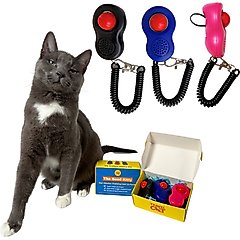
- Praise them verbally or use your clicker
Recommended Product
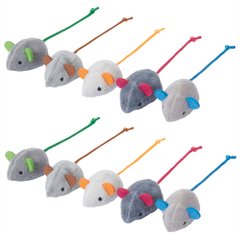
- Toss them a favorite cat toy
Recommended Products

Always end your play time or training session calmly and on a positive note. This will encourage your cat to look forward to the next time and maybe even help them focus for a bit longer.